
 English
 Español
Why Do Your Disposable Aprons Keep Ripping?

In industries where hygiene and protection are non-negotiable, the disposable apron is a staple. However, not all aprons are created equal. The difference between a product that fails mid-shift and one that provides reliable protection lies in the material science—specifically, the use of High-Performance Tear-Proof Polyethylene (PE).
1. Material Matters - The "Tear-Proof" Advantage
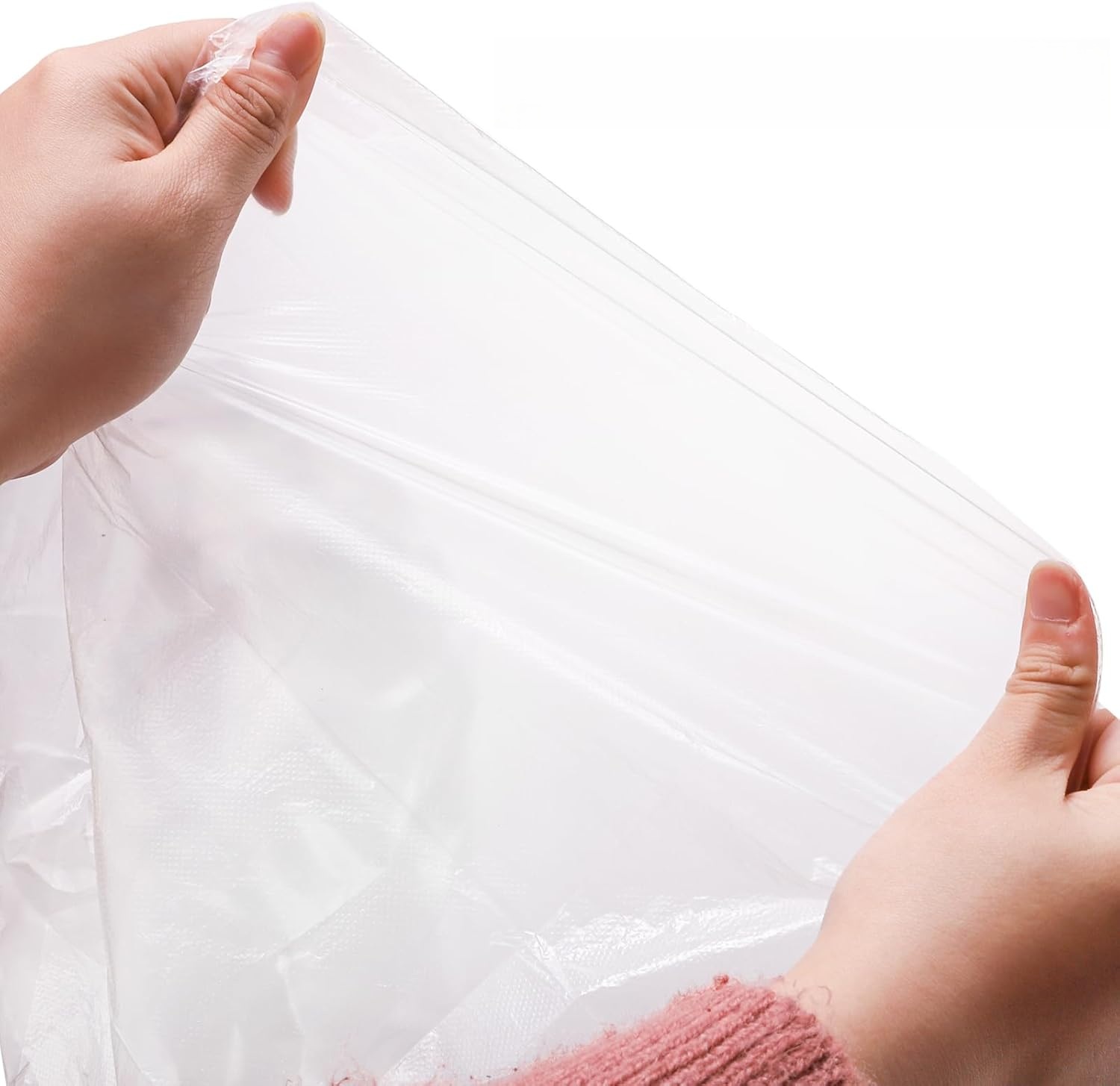
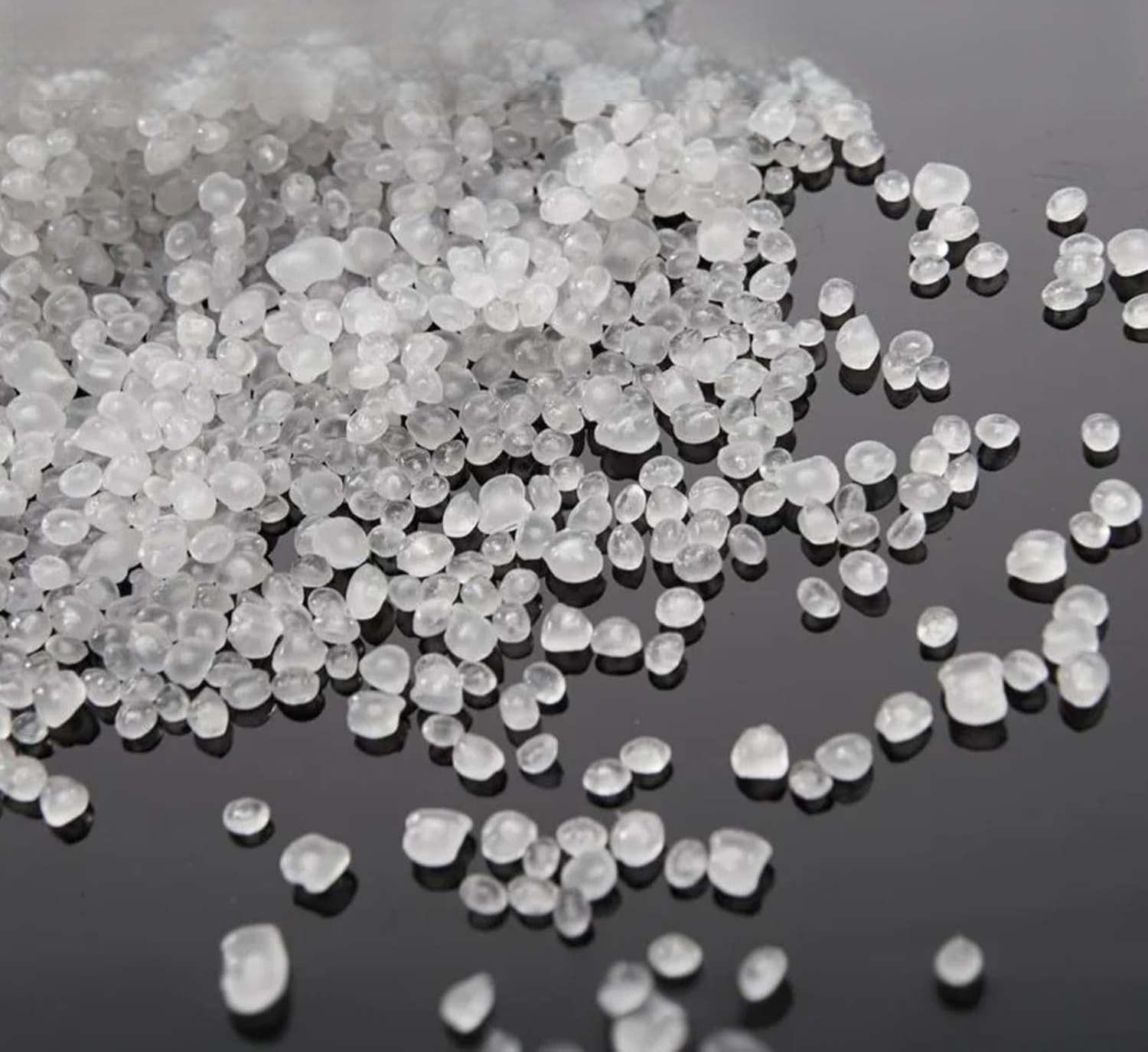
Most users associate disposable aprons with thin, crinkly plastic that snaps at the neck or waist under the slightest pressure. Your product changes that narrative.
- Tensile Strength & Elongation - Unlike standard films, tear-proof PE is engineered with a specific molecular structure that allows the material to stretch slightly rather than puncturing.
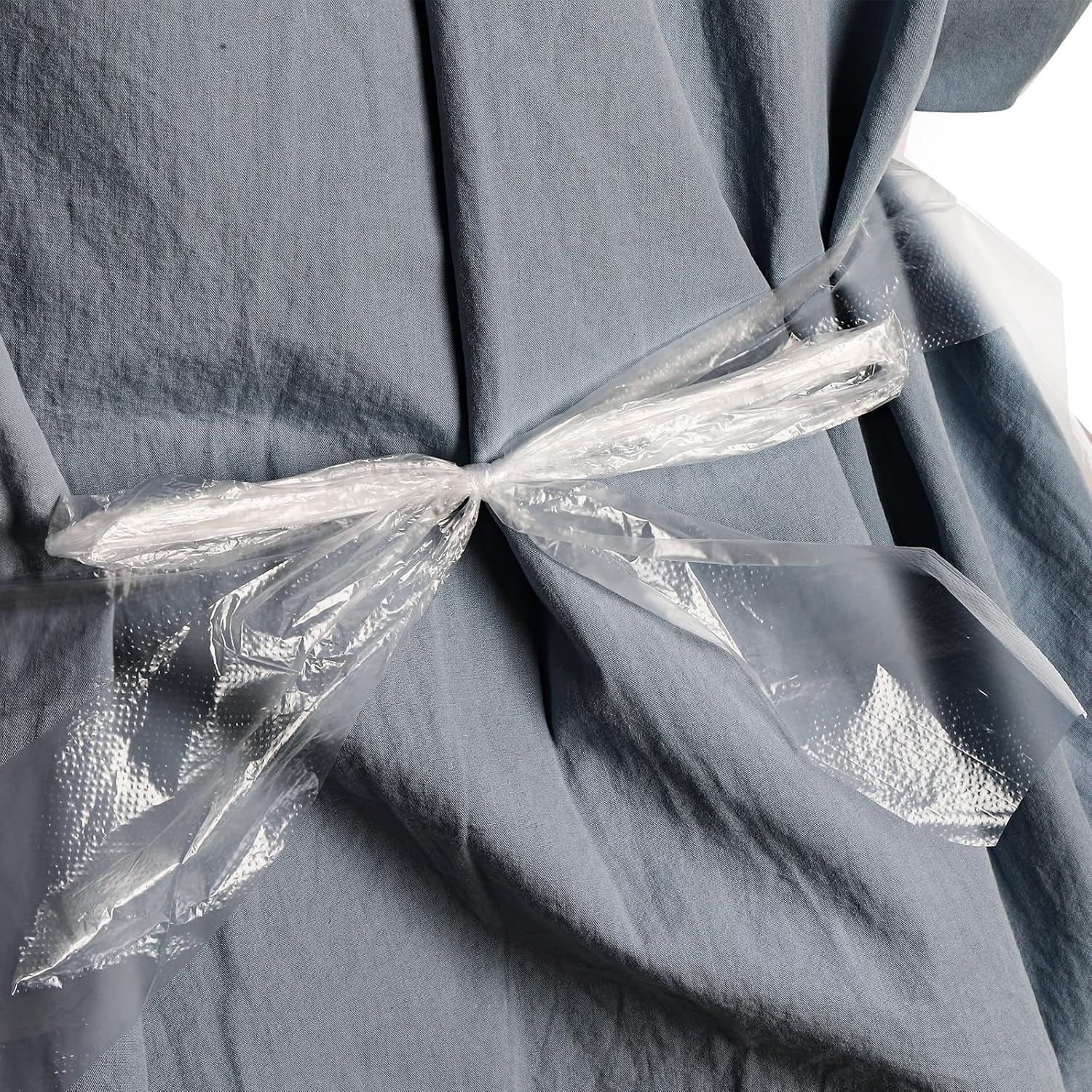
- The "Stress Point" Solution - Most failures occur at the tie-bands. A tear-proof construction ensures that even when pulled tight, the material maintains its structural integrity, keeping the user protected for the duration of their task.
- The Huayue Advantage - Our tear-proof PE material is the result of 25+ years of manufacturing excellence since 1998. Every apron is produced across our four high-tech bases in China and Cambodia, ensuring a "zero-defect" quality that standard plastic can’t match. With an annual production value of nearly 1 billion RMB, our large-scale precision engineering means you get consistent, professional-grade protection in every box. Today, this high-performance material is the trusted choice for safety and durability in over 50 countries worldwide.
2. Deep Dive - Why Professional Users Prioritize This Material
From food processing to clinical environments, users focus on three critical pain points -
A. Zero Contamination Risk
In food production, a torn apron isn't just a nuisance—it’s a safety hazard. If a piece of a cheap apron snaps off, it can end up in the production line. Tear-proof PE minimizes "material shedding," ensuring a clean, contaminant-free environment.
B. The "Liquid Barrier" Integrity
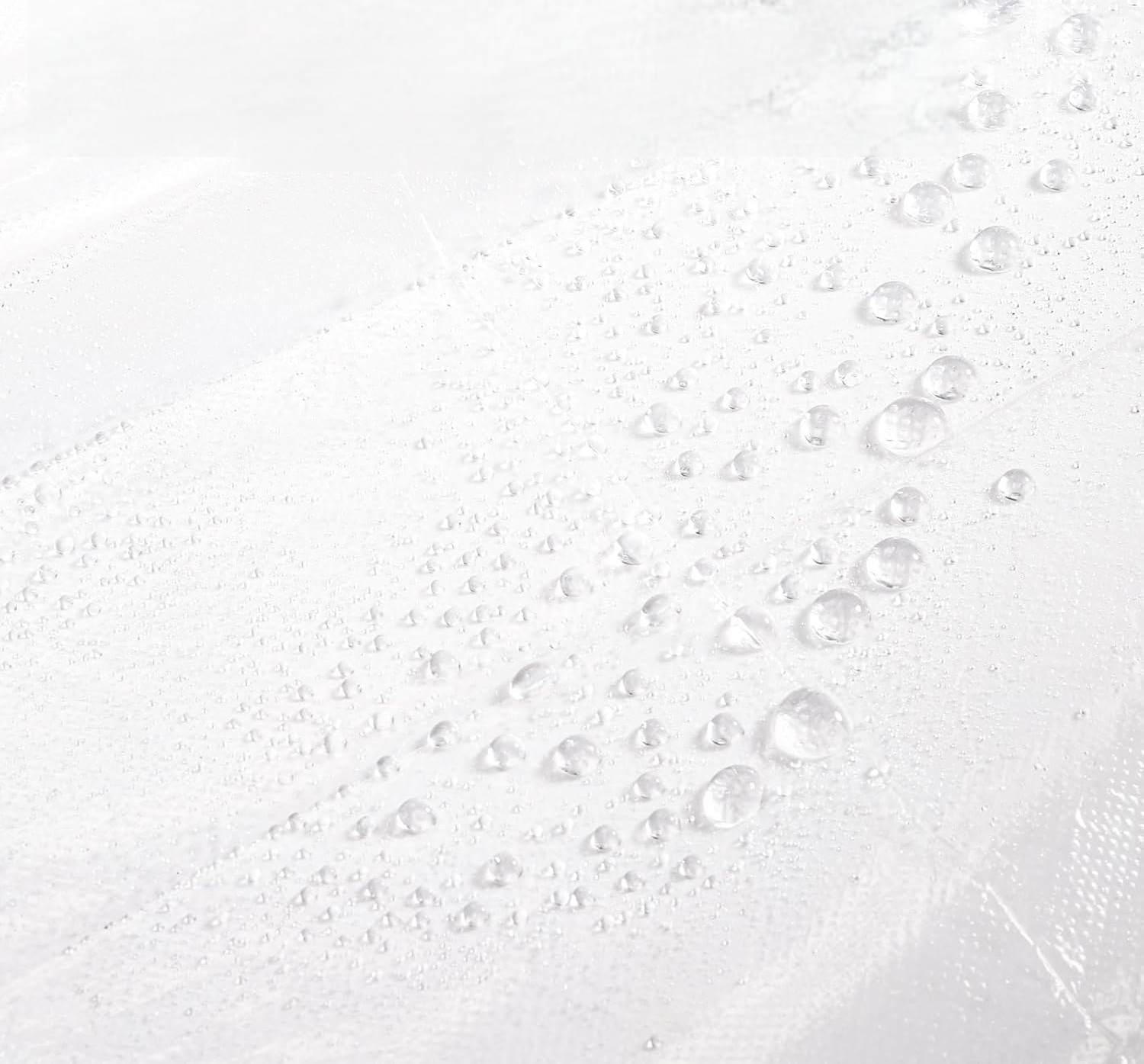
A waterproof apron is useless if it has a micro-tear. Polyethylene is naturally hydrophobic (water-repelling). By making it tear-proof, you ensure that the barrier remains intact against -
- Fats and oils in kitchens.
- Chemical splashes in laboratories.
- Biological fluids in healthcare settings.
C. Ergonomics and Comfort
Tear-proof doesn't have to mean heavy. Modern PE materials achieve high durability with a lower "gauge" (thickness), making the apron lighter and more breathable for workers who need to wear them for 8+ hours.
3. Application Spectrum - Where Performance Meets Necessity

|
Industry |
Critical Requirement |
Why Tear-Proof PE Wins |
|
Food Processing |
HACCP Compliance |
Prevents plastic fragments from entering the food chain. |
|
Medical & Nursing |
Infection Control |
Maintains a 100% fluid-proof barrier during high-movement tasks. |
|
Industrial Cleaning |
Chemical Resistance |
Stands up to scrubbing motions and harsh degreasers without breaking. |
|
Laboratory Research |
Precision & Purity |
Offers a lint-free, snag-resistant surface for delicate work. |
4. Sustainability in the Modern Era
While "disposable" is often scrutinized, Tear-Proof Polyethylene offers a hidden environmental benefit - Efficiency. When an apron doesn't break prematurely, staff use fewer units per shift. This reduces overall plastic waste and lowers the logistical carbon footprint. Furthermore, PE is a highly recyclable thermoplastic compared to complex multi-layer materials.
5. How to Identify a High-Quality PE Apron
If you are sourcing aprons, look for these three markers of quality -
- Consistent Opacity - Streaks or "marbling" in the color often indicate low-quality recycled fillers that weaken the bond.
- Reinforced Punch-Outs - The neck loop and waist ties should have clean, reinforced edges.
- The "Stretch Test" - High-quality tear-proof PE will whiten and stretch significantly before it finally snaps.
The Verdict
An apron is more than a uniform—it is a tool. By choosing tear-proof polyethylene, businesses invest in worker safety, operational continuity, and long-term cost savings.
Packing Solutions
Related Products

Tel: +86 18019228135
E-mail: alfredren@huayuepack.com
Address: No.228 ZhaiXing Rd, XinSheng Industrial zone, ZheLin Town, FengXian District, ShangHai, China.

Copyright © 2026 Huayue Group Plastic Packaging Manufacturers
