
 English
 Español
Slider Bags - The Ultimate Guide
What Are Slider Bags?
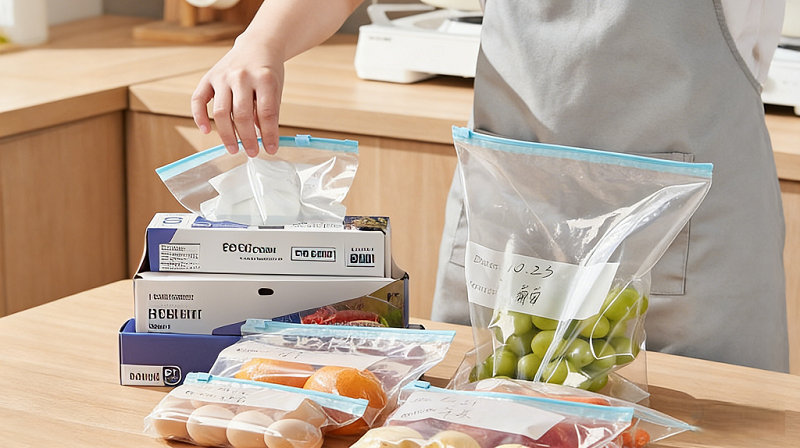
Slider bags are resealable plastic storage bags that feature a sliding zipper mechanism — a small plastic tab that glides along a zip-track to open and close the bag with a single motion. Unlike traditional press-and-seal zip-lock bags, slider bags are designed for quick, one-handed access, making them one of the most popular household storage solutions in the world.
Whether you're storing leftovers, organizing kids' snacks, packing for travel, or meal prepping for the week, slider bags offer unmatched convenience. This guide covers everything you need to know - types, sizes, top brands, best uses, eco-friendly options, and expert buying tips.
How Do Slider Bags Compare to Other Storage Bags?
With so many resealable bag options on the market, it helps to understand how different types stack up — and where each one truly excels. Slider bags, zip-lock bags, twist-tie bags, and clip seal bags all have their place depending on your specific storage needs.
|
Bag Type |
Ease of Use |
Seal Strength |
Best For |
|
Slider Bags |
Very Easy |
Strong |
Frequent access, everyday storage |
|
Zip-lock Bags |
Easy |
Very Strong |
One-time seal, travel |
|
Twist-tie Bags |
Moderate |
Moderate |
Bread, bulk dry goods |
|
Clip Seal Bags |
Moderate |
Strong |
Snacks, pantry items |
Slider Bags - Great for Everyday Convenience
Slider bags stand out for their ease of use — especially for children, seniors, or anyone with limited hand strength. The sliding tab provides a tactile, guided closure that many users find more intuitive and reliable than pressing a zip-lock strip together evenly. This makes them ideal for situations where you're opening and closing the bag frequently throughout the day.
Zip-lock Bags - A Trusted All-rounder
Traditional zip-lock bags are a household staple for a reason. When sealed correctly, they offer an excellent airtight closure that can be marginally more leak-resistant than slider bags under heavy pressure. They also tend to be more economical per unit, making them a practical choice for single-use applications, travel packing, or situations where cost is the primary concern.
Twist-tie Bags - Best for Loose or Bulky Contents
Twist-tie bags are commonly used for bread, baked goods, and bulk dry items. They're not airtight but are flexible enough to accommodate irregularly shaped or bulky items. Their simple closure mechanism also makes them very inexpensive, which is why they remain popular in bakery and bulk food contexts.
Clip Seal Bags - Solid for Pantry Organization
Clip seal bags use a fold-over clip rather than a zip or slider. They provide a reasonably strong seal for snacks and pantry staples and are often reusable. However, they can be less convenient when you're in a hurry, as the clip must be positioned carefully to seal properly.
In short, each bag type serves a purpose. Slider bags lead in accessibility and everyday usability; zip-lock bags excel in sealing strength and value; twist-tie and clip seal bags fill specific niches in bulk and pantry storage. Choosing the right bag depends on your use case — and for many households, having a mix of options covers all the bases.
Common Slider Bag Sizes in the U.S. Market
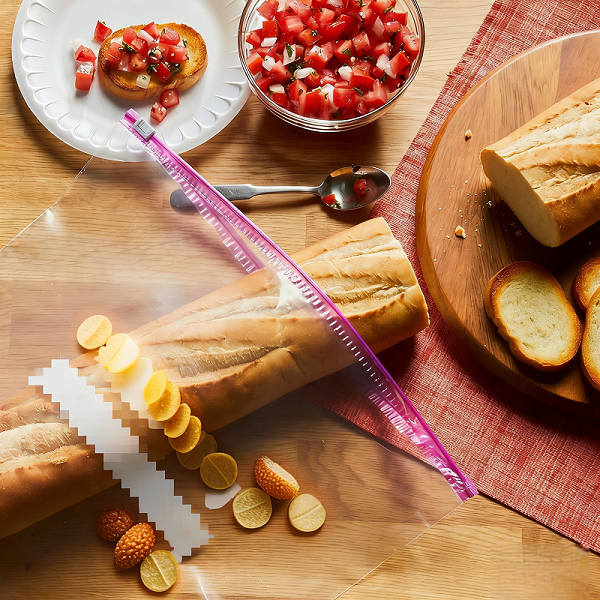
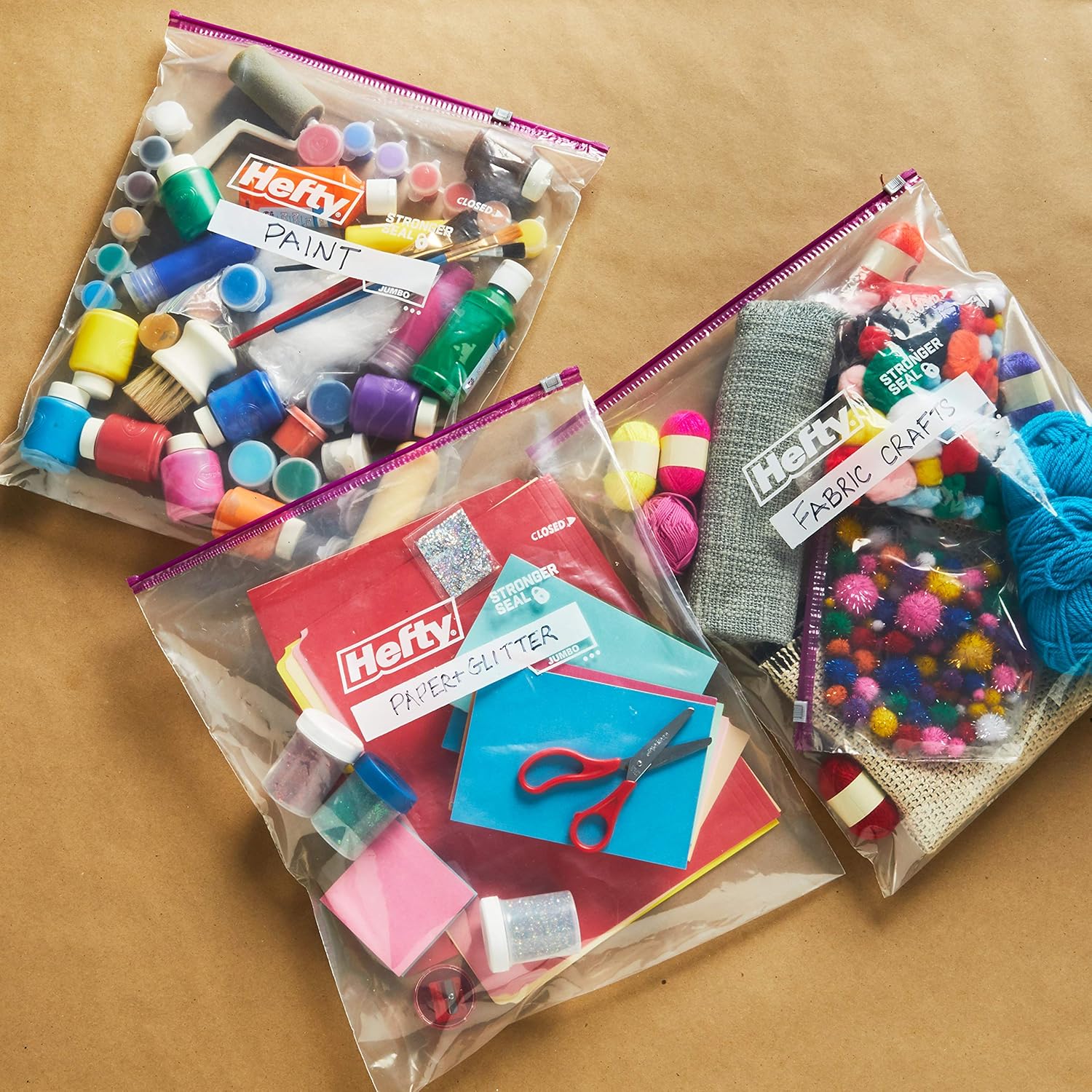
In the United States, slider bags come in a range of standardized sizes that have become widely adopted across retail brands. Here is a breakdown of the most common sizes American consumers use and what each one is typically suited for.
Snack Size (Approx. 6.444"X3.279")
The snack size is a compact, slim bag designed for small portions. Its narrow profile makes it ideal for portioning out bite-sized treats, nuts, or cut fruit, fitting neatly into lunchboxes, backpacks, and snack pouches. This is the go-to size for parents preparing kids’ snacks, or anyone who wants portion control on the go.
- Typical uses - Nuts, crackers, raisins, gummy snacks, cut fruit, small cookies, trail mix
- Capacity - 0.5 quart or less
- Who buys it - Parents of young children, health-conscious snackers, commuters
Sandwich Size (6.672" x 5.826")
The sandwich size is the most widely recognized slider bag format in American households, shaped to hold a standard sandwich flat without folding or squishing. Its squarer dimensions give it more versatility than the snack size, making it suitable for a broad range of everyday food storage tasks beyond just sandwiches.
- Typical uses - Sandwiches, wraps, sliced fruit, cookies, small lunch portions
- Capacity - Under 1 quart
- Who buys it - Parents packing school lunches, students, commuters, anyone preparing daily meals
Quart Size (Approx. 7.824"X6.653")
The quart size is one of the most versatile options in the slider bag lineup and a staple in American kitchens. It sits at a practical midpoint — large enough for meaningful portions of food, small enough to store neatly in the fridge or pantry. A key driver of its popularity is that the TSA approves quart-sized, clear resealable bags for carry-on liquids, making this size a travel essential.
- Typical uses - Meal prep portions, marinating meats, storing produce, cheese, leftovers, travel toiletries
- Capacity - 1 quart (~4 cups)
- Who buys it - Meal preppers, travelers, home cooks, busy families
Gallon Size (Approx. 9.927"X11.989")
Gallon slider bags are the largest standard size widely available in U.S. retail stores and are favored by meal preppers, bulk shoppers, and families who store larger quantities of food at once. They are roomy enough to hold a whole chicken, multiple portions of soup, an entire batch of marinated ribs, or a generous amount of frozen vegetables.
- Typical uses - Large meal prep batches, freezing meats, storing bulk leftovers, organizing non-food items like craft supplies or documents
- Capacity - 1 gallon (~16 cups)
- Who buys it - Meal preppers, families, bulk shoppers, home cooks
Freezer Bags (Quart & Gallon, Thicker Construction)
Freezer bags are not a separate shape category but rather a reinforced version of the quart and gallon sizes engineered specifically for freezer use. They feature noticeably thicker plastic walls — typically 2 to 3 mil compared to 1.5 mil for standard bags — which significantly reduces the risk of freezer burn and helps maintain the texture and flavor of frozen foods over longer periods.
- Typical uses - Freezing raw meats, soups, stews, baked goods, blanched vegetables, batch-cooked meals
- Key feature - Thicker walls (2–3 mil) for improved freeze protection
- Recommended storage time - Up to 12 months for most meats and cooked foods when properly sealed
- Who buys it - Meal preppers, bulk shoppers, anyone who freezes food regularly
Note - While standard slider bags are technically freezer-safe, using bags specifically labeled 'Freezer Bags' is strongly recommended for anything stored longer than a few weeks. Always remove as much air as possible before sealing to further reduce freezer burn.
Why Choose Huayue Slider Bags?

Huayue slider bags are engineered to meet the demands of everyday storage with consistency and reliability. Every bag that leaves our facility undergoes a rigorous quality control process before it reaches consumers.
Leak-Proof Testing — Our Quality Guarantee
Before any Huayue slider bag ships, it passes a standardized leak test - each bag is filled with half its volume in water and allowed to sit for a full 30 minutes. Only bags that show zero leakage pass inspection and are approved for sale. This process ensures that every bag you receive is structurally sound, properly sealed, and ready to protect your food.
This level of pre-shipment quality control is not universal in the industry. Many manufacturers rely on random sampling or visual inspection alone. At Huayue, every bag is tested — because one leaking bag is one too many.
Frequently Asked Questions About Slider Bags
Are slider bags better than zip-lock bags?
Slider bags are easier to open and close, especially for children and people with arthritis. Zip-lock bags tend to have a slightly stronger seal when pressed correctly. The best choice depends on your use case.
Can slider bags go in the freezer?
Yes — most slider bags are freezer-safe, but for best results, use bags specifically labeled 'freezer bags.' These are thicker and better prevent freezer burn. Always remove excess air before sealing.
Are slider bags microwave-safe?
Some slider bags are microwave-safe when vented (leave the slider partially open). Check the product label. Never microwave bags not specifically rated for it, as heat can cause melting and chemical leaching.
How long can food be stored in slider bags?
Refrigerator - 3–7 days for most foods. Freezer - 1–6 months for most meats and cooked foods (freezer bags extend this to 12 months). Always label bags with the date and contents.
Final Verdict - Are Slider Bags Worth It?
Absolutely. Slider bags offer a level of convenience, versatility, and accessibility that makes them one of the most practical household items available. Whether you're a meal prepper, a parent packing school lunches, a traveler organizing your carry-on, or simply someone who wants to keep food fresh with minimal effort — slider bags deliver.
For the best all-around performance, Huayue Slider Bags remain the top recommendation.
Packing Solutions
Related Products

Tel: +86 18019228135
E-mail: alfredren@huayuepack.com
Address: No.228 ZhaiXing Rd, XinSheng Industrial zone, ZheLin Town, FengXian District, ShangHai, China.

Copyright © 2026 Huayue Group Plastic Packaging Manufacturers
