
 English
 Español
The Ultimate Guide to Snack Bags - Industry Applications & Packaging Needs by Channel
For B2B buyers, choosing the right snack bag is not just about material or price. The same snack product sold via Amazon, a gym chain, or a supermarket requires different bag specifications, because each channel creates different packaging, logistics, and sourcing requirements.
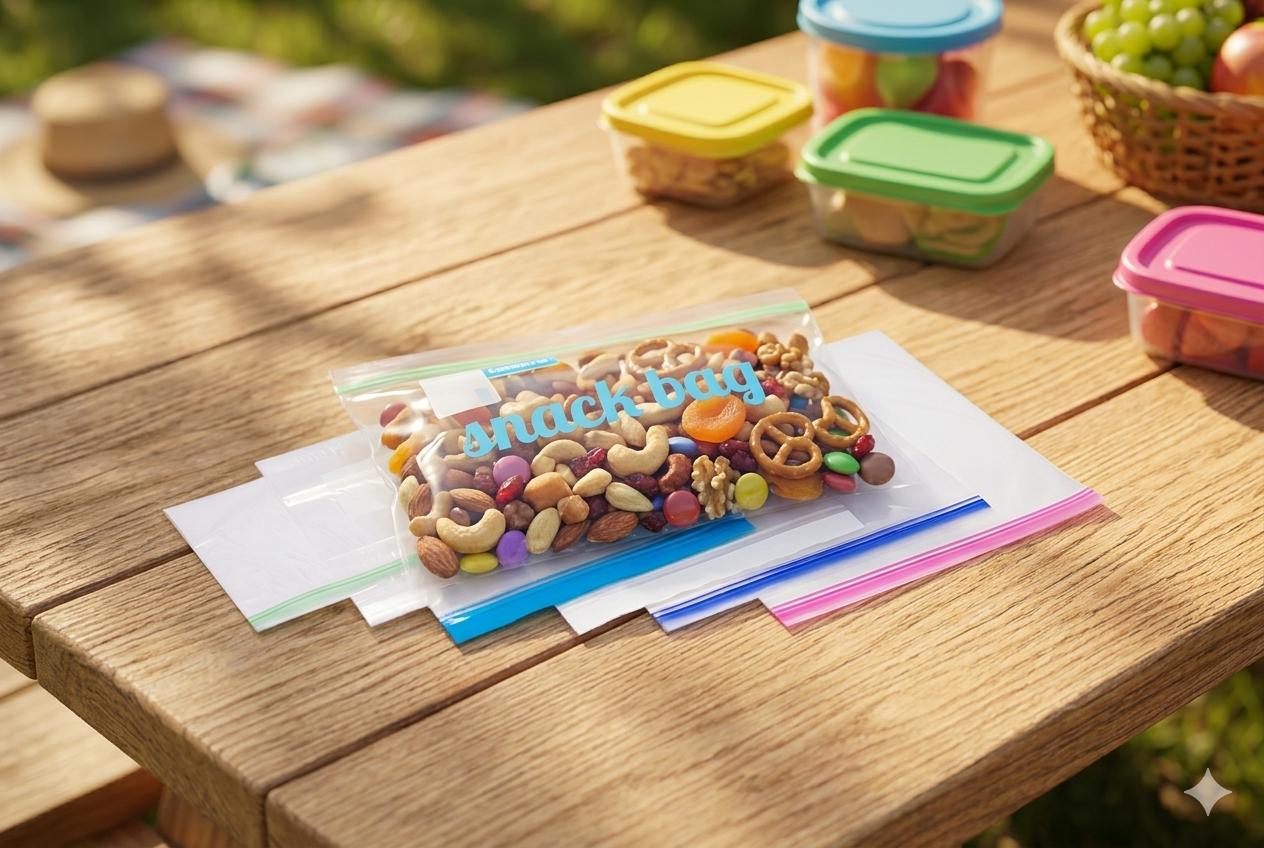
Retail Grocery & Supermarket — The Baseline
This is the most common format, so it's worth anchoring the numbers here -
- Format - stand-up pouches, flat-bottom pouches, or gusseted bags
- Film structure & thickness - typically a 3-layer laminate (PET/OPP + PE), total caliper ~90–120 microns
- Barrier performance - OTR < 5 cc/m²/day, WVTR < 2 g/m²/day — enough for a 6–18 month shelf life on dry snacks
- Bag size - width 130–200mm × height 180–280mm, for typical 100–200g portions
- Seal strength - ~2.5–3.5 N/15mm (standard heat-seal)
- Zipper - press-to-close or slider, rated for 200+ open/close cycles
- Printing - gravure, 6–8 colors, with hang hole or Euro slot for peg display
Color consistency matters here - for private label programs sourcing snack storage bags, even a slight batch-to-batch color shift will get pushed back by retail buyers.
E-Commerce & DTC Fulfillment— Built for Shipping, Not Shelves
The bag needs to survive a fulfillment center and a shipping box, not look good on a shelf. Compared to the retail baseline -
- Thickness increases - ~120–150 microns, often adding a nylon layer for puncture resistance
- Seal strength is higher - ≥4–5 N/15mm (vs. 2.5–3.5 N/15mm in retail) to handle shipping stress and box pressure
- Zipper durability rated higher - tested to 300+ open/close cycles for repeated post-delivery resealing
- Format - resealable flat pouches, often with reduced film gauge elsewhere to cut shipping weight
Buyers in this channel should specifically confirm zipper performance data across repeated cycles when sourcing from a resealable snack bags supplier.
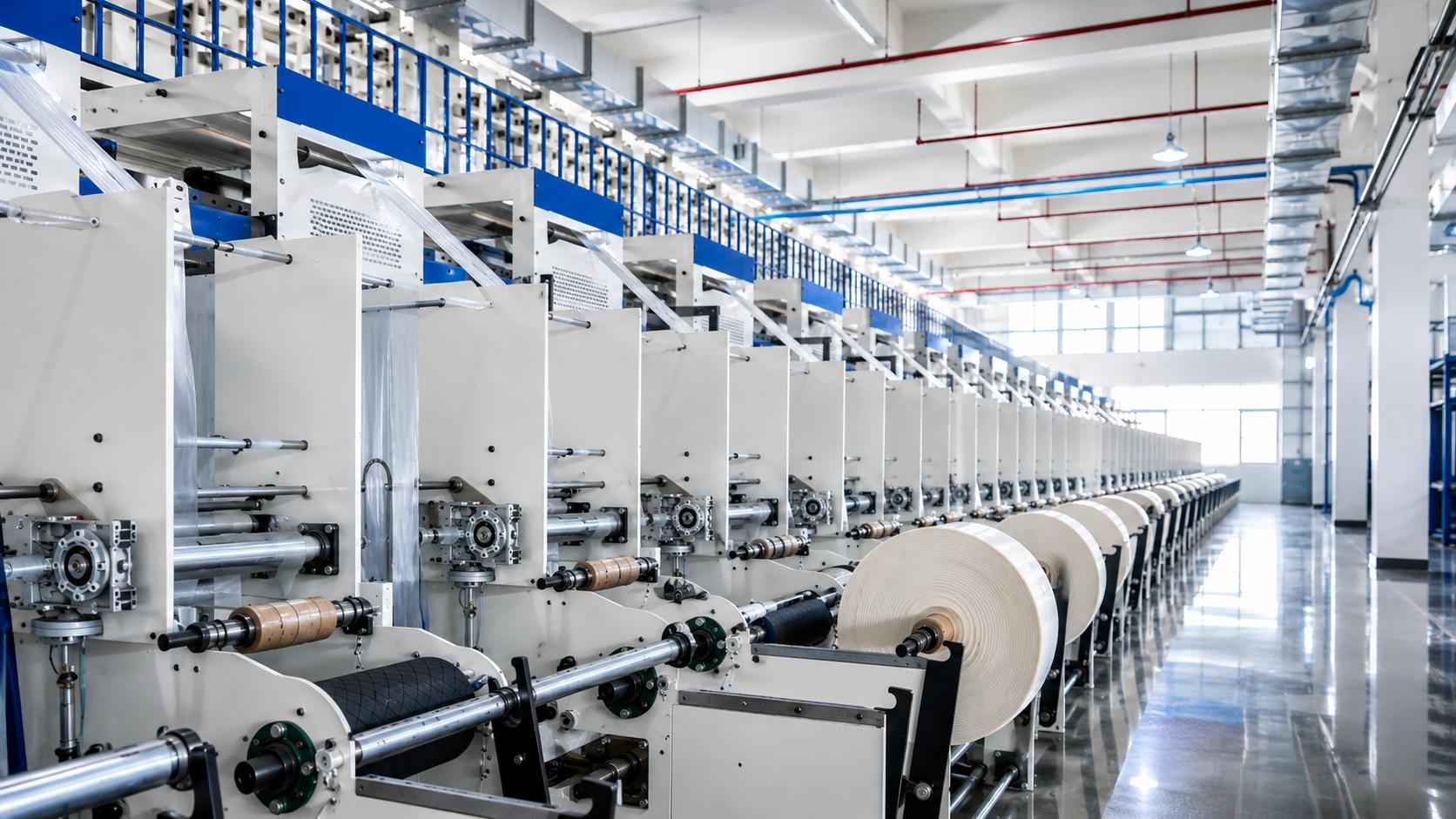
Foodservice & Institutional Supply — Cost & Speed Over Branding
Hotels, schools, and cafeterias need portion control and line speed, not branding. Compared to the retail baseline -
- Thinner film - ~60–70 microns (2–3 layer laminate), since shelf stability and barrier needs are lower
- Smaller format - single-serve portions, 5oz–2oz, width 60–100mm
- Minimal print - 1–2 color flexo instead of 6–8 color gravure
- Tighter tolerance - bag width tolerance ±1mm to match high-speed automated filling lines (seal jaw dimensions and film feeding direction need to match the packer's equipment)
A snack bags manufacturer with short lead times on plain stock bags is more valuable here than one focused only on custom print.
Specialty & Health Food—Sustainability Documentation Required
Clean-label brands need material transparency, not just performance. Compared to the retail baseline -
- Structure shifts to kraft + PE liner - kraft basis weight ~60–80gsm, total caliper ~100–130 microns
- Seal strength slightly lower - ~2–3 N/15mm due to the paper layer, with a resealable zipper and small clear window (commonly 30×40mm)
- Certification requirements - EN 13432 (compostability) and How2Recycle documentation, plus food-contact safety sheets — confirmed before production, not after

Convenience, Club, & Export — Quick Notes
- Convenience/Impulse - thinner flow-wrap film, ~40–60 microns, optimized for single-serve cost-per-unit and peg/vending fit. Ziploc snack bags appear mainly in multipack convenience SKUs — buyers sourcing these should look for ziploc snack bags suppliers with proven high-volume output and consistent seal quality across large runs. For seasonal or promotional needs, the ability to turn around custom printed snack pouches quickly (without rebuilding a full gravure plate set) is a real advantage; digital or flexo printing capability is more useful here than long gravure lead times.
- Club & Bulk Retail (Costco-style) - heavier-duty side gusset or large flat-bottom format, 150g–1kg fill, width 200–300mm — specs are usually dictated directly by the retailer.
- Export - same base structure as the target channel, but barrier rating adjusts to climate (e.g., WVTR < 1 g/m²/day for humid regions), plus multi-language panels and FDA/EFSA-compliant declarations.
What to Confirm Before Choosing a Supplier
Whether you're sourcing standard stock bags or fully custom snack packaging bags, confirm the following before finalizing a supplier -
- Film thickness and barrier data matched to required shelf life
- Seal strength and zipper cycle rating matched to handling stress (shelf vs. shipping vs. repeated portioning)
- Food-contact documentation and sustainability certificates, provided upfront
- Printing method (gravure/flexo/digital) matched to order volume
- Bag width tolerance and seal jaw compatibility with your filling line
- Reorder consistency — same specs hold batch after batch
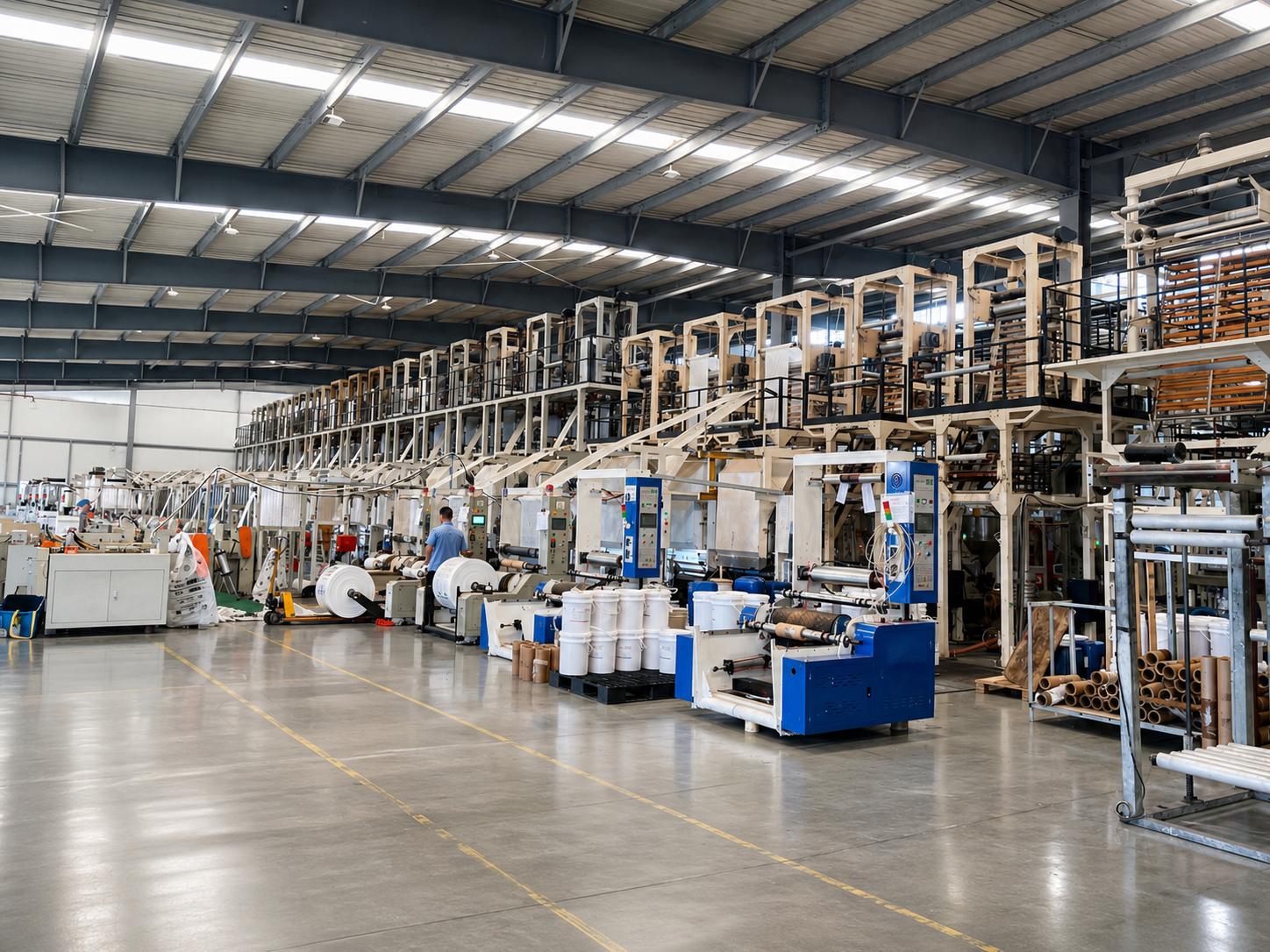
As an in-house manufacturer covering printing, lamination, and bag-making, Huayue Group can confirm most of these specs in a single conversation rather than requiring buyers to chase data across multiple vendors.
Final Takeaway
The biggest sourcing mistake buyers make is treating snack bags as a commodity spec rather than a channel-specific decision. Format, material, print method, and seal type should all follow from where the product lands — not the other way around. Work with snack bags manufacturers that understand channel requirements, not just bag construction, and you'll avoid costly redesigns down the line.
Tell Huayuepack your snack type, target sales channel, bag format, size, material preference, printing requirements, order quantity, and destination market. Our team can help you evaluate suitable snack bag structures for retail, e-commerce, foodservice, or export applications.
Packing Solutions
Related Products

Tel: +86 18019228135
E-mail: alfredren@huayuepack.com
Address: No.228 ZhaiXing Rd, XinSheng Industrial zone, ZheLin Town, FengXian District, ShangHai, China.

Copyright © 2026 Huayue Group Plastic Packaging Manufacturers
