
 English
 Español
The Ultimate Guide to Sourcing Plastic Produce Bags for Your Business
For grocery stores, supermarkets, deli stores, farms, and food distributors, plastic produce bags are one of those everyday essentials that rarely get a second thought — until something goes wrong, like bags tearing during transport or produce wilting too quickly on the shelf. Rather than covering the basics again, this guide focuses on the practical side of sourcing plastic produce bags - what actually matters when buying them, how businesses are adapting to new packaging trends, and what to look for when choosing a supplier.
Why Bag Quality Affects More Than Just Packaging
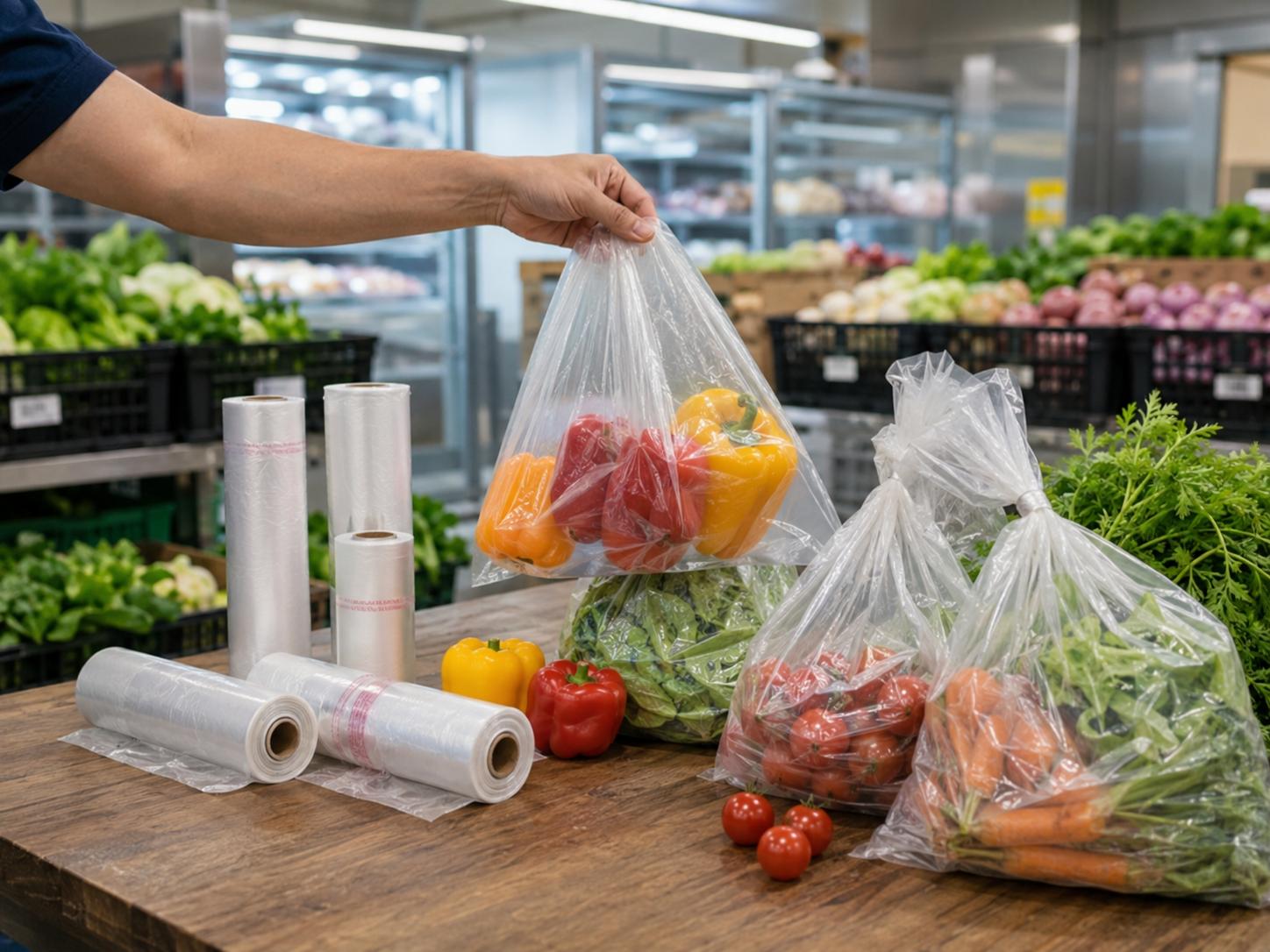
It's easy to assume that all plastic vegetable bags perform the same way, but bag quality directly impacts product presentation, shelf life, and even customer trust. Bags that are too thin increase product loss during handling and distribution, while inadequate ventilation accelerates spoilage and shortens shelf life. At the retail level, poor bag appearance can reduce sell-through rates and increase in-store waste, directly affecting revenue per square foot. For businesses, this means bag selection isn't just a packaging decision, it's part of the overall product experience.
Cost vs. Performance - Finding the Right Balance
One of the biggest challenges for retailers and distributors is balancing cost with performance. Buying the cheapest plastic produce bags available might save money upfront, but if bags fail during handling or storage, the cost of product loss and customer dissatisfaction can outweigh the initial savings. On the other end, over-investing in premium features that aren't necessary for your specific produce type can unnecessarily inflate packaging costs. The smarter approach is matching bag specifications, such as thickness, size, and ventilation, to the actual products being packaged, rather than choosing a one-size-fits-all solution.
Matching Bag Specifications to Real Business Needs
Saying that bag specifications should match the product being packaged is easy — the harder part is knowing which specifications actually move the needle for your specific operation. Each spec affects a different part of the buying decision, from unit cost to how smoothly bags move through daily handling. The table below breaks down what business buyers should actually be evaluating when comparing options -
|
Specification |
Why It Matters for Business Buyers |
|
Material |
Affects clarity, strength, cost, and whether the bag meets food-contact safety requirements |
|
Thickness |
Determines tear resistance during handling and transport, and directly impacts per-unit cost |
|
Bag Size |
Influences packing efficiency, product fit, and how much material is wasted on oversized or undersized bags |
|
Perforation / Ventilation |
Controls moisture buildup, which is critical for extending shelf life on produce prone to condensation or spoilage |
|
Roll Format |
Affects how easily bags dispense at checkout or in-store, impacting staff efficiency and customer experience |
|
Printing |
Supports branding, private-label positioning, and the ability to communicate storage or food-safety instructions directly on the bag |
For example, a thinner, low-cost bag might be perfectly adequate for hardy produce like potatoes or onions, but the same thickness could lead to frequent tearing and product loss when used for leafy greens or soft fruit. Similarly, a supermarket running high-volume checkout lanes will get more practical value from a well-designed roll format than from added printing, while a private-label brand might prioritize printing and material clarity over roll convenience. The right specification mix isn't about choosing the "best" option across the board — it's about identifying which factors actually affect cost, product protection, or operations for your specific produce category, and prioritizing accordingly.
How Custom Plastic Produce Bags Support Business Goals
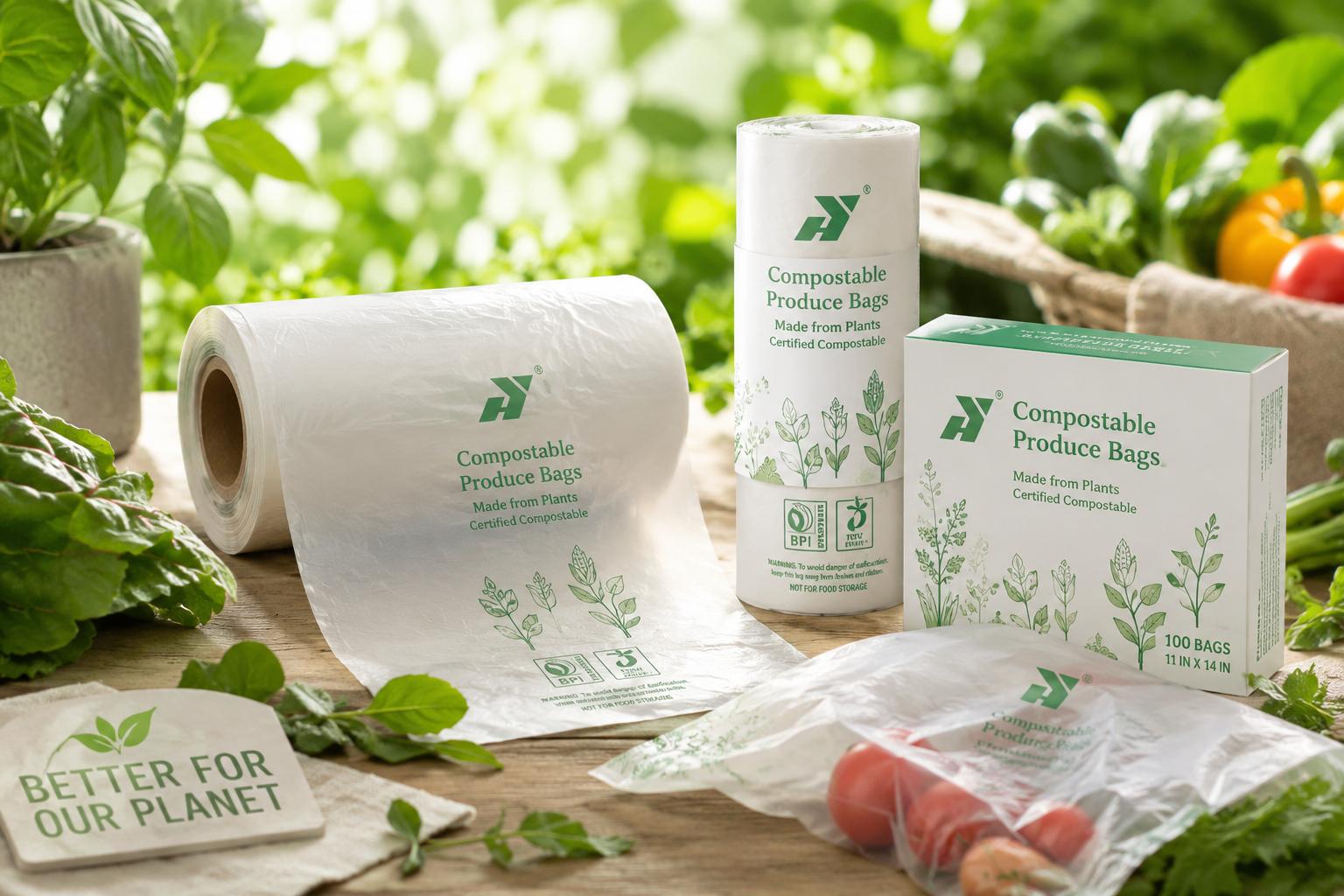
Beyond basic functionality, many businesses are turning to custom plastic produce bags to support broader business goals, not just branding. For example, color-coded bags can help staff and customers quickly identify product categories, reducing mix-ups at checkout or in storage. Some businesses use custom sizing to standardize packaging across different produce types, simplifying inventory and reducing waste from using oversized or undersized bags. Custom printing can also be used to share simple consumer information, like storage tips or "wash before eating" reminders, adding a small but meaningful value-add to the customer experience.
Responding to Consumer Demand for Eco-Friendly Packaging
Consumer expectations around packaging have shifted noticeably in recent years, and businesses that ignore this shift risk falling behind competitors. For retailers and produce distributors, eco-friendly produce bags are increasingly tied to store sustainability policies, private-label positioning, and local packaging requirements. Buyers should compare material options, certification claims, cost impact, and supply stability before replacing conventional PE produce bags. Making this shift doesn't always require overhauling an entire packaging line either; many businesses start by introducing eco-friendly options alongside traditional bags and gradually expanding based on customer response.
A Quick Checklist for Evaluating Plastic Produce Bags Manufacturers
When sourcing from plastic produce bags manufacturers, it helps to have a clear evaluation process rather than choosing based on price alone. Consider the following before committing to a supplier -
- Can they accommodate custom sizing, printing, or branding requests?
- What food safety certifications or material testing standards do they follow?
- Are they able to scale production for both small trial orders and larger ongoing supply needs?
- How consistent is their material quality across different production batches?
- Does the manufacturer offer both standard and eco-friendly material options?
Working through these questions can help avoid costly supplier mismatches down the line.
Why Huayue Group Is a Reliable Sourcing Partner
For businesses navigating these decisions, Huayue Group offers a practical solution by combining manufacturing flexibility with consistent quality standards. Rather than offering a single fixed product line, Huayue Group supports a range of plastic produce bags, including custom-printed designs and eco-friendly alternatives, allowing businesses to adjust their packaging strategy as needs change. Their production setup is built to handle both smaller custom orders and larger bulk runs, which makes them a practical fit for everything from local grocery chains to larger distribution networks. Just as importantly, Huayue Group maintains close attention to material sourcing and quality control, helping ensure that every batch of plastic vegetable bags holds up to the demands of everyday food handling and storage.
Final Takeaway
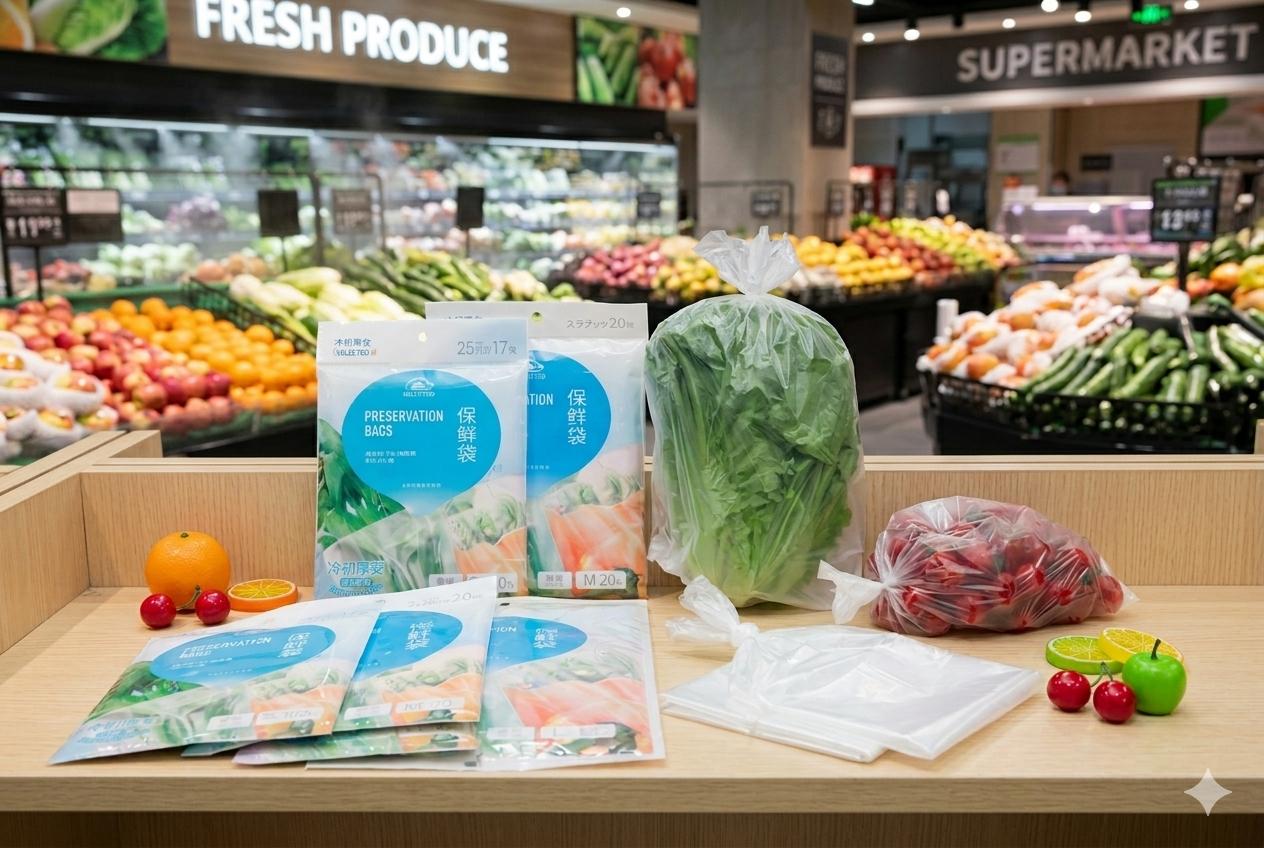
Choosing the right plastic produce bags isn't just about checking a box on a packaging list — it's a decision that touches product quality, customer perception, and increasingly, sustainability expectations. By focusing on practical factors like durability, customization options, and supplier reliability, rather than price alone, businesses can make packaging choices that genuinely support long-term success. Partnering with an experienced manufacturer like Huayue Group can make that process easier, offering the flexibility and consistency needed to keep packaging decisions simple and effective.
Packing Solutions
Related Products

Tel: +86 18019228135
E-mail: alfredren@huayuepack.com
Address: No.228 ZhaiXing Rd, XinSheng Industrial zone, ZheLin Town, FengXian District, ShangHai, China.

Copyright © 2026 Huayue Group Plastic Packaging Manufacturers
