
 English
 Español
The Ultimate Guide to Gallon Quart Food Bags — Sizes, Uses & Buying Tips
Whether you're a supermarket buyer, retail grocery distributor, or food service operator, gallon quart food bags are high-turnover shelf staples that drive consistent sales — trusted by everyday consumers for food storage, portion control, and reducing kitchen waste. This guide covers what to look for, how to use them effectively, and why choosing the right supplier matters — especially if you're buying in volume.
What Are Gallon Quart Food Bags?
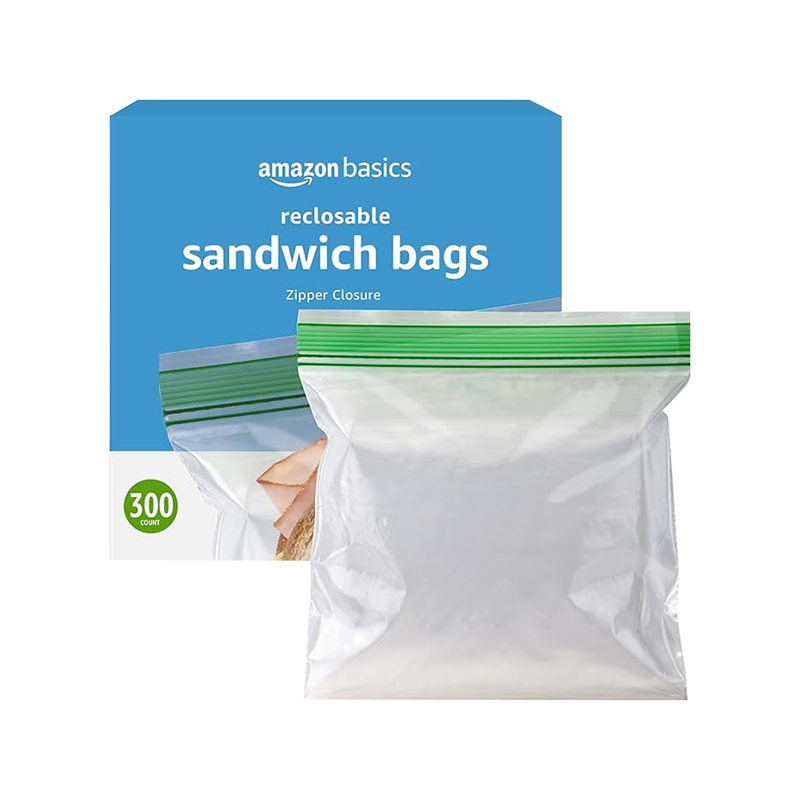
Gallon and quart food bags are resealable plastic storage bags available in two standard sizes, each suited to different commercial kitchen needs.
Quart Size (~950ml)
The quart size is designed for smaller quantities, making it ideal for portioning condiments, sauces, and small-batch ingredients. Its compact form allows for efficient labeling and organized cold storage, helping kitchen staff quickly locate and rotate ingredients during service.
Gallon Size (~3.8L)
The gallon size handles larger volumes with ease — perfect for marinating proteins, storing bulk soups and stocks, or managing dry storage organization in walk-in coolers and pantries. Its extra capacity makes it a practical choice for high-volume prep work.
Both sizes are available in press-to-seal (zip-lock) and slider-seal closures — two of the most popular closure styles in retail — with higher-quality versions featuring double zipper seals for enhanced leak protection. This product category supports both closure types, giving retail buyers and private-label brands the flexibility to stock the style that best matches their customer base. The bags are typically made from LDPE or LLDPE plastic, which is food-safe, flexible, and puncture-resistant.
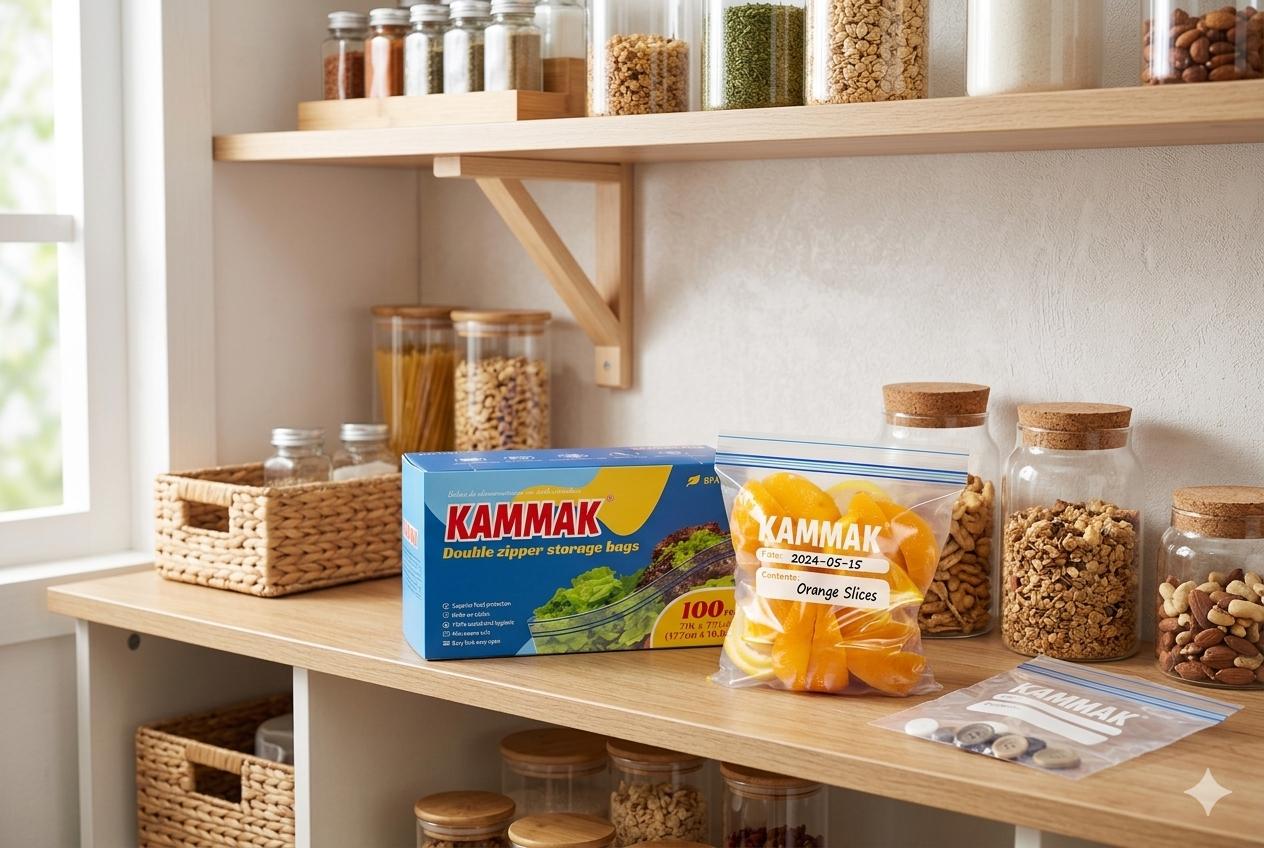
Gallon vs. Quart - Which Size Do You Actually Need?
|
Recommended Size |
Use Case |
|
Gallon |
Marinating bulk chicken breasts |
|
Gallon |
Freezing soup for family-style or bulk catering portions |
|
Quart |
Small portions for sides or individual servings |
In most households and commercial kitchens, keeping both sizes on hand is the practical move. Many suppliers sell quart and gallon Ziploc bags in combo packs precisely for this reason.
Closure Types and Thickness Options - What Buyers Need to Know
Understanding the two main closure types and two thickness grades is essential for making the right stocking or sourcing decision.
Closure Types - Press-to-Seal vs. Slider
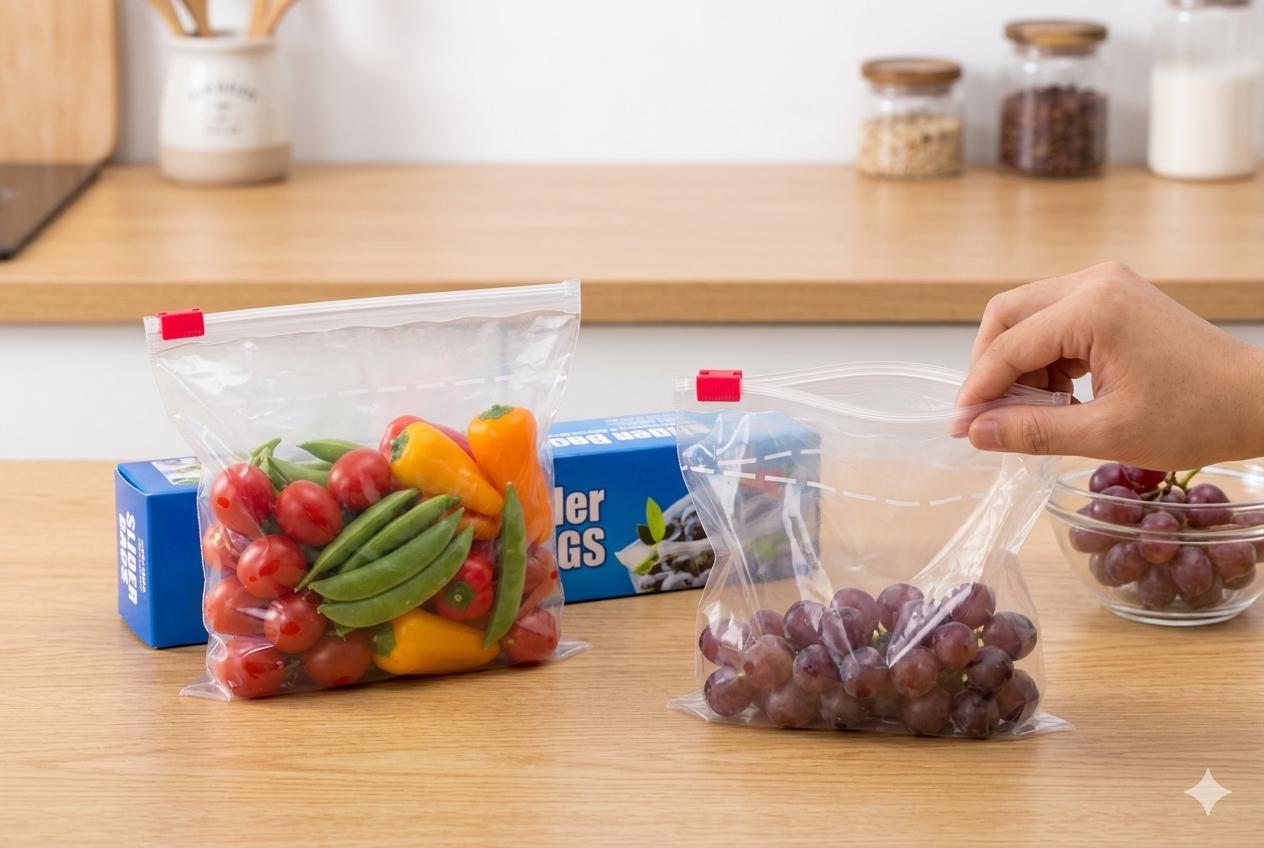
Press-to-seal (zip-lock) closures are the standard across both quart and gallon sizes. Single zipper seals work well for everyday dry or refrigerated storage, while double zipper (dual zipper) designs offer stronger leak resistance — the better choice for liquids or marinades. Slider closures add one-handed convenience via a gliding tab, and tend to deliver a more consistent seal than pressing by hand. However, because the slider mechanism requires extra material at the bag's opening, this closure type is only practical on larger sizes and is almost exclusively found in gallon bags — typically positioned as a premium SKU at a higher price point.
Thickness Grades - Storage Bags vs. Freezer Bags
Standard storage bags run around 1.5–2 mil — suitable for everyday refrigerator use, snack portioning, and general household storage. They're the right fit for value-tier or high-turnover retail SKUs where price sensitivity matters.
Freezer bags are thicker at 2.7 mil or above, engineered to resist cracking and freezer burn at sub-zero temperatures. The added thickness also improves puncture resistance for sharp-edged items like bones or frozen seafood. Freezer bags command a higher retail price and are best merchandised as a clearly distinct SKU alongside standard bags.
For retail buyers, stocking both grades — particularly in the gallon size — rounds out your category offering without unnecessary SKU overlap.
What to Look for When Sourcing
Press-to-seal bags come in single zipper and double zipper designs. Single zipper seals keep unit costs lower and work fine for dry goods and light everyday use, but are more prone to accidental opening and leakage when storing liquids or moist foods. Double zipper seals add a second interlocking zipper channel for significantly better leak resistance and a more secure close — at a slightly higher material cost. For any SKU positioned above the entry price tier, double zipper is worth building into your spec.
Thickness (mil rating) matters for freezer use. Standard bags are around 1.5–2 mil; freezer bags run 2.7 mil or higher. Thin bags crack at low temperatures, leading to product loss and freezer burn — a direct cost to your operation.
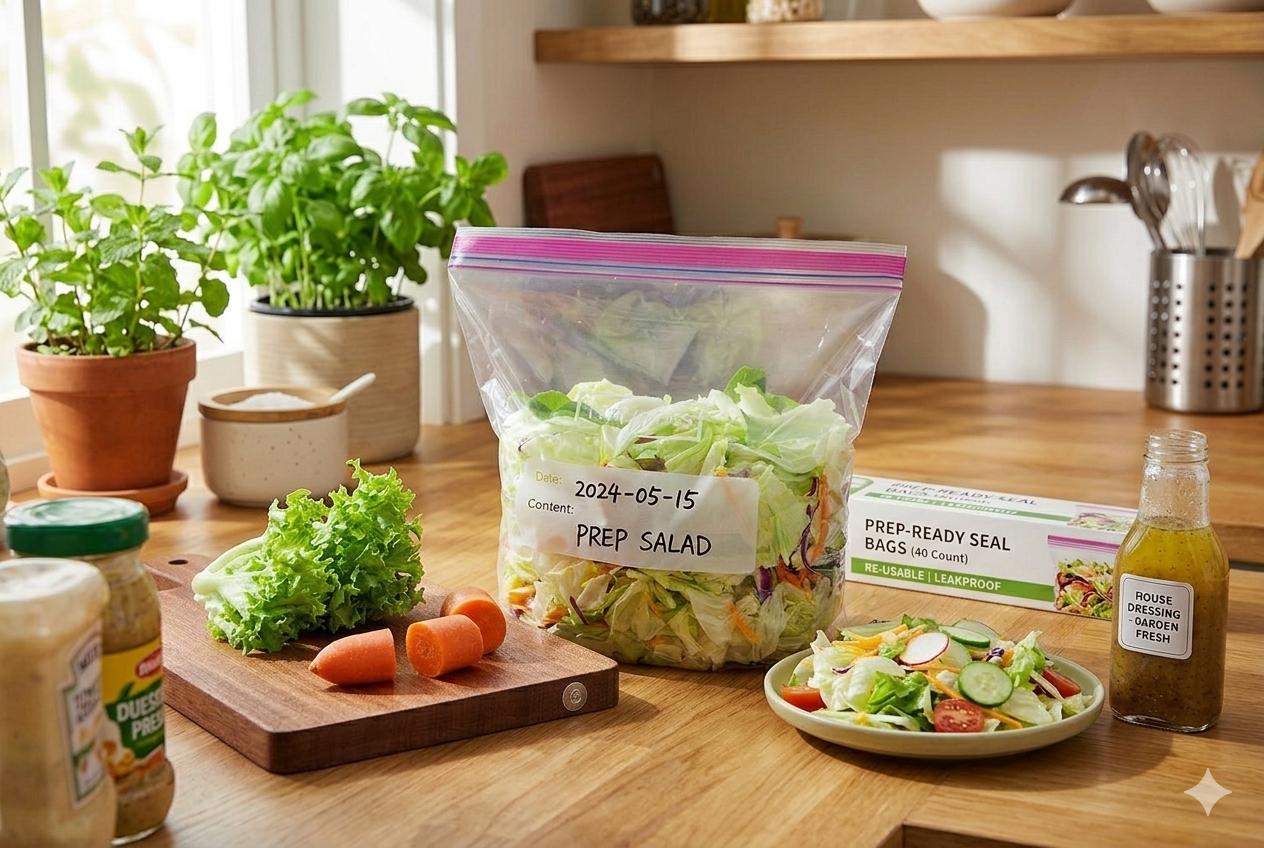
Transparency helps with quick visual identification — especially useful in commercial kitchens or shared fridges.
BPA-free certification is standard in reputable brands but always worth confirming when sourcing from new suppliers.
Buying in Bulk - What Wholesale Buyers Should Know
For supermarkets, grocery chains, and retail distributors sourcing in volume, working directly with gallon quart food bags manufacturers is the most cost-effective route to competitive shelf pricing and consistent supply. Key considerations -
- MOQ (Minimum Order Quantity) - Most manufacturers require a minimum order. Compare MOQs across suppliers to find a fit for your scale.
- Custom printing - Many factories offer logo printing or custom sizing for private-label products.
- Compliance - For food-contact packaging, confirm FDA (US), LFGB (EU), or equivalent certifications depending on your target market.
- Lead time - Production and shipping time varies; plan 4–8 weeks for custom orders from overseas factories.
If you're looking for wholesale gallon quart food bags at competitive prices without sacrificing quality, partnering with an established manufacturer gives you both pricing leverage and production consistency.
Why Huayue Group Stands Out
Huayue Group is a professional manufacturer of food storage packaging, including the full range of ziploc gallon food storage bags and quart-size variants. With years of experience supplying both domestic and international markets, Huayue offers -
- Factory-direct pricing— no middlemen, which translates to real cost savings on wholesale gallon quart food bags
- Flexible customization— sizes, thickness, seal types, and branding to fit your specific product line
- Strict quality control— food-safe materials with certifications to meet export requirements
- Reliable supply chain— consistent production capacity to support retailers and distributors at scale
Whether you need a standard quart bag for retail shelf placement or a heavy-duty gallon bag for commercial kitchen use, Huayue has the manufacturing capability and product range to deliver.
Seal the Deal
Gallon and quart food bags are simple products, but the quality gap between a cheap bag and a well-made one is very real — especially at scale. For everyday buyers, focus on seal quality and material thickness. For businesses sourcing in volume, going direct to trusted gallon quart food bags manufacturers like Huayue Group is the smarter, more sustainable approach.
The right bag keeps food fresher, reduces waste, and — when you're buying wholesale — keeps costs predictable. That's a straightforward win on all fronts.
Packing Solutions
Related Products

Tel: +86 18019228135
E-mail: alfredren@huayuepack.com
Address: No.228 ZhaiXing Rd, XinSheng Industrial zone, ZheLin Town, FengXian District, ShangHai, China.

Copyright © 2026 Huayue Group Plastic Packaging Manufacturers
