
 English
 Español
The Science of Food Storage: From Ancient Jars to Modern Zip-Seal Bags
Why Preservation Matters
The simple act of storing food is one of humanity's oldest and most vital technologies. From the earliest days of foraging and hunting, finding a way to keep a harvest or catch from spoiling meant the difference between survival and starvation. Ancient civilizations relied on salting, smoking, drying, and fermentation to extend the lifespan of their provisions.
Today, while we still use these traditional methods, modern science and engineering have revolutionized food preservation. The primary enemy of food is not just time, but a combination of factors: oxidation, microbial growth (bacteria, yeasts, and molds), and moisture loss or gain. Effective food storage is all about creating barriers to control these factors.
The Chemistry of Spoilage
Understanding Oxidation
When food is exposed to oxygen in the air, a chemical reaction called oxidation occurs. This is what causes sliced apples to turn brown, fats to become rancid, and vitamins (like Vitamin C) to degrade. The longer a food is exposed to air, especially at room temperature, the faster this process happens. A key goal of modern food storage is to minimize this air exposure.
The Role of Water and Microbes
Microorganisms need moisture to thrive. They multiply rapidly in damp, oxygen-rich environments, leading to visible mold and the production of toxins. Removing or controlling the water content is crucial for long-term safety. Conversely, preventing food from drying out is equally important for maintaining its texture and flavor—a process known as freezer burn. Freezer burn occurs when moisture in the food sublimates (turns directly into vapor) and deposits as ice crystals on the walls of the container, leaving the food itself dry and tough.
The Modern Marvel: Polyethylene Bags
The introduction of polyethylene plastic in the mid-20th century transformed food storage. Polyethylene is a type of polymer—a large molecule made up of repeating smaller units—that is cheap, flexible, and chemically inert, meaning it won't react with the food it touches.
Sizing Up Your Options
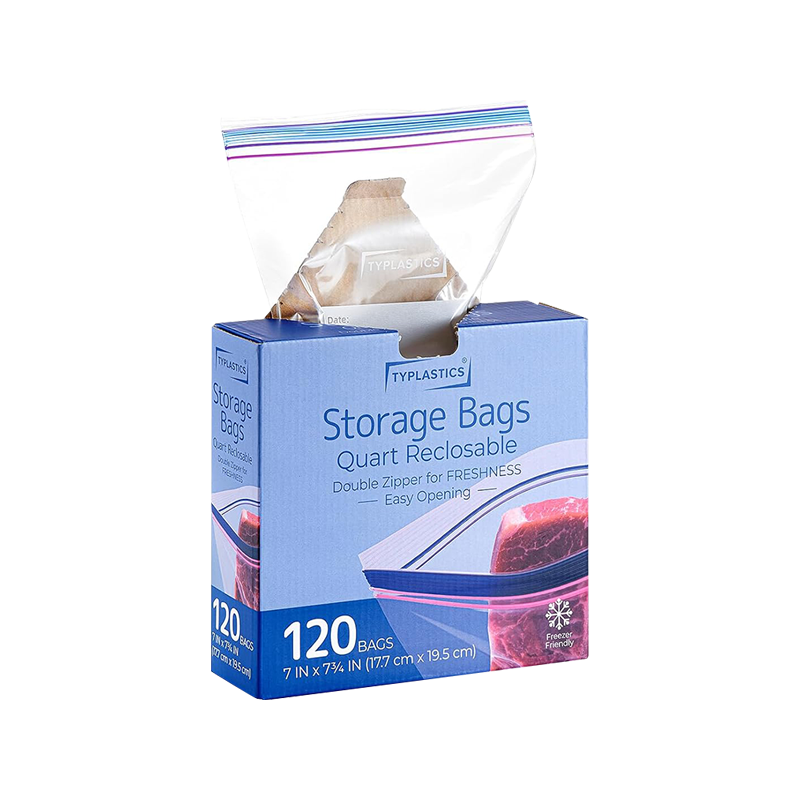
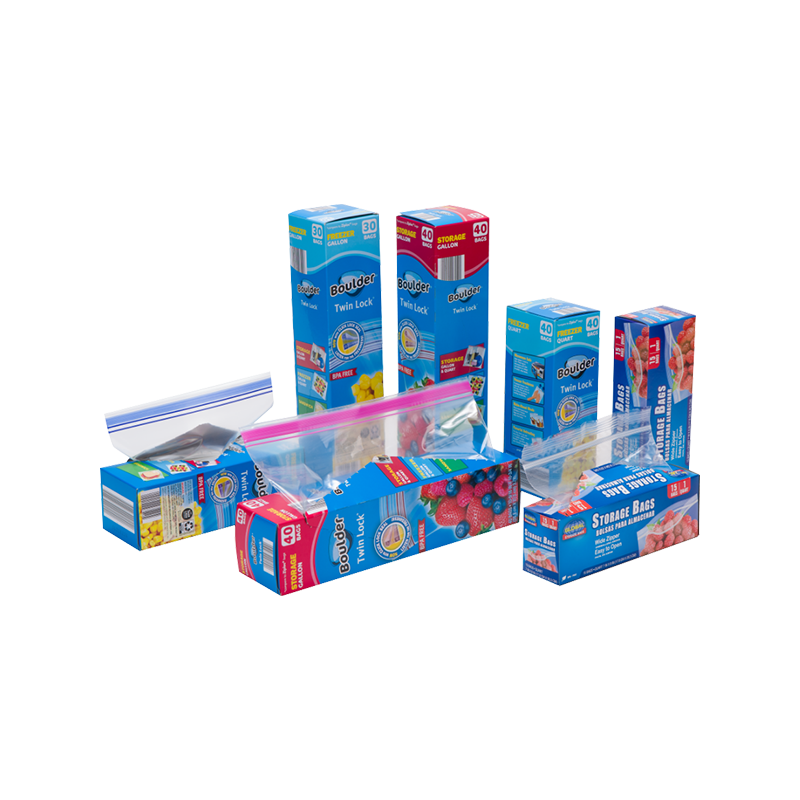
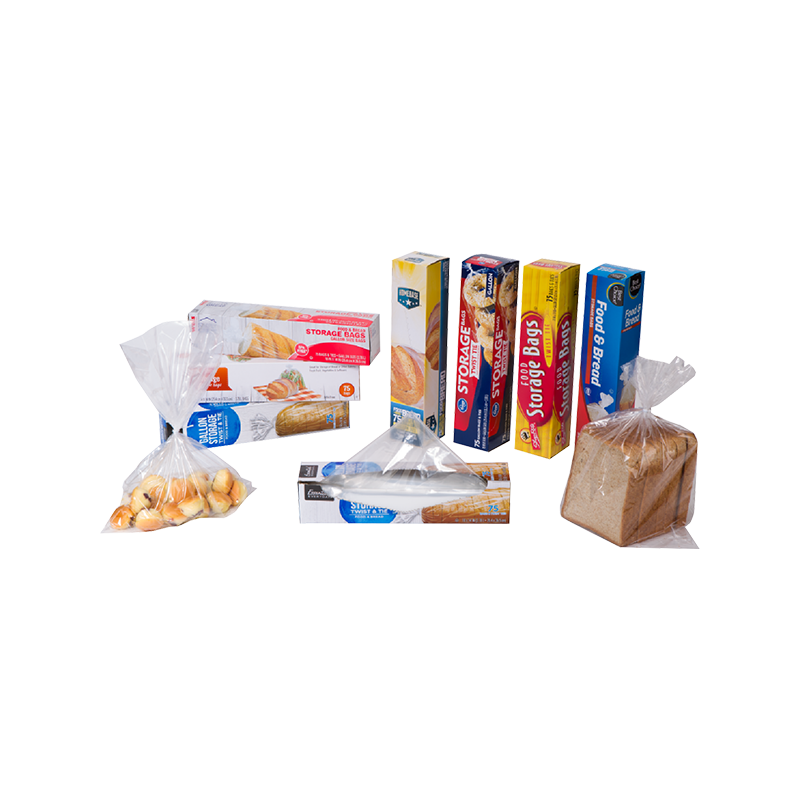
The modern kitchen staple for controlling oxidation and moisture is the common zip-seal plastic bag. These bags, often available in various sizes, are essential for both refrigerator and freezer storage. They work by providing a thin but effective barrier between your food and the environment.
The most common and useful sizes in the US standard of measurement are the Gallon Quart Food Bags. The gallon-size bags (holding 128 fluid ounces) are perfect for bulk items, marinading large cuts of meat, or storing prepared meals. The quart-size bags (holding 32 fluid ounces) are ideal for freezing smaller portions, saving leftovers, or packing ingredients. The simple, mechanical zip-seal mechanism creates an airtight closure that dramatically slows the rate of spoilage, making them one of the most cost-effective preservation tools available.
Tips for Maximizing Bag Efficiency
-
Squeeze Out the Air: For freezer storage, manually pressing as much air out of the bag as possible before sealing is the single best way to prevent freezer burn and reduce oxidation. Less air means less moisture available to sublimate and less oxygen to react with the food.
-
Double Bagging: For especially pungent foods or delicate items being stored for the long term, placing a sealed bag inside another sealed bag offers an extra layer of protection against odors and air leaks.
-
The Water Displacement Method: When freezing liquids or softer foods, partially seal the bag, then slowly lower it into a large pot of water (keeping the opening above the water line). The pressure of the water pushes the air out of the bag without requiring manual squeezing, allowing for a near-perfect vacuum seal before the final closure.
By understanding the simple science behind spoilage—the need to control air, water, and microbial growth—we can appreciate why a tool as humble as the Gallon Quart Food Bags remains central to the modern art of keeping our food fresh and safe.
Packing Solutions
Related Products

Tel: +86 18019228135
E-mail: alfredren@huayuepack.com
Address: No.228 ZhaiXing Rd, XinSheng Industrial zone, ZheLin Town, FengXian District, ShangHai, China.

Copyright © 2026 Huayue Group Plastic Packaging Manufacturers
