
 English
 Español
The Scoop on Poop Bags: How Science is Cleaning Up After Our Pets
The simple act of scooping up after your dog is a daily ritual for millions of pet owners. But have you ever stopped to think about the humble plastic bag that makes this possible? The world of pet waste bags is a surprising intersection of chemistry, environmental science, and urban living. As our cities get greener and our pet populations boom, the science behind "poop bags" is rapidly evolving to address one of the planet's most persistent, yet overlooked, waste streams.
The Environmental Problem in a Small Package
It's easy to dismiss a single doggie bag, but the numbers quickly add up. Americans own approximately 90 million dogs, and each one produces a significant amount of waste every year—waste that often ends up sealed in a small plastic capsule.
The True Cost of Pet Waste
Beyond the smell and the unsightliness, pet waste poses three primary environmental threats:
-
Pathogens: Dog waste is a reservoir for harmful bacteria (like E. coli and Salmonella) and parasites (like roundworms) that can contaminate water sources and spread disease to wildlife and humans.
-
Nutrient Pollution: While often viewed as "natural fertilizer," dog waste is too rich in nitrogen and phosphorus. When left on the ground or washed into waterways, it acts as a pollutant, causing excessive algae growth (eutrophication) that chokes out aquatic life.
-
Plastic Waste: The vast majority of traditional pet waste bags are made from non-biodegradable, petroleum-based plastics. These take hundreds of years to break down in a landfill, contributing to the global plastic pollution crisis.
The Chemistry of 'Breaking Down': Biodegradable vs. Compostable
To combat plastic pollution, the market has exploded with "eco-friendly" options. Understanding the subtle yet critical differences between these bags is the first step toward making a truly responsible choice.
What is a "Biodegradable" Bag?
The term biodegradable is often misleading. It simply means a material will eventually break down into smaller pieces through the action of microorganisms (like bacteria and fungi). However, there is no standardized time frame, and many "biodegradable" plastics still require specific, often high-temperature, conditions to degrade. They frequently break down into tiny pieces of plastic, known as microplastics, which still persist in the environment.
A common type is oxo-degradable or oxo-biodegradable plastic. These are regular plastics with added metal salts that trigger them to fragment quickly when exposed to sunlight and oxygen. Crucially, they don't break down into natural, non-toxic components; they just disintegrate faster, making their fragments easier to spread.
The Gold Standard: Certified Compostable Bags
Compostable materials are the true environmental solution. A bag that is certified compostable is made from plant-based materials, such as corn starch (PLA, or polylactic acid) or vegetable oils, and is guaranteed to break down completely into non-toxic, natural components (water, , and biomass) within a specific timeframe under composting conditions.
The most widely recognized international standard for compostability is ASTM D6400 (or its European equivalent, ). A bag with this certification means it has been rigorously tested to ensure it leaves behind no plastic residue or toxins.
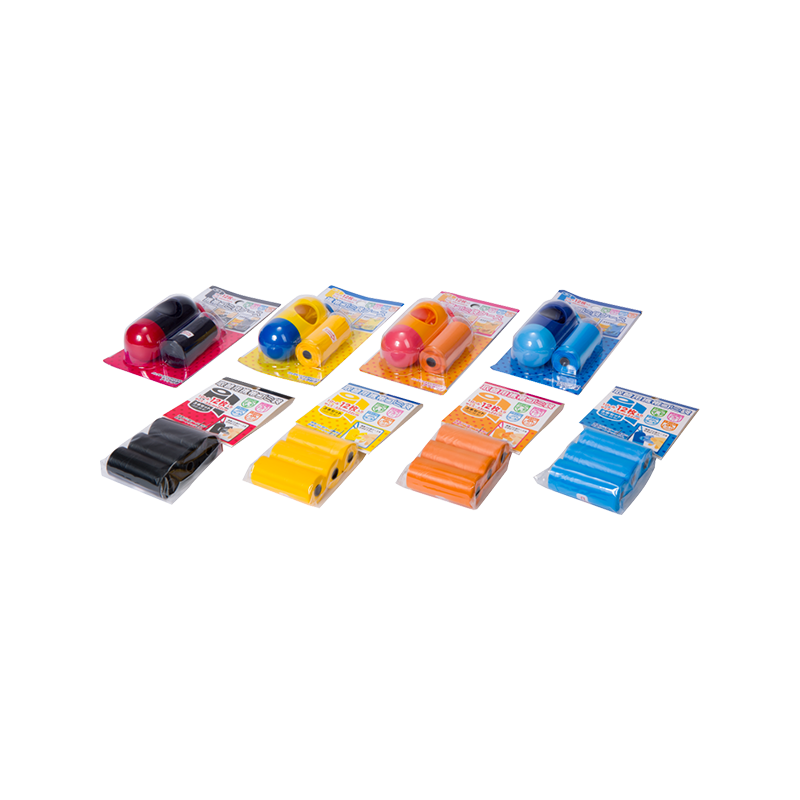
The Disposal Dilemma: Where Does the Bag Go?
Even with the best compostable bag, the disposal process remains complex due to the contents of the bag.
Why You Can't Just Throw it in the Backyard Bin
While the bag itself may be compostable, the dog waste inside is typically not accepted at municipal or home composting facilities.
-
Pathogens: The primary concern is the presence of harmful pathogens, which standard home composting bins often don't reach the high temperatures required to kill.
-
Contamination: Introducing pet waste could contaminate large-scale municipal compost, making it unsafe for use on food crops.
In almost all jurisdictions, a pet waste bag—even a compostable one—must still be sealed and placed in the regular trash bin, which is destined for a landfill.
The Future: Commercial Pet Waste Composting
A growing number of specialized pet waste hauling and composting services are emerging in environmentally conscious cities. These services use industrial-grade composting systems that employ sustained, high-heat processes ( or ) long enough to effectively kill nearly all pathogens and break down both the waste and the certified compostable bags into safe, nutrient-rich soil amendments (usually for non-food landscaping).
As scientific standards improve and these specialized services expand, the seemingly small problem of the plastic poop bag is paving the way for a major shift in how urban centers manage their biological waste. Next time you reach for a bag, remember that you're holding a miniature chemistry lab and a vital part of the urban sustainability puzzle.
Packing Solutions
Related Products

Tel: +86 18019228135
E-mail: alfredren@huayuepack.com
Address: No.228 ZhaiXing Rd, XinSheng Industrial zone, ZheLin Town, FengXian District, ShangHai, China.

Copyright © 2026 Huayue Group Plastic Packaging Manufacturers
