
 English
 Español
How Advanced Thermal-Insulation Bags are Revolutionizing Cold Chain Logistics and Daily Life
The Science of Thermal Resistance in Modern Insulation Bags
At the core of every high-performance thermal-insulation bag is a sophisticated layering system designed to combat the three forms of heat transfer: conduction, convection, and radiation. Most high-quality bags utilize a triple-layer construction. The outer layer is typically a high-density Oxford cloth or polyester that resists punctures and provides a water-resistant barrier. The middle layer—the most critical component—consists of Expanded Polyethylene (EPE) foam or polyurethane, which acts as a dense thermal barrier to slow down the conduction of heat. Finally, the innermost layer is usually a reflective aluminum foil or PEVA (Polyethylene Vinyl Acetate), which reflects radiant heat back toward the source, keeping cold items cold and hot items hot for extended periods.
Material Performance Comparison
| Material Type | Insulation Duration | Best Use Case |
| EPE Foam (3mm) | 2–4 Hours | Daily Lunch Commute |
| High-Density NBR Foam | 6–12 Hours | Outdoor Camping / Hiking |
| Vacuum-Insulated Panels | 24+ Hours | Medical & Pharmaceutical Transport |
Optimizing Performance for Food Safety and Longevity
To maximize the effectiveness of thermal-insulation bags, users must understand the importance of "thermal mass." A bag that is only half-full will lose its temperature much faster than a full bag because the empty space allows for air circulation, which accelerates heat exchange. When transporting perishable goods, such as dairy or raw meats, it is essential to maintain a temperature below 40°F (4°C) to prevent bacterial growth. Utilizing gel packs or dry ice (where compatible) creates a micro-climate within the bag that can sustain safe temperatures even in high-ambient-heat environments.
Best Practices for Maximum Retention
- Pre-chill the bag by placing a cold pack inside for 15 minutes before adding items.
- Minimize the frequency and duration of opening the bag to prevent cold air escape.
- Ensure the airtight zipper is fully engaged to prevent "thermal leaks" at the seals.
- Use separate bags for hot and cold items to avoid neutralizing the internal temperature.
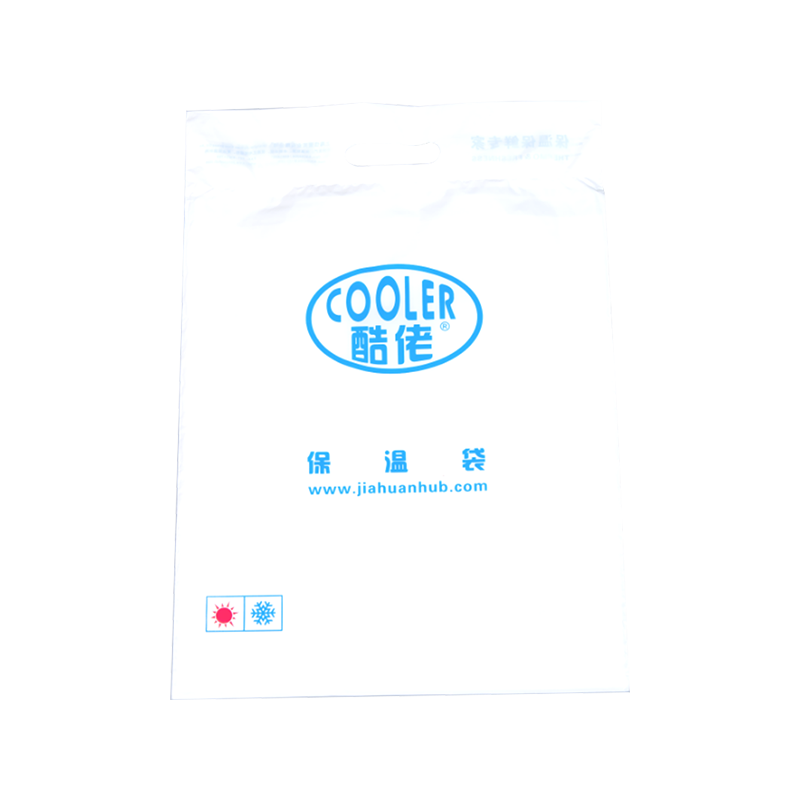
Specialized Applications: From Grocery Delivery to Medical Supplies
Thermal-insulation bags have evolved far beyond simple lunch boxes. In the pharmaceutical industry, "cold chain" bags are vital for transporting insulin, vaccines, and biologics that are highly sensitive to temperature fluctuations. These bags often feature integrated temperature sensors and data loggers. In the commercial sector, the rise of grocery delivery services has led to the development of oversized, heavy-duty insulated bags designed to keep frozen goods solid for up to four hours during transit. These bags are often reinforced with corrugated plastic inserts to maintain their shape and prevent crushing the contents.
Key Features to Look for in Professional Grade Bags
When selecting a bag for professional or rigorous use, durability and hygiene are just as important as insulation. Look for heat-welded seams rather than stitched ones; heat-welding creates a leak-proof basin that prevents melted ice or food spills from seeping into the insulation foam, which can lead to mold and odors. Additionally, antimicrobial linings are increasingly common, providing an extra layer of protection against cross-contamination in food delivery scenarios.
Maintenance and Longevity of Insulated Materials
The lifespan of a thermal-insulation bag depends heavily on proper maintenance. While the outer shells are tough, the inner reflective linings can be delicate. Abrasive cleaners or scrubbers can scratch the aluminum coating, reducing its ability to reflect radiant heat. To clean, users should use a soft cloth with mild soap and warm water. It is imperative to air-dry the bag completely while open before storing it; trapped moisture is the primary cause of degradation in the foam insulation layer, which can cause the material to lose its structural integrity and "flatten," significantly reducing its R-value over time.
Packing Solutions
Related Products

Tel: +86 18019228135
E-mail: alfredren@huayuepack.com
Address: No.228 ZhaiXing Rd, XinSheng Industrial zone, ZheLin Town, FengXian District, ShangHai, China.

Copyright © 2026 Huayue Group Plastic Packaging Manufacturers
