
 English
 Español
The Ultimate Guide to Zip Seal Bags - Types, Uses, and How to Choose the Right One
Zip seal bags are one of the most widely used packaging formats in the world — and for good reason. They're simple, reliable, and versatile enough to handle everything from a sandwich in a lunchbox to industrial components in a warehouse. However, not all zip seal bags are equal, and selecting the wrong type for your commercial application can lead to product spoilage, compliance violations, and increased total cost of ownership.
This guide breaks down what you need to know - how these bags work, the different types available, what specs actually matter, and how to make a smart buying decision whether you are a business owner, a purchasing manager, or a packaging engineer for a high-volume FMCG brand.
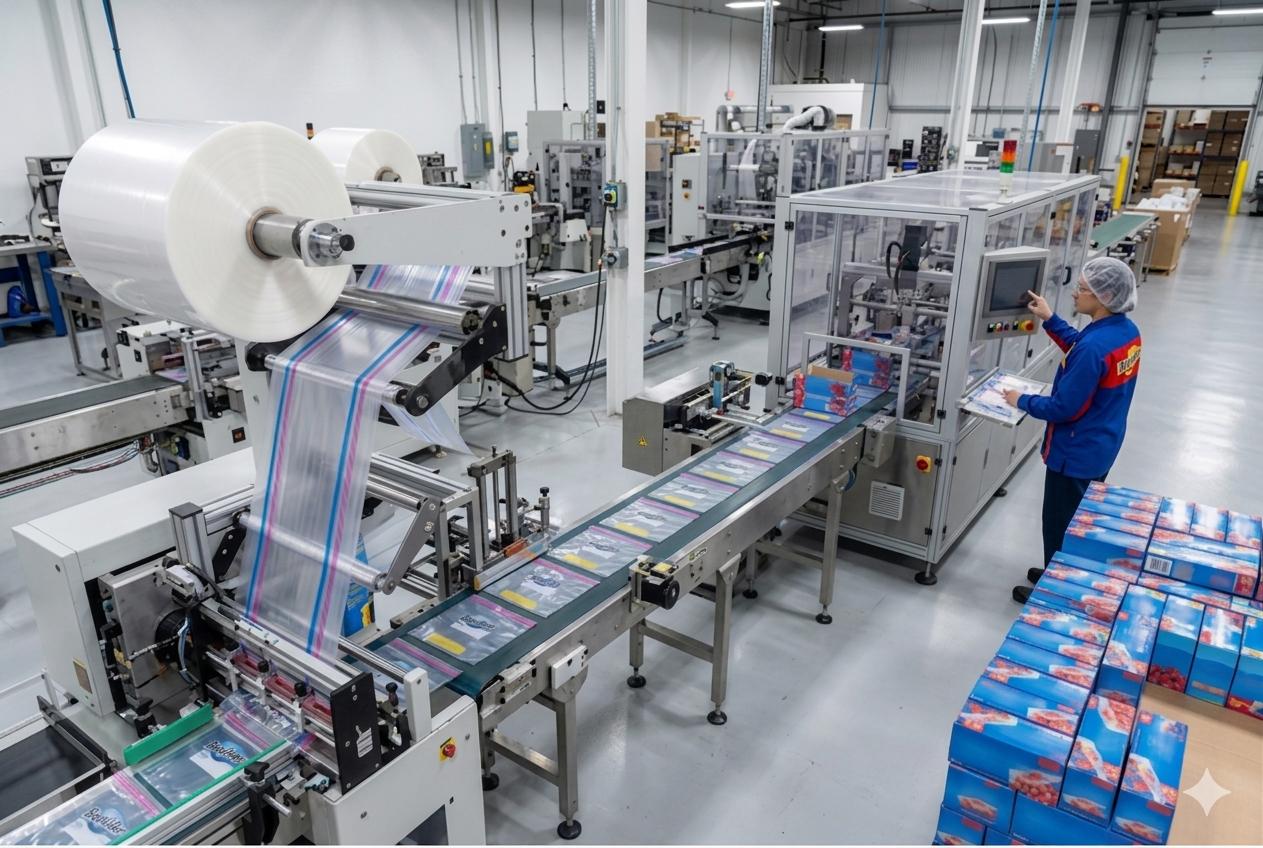
Standard Specifications
Zip seal bags are standardized around four primary sizes and two thickness grades. Whether you call them zip seal bags, zip lock bags, or simply ziploc bags, the underlying need is the same - a reliable, resealable closure that keeps contents fresh, contained, and protected. The table below maps the most commercially relevant size-and-grade combinations across the US market -
|
|
Gallon 10.5 × 11 in |
Quart 7 × 8 in |
Sandwich 6.5 × 5.8 in |
Snack 4 × 6 in |
|
Freezer Grade (45–80 microns) |
✓ |
✓ |
✓ |
✗ |
|
Storage Grade (15–45 microns) |
✓ |
✓ |
✓ |
✓ |
Freezer-grade bags use heavier-gauge film engineered to maintain flexibility and seal integrity through repeated freeze-thaw cycles. Storage-grade bags cover everything from ambient-temperature snack portions to refrigerator use — lighter, more cost-efficient, and sufficient for the majority of everyday applications. Snack bags are produced in storage grade only; at this size and gauge, the format is not designed for sub-zero conditions.
1. Snack Bags — 4 × 6 inches
The smallest standard format in the US consumer lineup, snack bags are designed for everyday ambient-temperature storage - portion-controlled snacks, small produce items, nuts, dried fruit, and similar contents. Standard thickness runs from 15 to 25 microns. At this size and gauge, the bags are lightweight and cost-efficient for high-volume use, and they're typically produced in LDPE with a single zipper closure.
2.Sandwich Bags — 6.5 × 5.8 inches
This is the most common packaging format found in American kitchens. Sandwich bags are suitable for holding packed lunches, deli items, and for short-term storage at refrigerator temperatures. The standard thickness ranges from 18 to 30 microns. Their proportions—slightly wider than they are tall—are designed to accommodate standard-sized sandwich slices, and American consumers are well-acquainted with sandwich bags from a wide variety of retail brands. Typically intended for use in ambient or refrigerated environments, sandwich bags are generally not suitable for long-term storage in a freezer. In the context of daily household use, when most people think of resealable bags, this is the specific shape that comes to mind.
3.Quart Bags — 7 × 8 inches
Quart and gallon formats are the most commonly specified zip seal bags for food storage, covering everything from meal prep to long-term freezer use. Thickness varies by application -
Storage grade - 25–40 microns — suitable for refrigerator storage, marinating, and liquid containment
Freezer grade - 45–70 microns — reinforced for sub-zero temperatures, maintaining flexibility and seal integrity through multiple freeze-thaw cycles
This format is commonly used for meal prep, sous vide cooking, and storing cut vegetables or portioned proteins. Freezer-grade quart bags typically feature reinforced zipper tracks and are labeled to FDA 21 CFR standards for food contact.
4.Gallon Bags — 10.5 × 11 inches
The largest standard consumer format, gallon bags are the go-to for bulk storage, batch cooking, and longer-term freezer use. Thickness again varies by intended application -
Storage grade - 30–45 microns — for ambient and refrigerator use, bulk dry goods, produce, and general kitchen storage
Freezer grade - 50–80 microns — for raw meat, large batch meals, and items intended to last weeks or months in the freezer
At this size, film gauge and seal strength become more critical — a gallon bag holding a full chicken or 2 lbs of ground beef places real stress on the zipper and side seams. Freezer-grade gallon bags should use thicker film and a reinforced closure profile.
5.Zipper Seal Types Single Zipper Double Zipper
US market zip seal bags are produced in two primary closure configurations -
Single zipper - One interlocking zipper profile. Standard for snack, sandwich, and most quart-size bags. Reliable for everyday use with normal contents.
Double zipper - Two parallel interlocking profiles, providing a redundant seal. More common in gallon-size and freezer-grade bags, as well as heavy-duty formats. The double seal significantly reduces the risk of accidental opening under load or during repeated use, and gives consumers a more confident tactile closure experience.
For food service and commercial applications, double zipper closures are increasingly specified as the default, particularly for bags used with liquids, heavy proteins, or in cold-chain environments.
6.Stand-Up Gusseted (Bottom-Gusset) Bags
Beyond flat zip seal formats, gusseted bags — also called stand-up pouches — feature an expandable bottom panel that allows the bag to stand upright when filled. This format is widely used in retail food packaging (coffee, snacks, pet treats, spices, frozen fruits) and is increasingly common in e-commerce fulfillment. The stand-up format maximizes shelf presence and allows for full-panel branding, while the resealable zipper extends product freshness after opening. Gusseted bags are available in both standard PE constructions and premium multilayer barrier formats depending on shelf-life and moisture-barrier requirements.
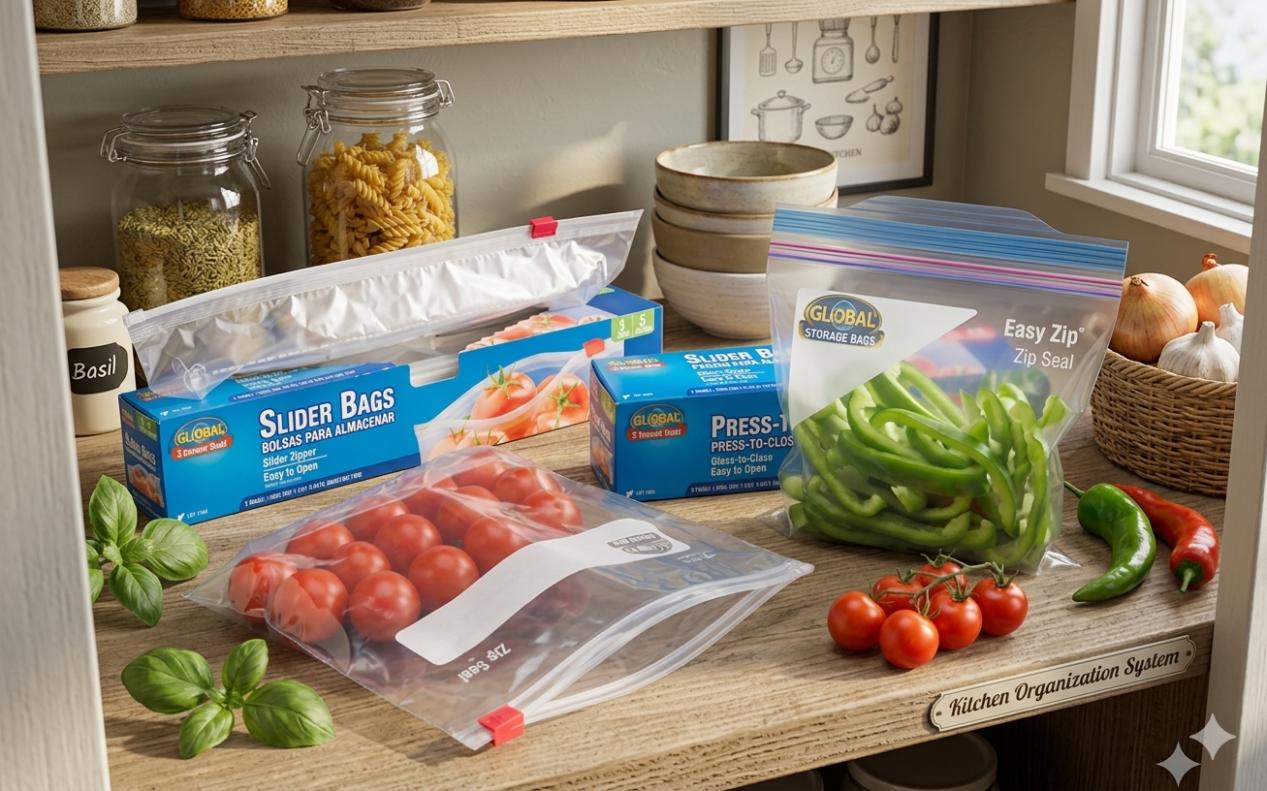
Special Features
Click-Sound Zipper Technology
The click-sound zipper features two interlocking profiles — a male and a female track. At least one profile has a discontinuous structure along its length, with small evenly spaced indentations built in. As the two sides press together, they snap segment by segment, producing a continuous audible click and a satisfying tactile feel from one end to the other.
Key Advantages
Instant seal confirmation — click and feel tell the user the bag is properly closed, no visual check needed.
Continuous sound along the full length — not just at the start and end like standard zippers, making every seal more reliable.
Broadly compatible — works on both single-track and double-track zipper bags across various styles and sizes.
Elevated user experience — a strong retail selling point that builds consumer confidence in product quality.
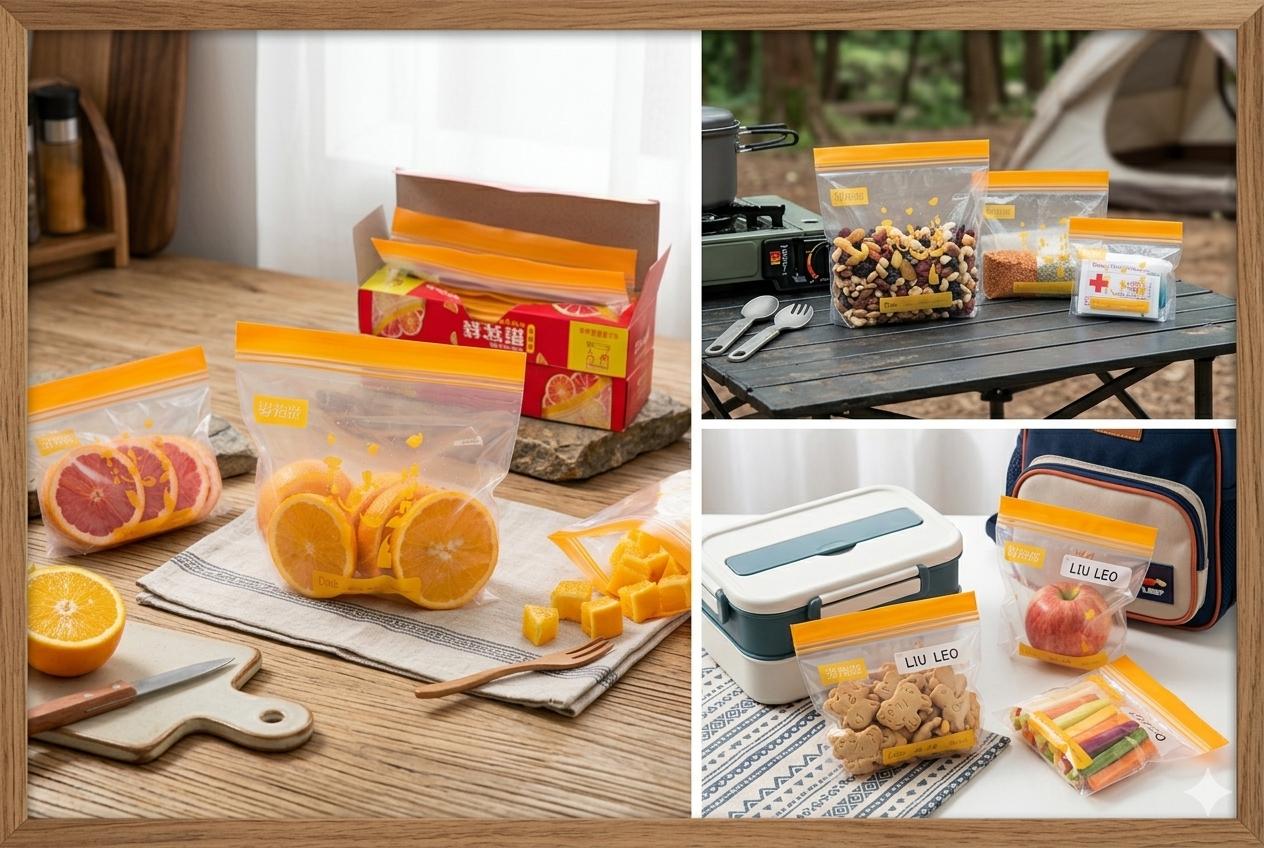
Single Zipper with Wide-Profile (Double-Track) Design
Featuring a single but wider and thicker zipper profile, this design offers a larger interlocking surface area for a tighter, more secure seal. Compared to standard single-track zippers, the wide-profile closure is more resistant to misalignment, provides better leak and moisture protection, and delivers a more solid feel when opening and closing. Ideal for food, liquid, or precision product packaging where a higher level of sealing performance is required.
Biodegradable Zip Seal Bags
As regulatory pressure on single-use plastics increases across the EU, North America, and Asia-Pacific markets, biodegradable zip seal bags have moved from niche to mainstream consideration for FMCG brands. These bags are produced from certified compostable materials — PLA, PBAT blends — and must meet both film and zipper-component biodegradability requirements to qualify for certification. For a full breakdown of material types, certification standards, and what to look for when sourcing, see the Biodegradable Zip Seal Bags section below.
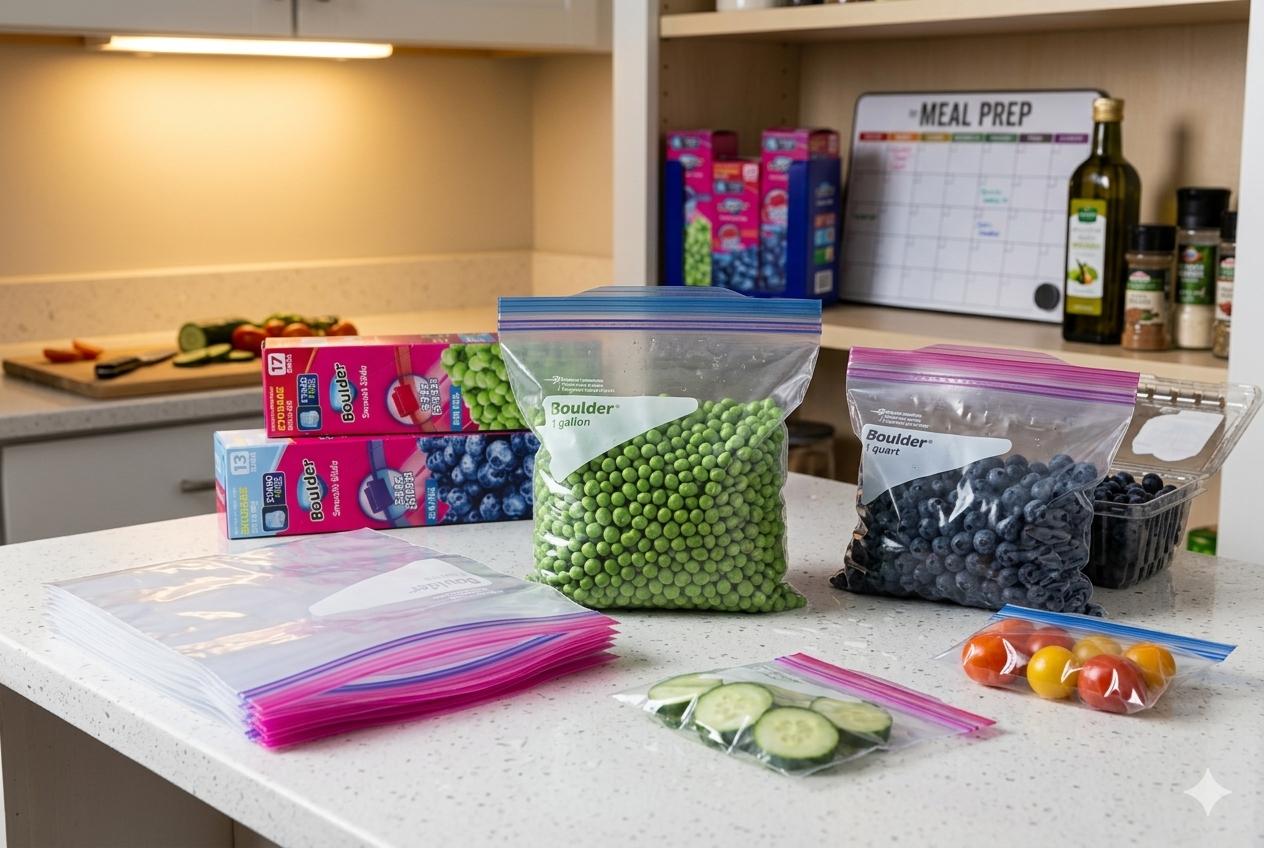
What B2B Buyers Should Know When Sourcing Zip Seal Bags at Volume
When purchasing self-sealing bags in bulk from Zip Lock Bags Suppliers, understanding the basics from the outset can save significant time and costs later. Here are four of the most important factors.
Always require verified lab reports — not just label claims. Depending on your market, look for FDA, REACH, or other relevant regional compliance documentation.
2.Consistency Across Batches
Seal strength and thickness tolerance should remain stable from one production run to the next. Request batch test data before committing to large orders.
3.Customization Flexibility
A capable manufacturer should be able to accommodate custom sizing, printing, and specifications without imposing unreasonably high minimum order quantities.
4.Sustainable Material Options
Even if sustainability is not an immediate requirement, choose a supplier who already has eco-friendly material options in place. Regulations and customer expectations are moving fast.
Common Pitfalls to Avoid
Using standard-grade bags for freezer applications — they are not designed for low-temperature performance. In cold environments, the bag material can become brittle and crack, leading to product damage, higher return rates, and a poor end-customer experience.
Selecting suppliers based on price alone, without evaluating quality consistency. When batch quality fluctuates, the consequences range from costly re-inspection and sorting all the way to large-scale returns and lasting damage to your brand reputation.
Treating all "biodegradable" claims as equivalent — always require third-party certification, not just packaging copy. If your products fail to meet compliance requirements in the target market, you risk shipments being held at customs, potential legal liability, and loss of market access.
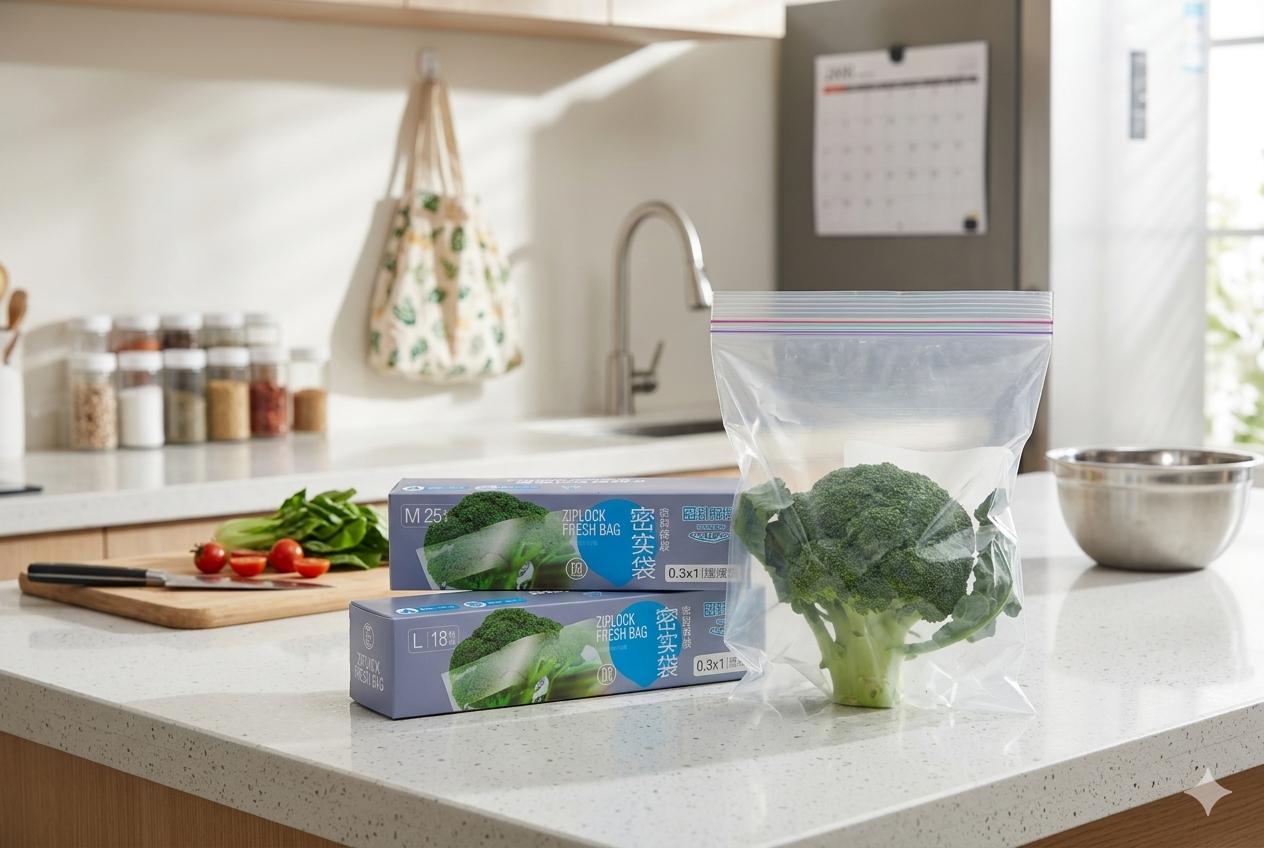
Purchasing at HUAYUE
Sourcing zip seal bags at volume is rarely straightforward. Between navigating certifications, managing batch consistency, and keeping up with evolving sustainability requirements, the complexity adds up quickly. Working with an experienced, large-scale manufacturer takes much of that burden off your plate.
With 30 years of experience as a Zip Lock Bag manufacturer, Huayue has established strong relationships with buyers in Europe and North America—markets with some of the most stringent compliance standards in the world. Here are Huayue's unique strengths.
Extensive experience with European and North American buyers, with a deep understanding of their quality, documentation, and regulatory requirements
Full customization capability across sizes, materials, printing, and specifications — with no unreasonable minimums
Comprehensive certifications covering FDA, REACH, and other major regional standards, with full lab documentation available on request
One of the few manufacturers capable of mass-producing PLA-based biodegradable zip seal bags, giving buyers a credible and certified sustainable option
Whether you are scaling up an existing product line or developing something new, Huayue has the capacity, expertise, and flexibility to deliver. We invite you to reach out and discuss your specific requirements.
Packing Solutions
Related Products

Tel: +86 18019228135
E-mail: alfredren@huayuepack.com
Address: No.228 ZhaiXing Rd, XinSheng Industrial zone, ZheLin Town, FengXian District, ShangHai, China.

Copyright © 2026 Huayue Group Plastic Packaging Manufacturers
