
 English
 Español
The Ultimate Guide to Flexible Garbage Bags - A Practical Tear-and-Leak Solution for Bulk Buyers
For retailers, private-label buyers, and commercial users, a bag failure is more than an end-user inconvenience - tears and leaks can drive complaints, replacements, cleanup time, and an inconsistent brand experience. Flexible garbage bags use an engineered micro-patterned surface that allows the film to extend and distribute stress under load rather than fail suddenly. This guide explains where that flexibility matters—from household retail programs to office, hospitality, and facility use—what buyers should compare, and how to prepare a reliable bulk-sourcing specification.
Why Flexibility Actually Matters
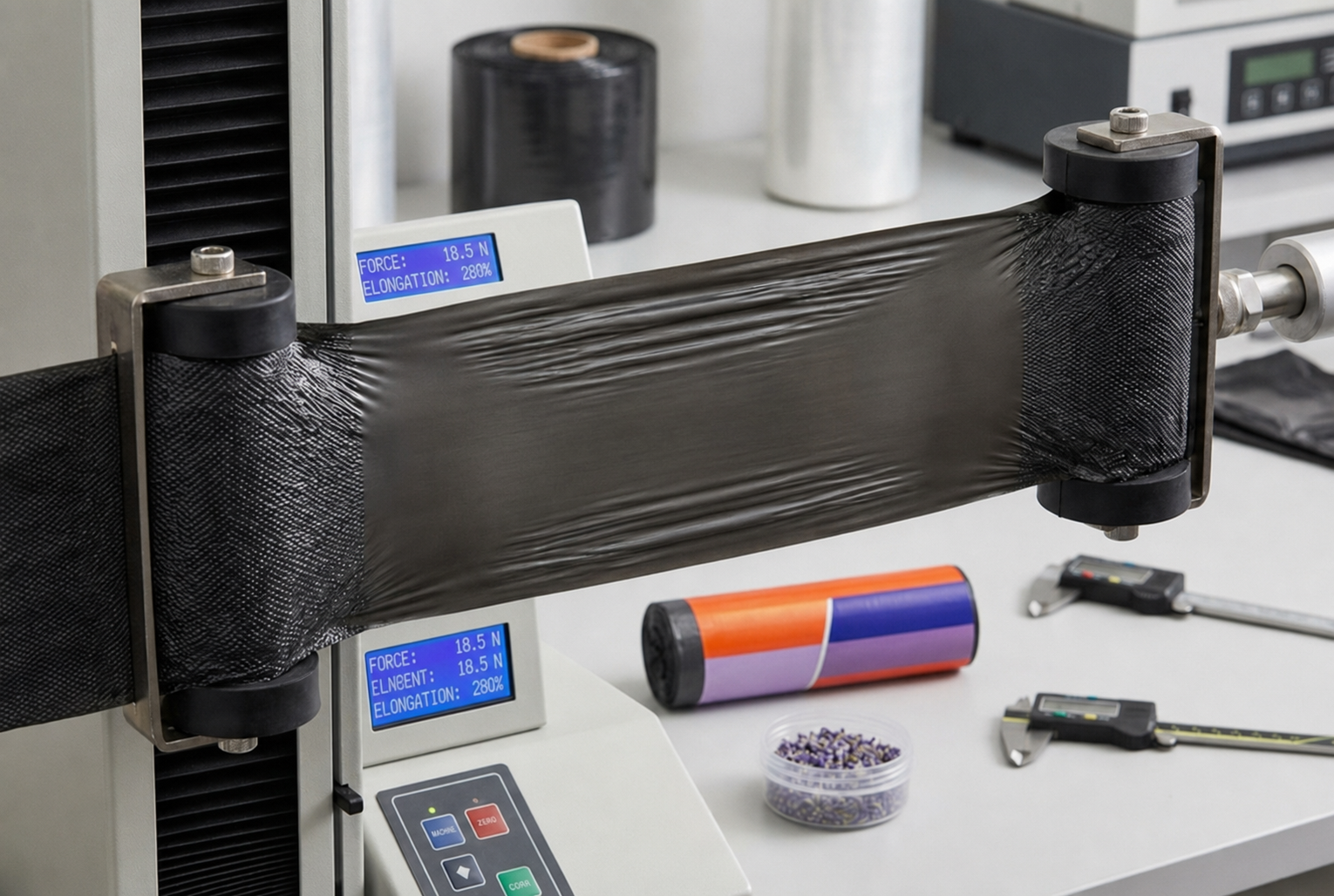
The flexibility discussed here comes primarily from the bag’s engineered micro-patterned surface, rather than simply from the resin type. The fine embossed texture creates controlled stretch zones, allowing the film to extend and distribute stress when the bag is loaded. This flexibility helps the bag accommodate bulky or irregular waste, reduces concentrated stress, and lowers the risk of sudden tearing and leakage. Material, gauge, and seal construction still affect overall performance, so buyers should validate the finished bag through stretch, puncture, tear, and seal tests under the intended use conditions.
Matching the Bag to the Situation
For Household and Retail Programs - Household use remains a core downstream demand - food scraps, packaging, and occasional sharp items require a bag that fits the bin, closes easily, and resists tears or leaks. Retailers and private-label buyers can translate that need into a SKU specification covering size, gauge, drawstring construction, pack count, carton configuration, and labeling.
In Offices and Small Businesses - Breakrooms and shared spaces generate a steady stream of light waste, but consistency matters more than raw strength here. Businesses often standardize on the same Kitchen Drawstring Trash Bags across multiple bins to simplify ordering and avoid mismatched sizing.
In Commercial Kitchens and Hospitality - Restaurants, hotels, and catering operations deal with heavier, messier waste — bones, oils, broken packaging — on a daily basis. For this application, buyers should choose heavy-duty flexible garbage bags and verify gauge, bottom-seal strength, puncture resistance, and fit under the intended wet and sharp-waste load.
In Industrial or Facility Settings - Warehouses, cleaning services, and facility management companies often need bags tailored to specific bin sizes, waste types, or color-coding systems for sorting. This is typically handled through Custom Flexible Garbage Bags, which allow businesses to adjust thickness, dimensions, and branding to fit exact operational requirements.
Key Checks When Sourcing Flexible Garbage Bags in Bulk
Importers, distributors, retailers, private-label buyers, and commercial operators all face the same risk when moving from a description on paper to a bulk order - a bag that reads well in a spec sheet but fails in actual use. The following four checks turn a general inquiry into something that can be validated through a sample and confirmed before a full production run.
Specification and Construction — What is the confirmed resin/blend, nominal gauge and tolerance, size, and seal/closure construction, including drawstring anchor strength for Kitchen Drawstring Trash Bags?
Sample Validation — Has the sample passed stretch, puncture, tear, seal, and bin-fit tests under the actual wet-waste and sharp-item load conditions?
Packaging and Commercial Terms — What are the pack count, carton configuration, label/private-label options, MOQ, and volume tiers, and how does landed cost compare after factoring in failure/replacement rate?
Supply Consistency — What is the peak-season lead time, how are repeat orders checked for quality, and how is batch-to-batch consistency maintained — especially for Custom Flexible Garbage Bags or when comparing Stretch-Resistant Kitchen Trash Bags Suppliers?
Why Businesses Choose Huayue Group
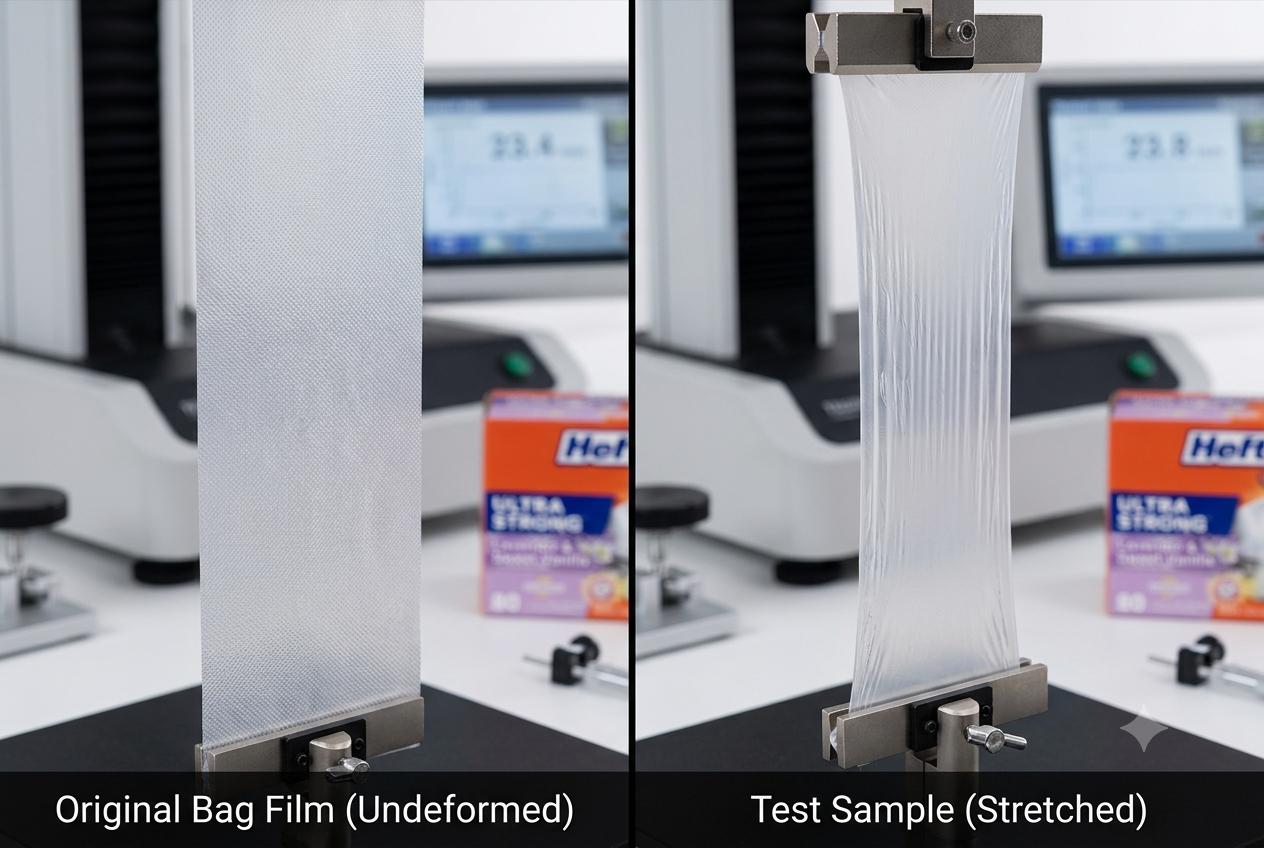
Huayue Group confirms the film's micro-patterned surface structure, size, gauge, closure, and seal construction against the buyer's specification before producing a sample, then tests it for stretch, puncture, tear, seal strength, and bin fit, recording results against the agreed criteria. This documented process is what sets Flexible Garbage Bags Manufacturers with verified testing apart from those relying on visual inspection alone.
Repeat orders are checked against the original approved specification to maintain batch-to-batch consistency, with peak-season lead times confirmed upfront so buyers can plan reorders in advance. Among Stretch-Resistant Kitchen Trash Bags Suppliers, this kind of documented reorder check is what keeps consistency intact across production cycles.
Final Takeaway
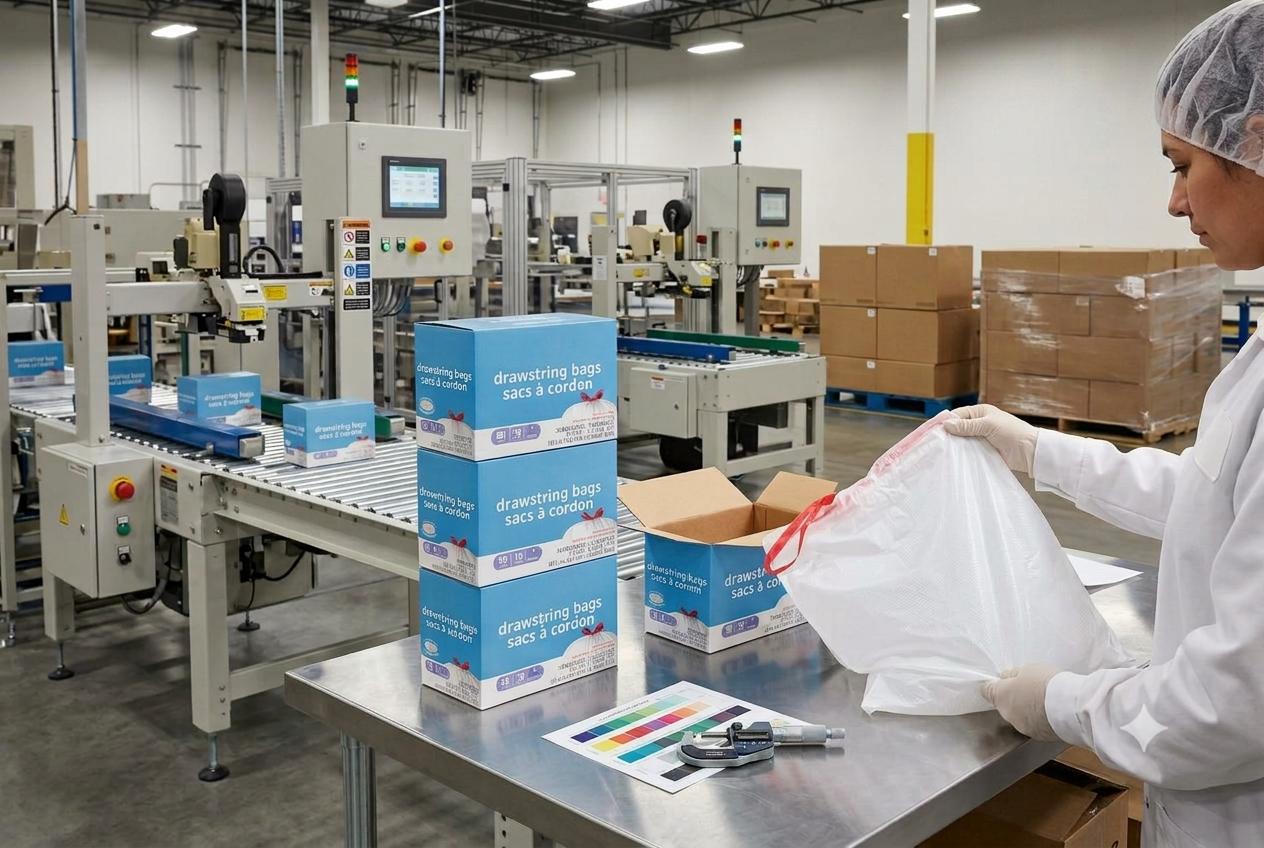
Bag failures become visible at the point of use, while the business effects appear as complaints, replacements, cleanup time, and supplier disruption. Retailers and private-label buyers should assess downstream performance together with pack format, labeling, and repeat-order consistency; commercial operators should match size, gauge, seal, and closure to the intended waste stream.
Send Huayue Group your required bag size, material or resin preference, gauge, closure and seal type, pack/carton format, expected order volume, destination market, and target schedule to arrange sample evaluation and a quotation.
Packing Solutions
Related Products

Tel: +86 18019228135
E-mail: alfredren@huayuepack.com
Address: No.228 ZhaiXing Rd, XinSheng Industrial zone, ZheLin Town, FengXian District, ShangHai, China.

Copyright © 2026 Huayue Group Plastic Packaging Manufacturers
