
 English
 Español
The Ultimate Guide to Block Header Plastic Bags - Applications, Specifications, and Sourcing
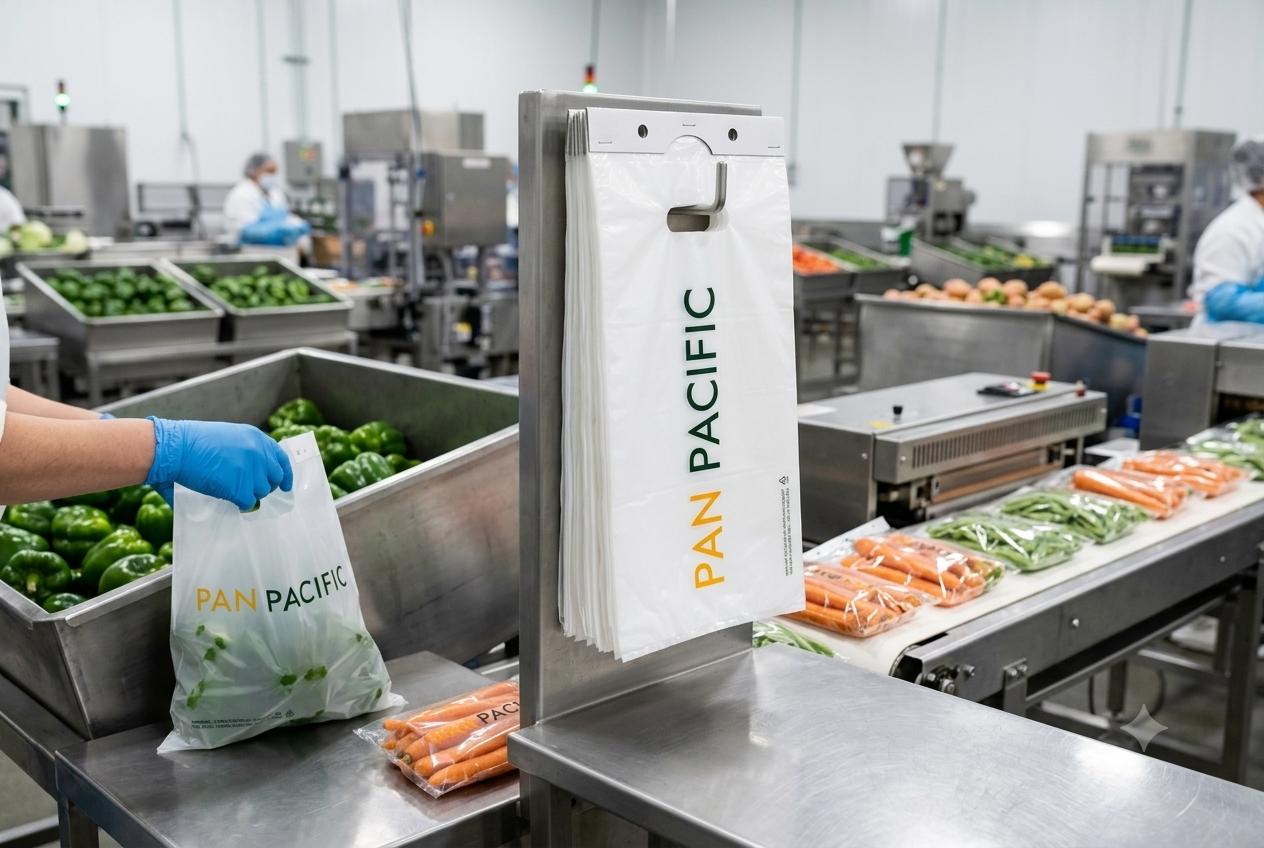
Block header bags are supplied in pads or blocks, mounted on a dispenser through the punched header, and separated one at a time along a perforation. They are designed for fast access in high-volume produce, food-service, hygiene, and light-industrial operations. This guide explains the key specifications, dispensing requirements, and sourcing checks for bulk buyers.
How It Differs From Other Bag Styles
- Bags on a roll— Roll-fed bags must be threaded onto a holder and torn off individually, with some risk of unwinding or jamming. Block header bags come pre-separated into blocks, so swapping an empty block is faster and more reliable.
- Loose flat bags— Loose bags are cheaper but require manual fanning or counting, often causing static-cling misfeeds (grabbing multiple at once). Block header bags stay pre-indexed on a dispenser, speeding up picking and cutting waste.
- Wicketed bags— Wicketed bags hang on a wicket bar and suit automatic or semi-automatic bagging machines. Block header bags are built for manual, single-bag pulls at a counter or workstation instead — the two aren't interchangeable on the same equipment, so confirm this before switching formats.
Where These Bags Are Used
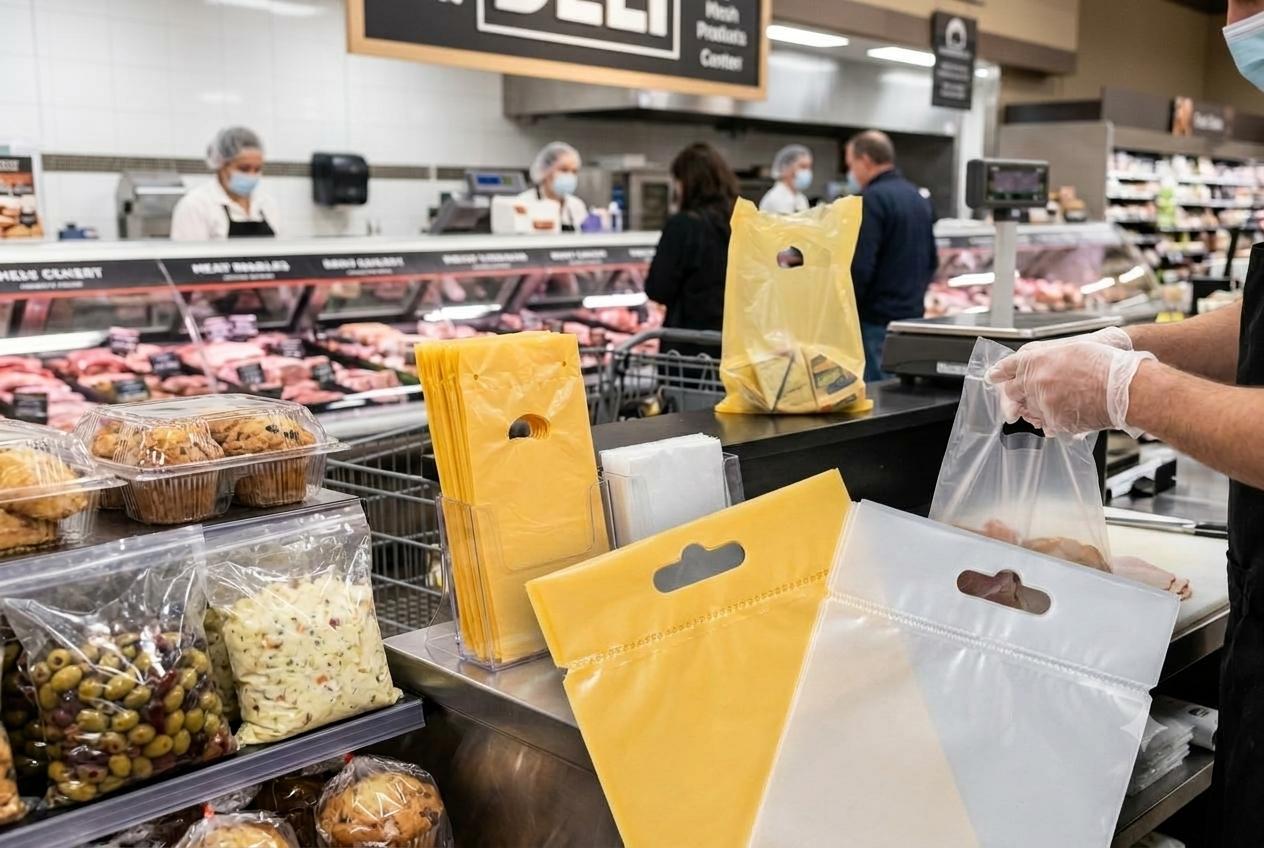
- Supermarket produce dispensing— Mounted at produce stands so shoppers or staff can pull one bag at a time without fumbling through a stack; supports high-turnover restocking during peak hours.
- Bakery, deli, and food prep counters— Used at service counters for wrapping or bagging items to order; quick one-handed retrieval keeps counter service moving during busy periods.
- Healthcare and hygiene settings— Used for glove disposal, specimen collection, or general hygiene waste where staff need a bag instantly without touching a shared roll or box, supporting infection-control workflows.
- Light industrial parts handling— Used at assembly or kitting stations to bag small components (fasteners, fittings, small parts) as they move through a line; reduces loose-parts spillage and supports fast, repeated bagging without re-threading supply. Many buyers in this segment move toward custom flat blocked header bags once standard sizes stop fitting irregular parts.
- Warehouse and fulfillment picking stations— Mounted near pick-and-pack stations for bagging small SKUs during order fulfillment; minimizes the pause between picks by keeping bags pre-staged and ready to pull.
What to Consider When Choosing Block Header Bags
- Material (HDPE/LDPE/LLDPE)— HDPE is stiffer and cheaper, good for lightweight dry goods; LDPE resists puncture better for sharp items like hardware; LLDPE adds stretch for heavier or irregular loads. Wrong resin for the load (e.g., HDPE on fasteners) causes tearing that only shows up after a full order is in use.
- Film thickness— Must match product weight, since the header punch is the first stress point. Too thin tears under load, raising waste and restock frequency; too thick adds cost and can slow dispensing.
- Seal strength and type (bottom/side)— A weak seal fails even with correct gauge, usually at the counter or in transit. Side seals open faster one-handed for high-frequency picking; bottom seals hold more weight. Mismatched seal type is a common, easily missed cause of breakage.
- Header width, punch, and perforation force— Too-high tear force rips the bag; too-low detaches multiple bags at once, wasting stock and slowing pickers. Header/hole spacing must match your dispenser exactly, or bags jam or drop mid-shift.
- Customization (size, printing, private label)— Sizing to actual product reduces overfill/underfill waste; printing needs a supplier with reliable registration, since defects often aren't caught until a batch ships. Locking every spec before quoting — a step that reputable block header plastic bags suppliers will always confirm in writing — avoids mismatched reorders and inaccurate pricing.
Sourcing - What Buyers Should Look For
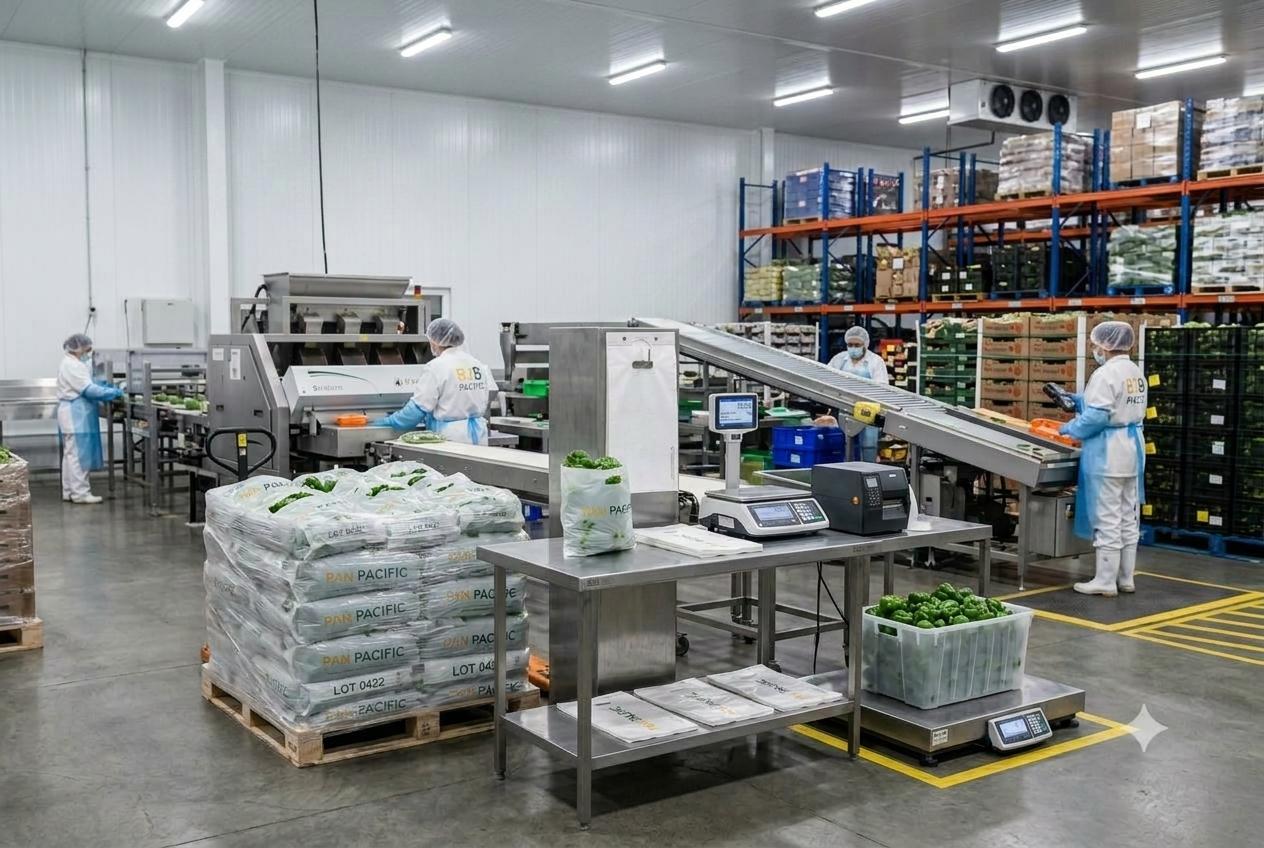
Because block header plastic bags are typically ordered in large volumes, sourcing decisions directly affect cost, consistency, and downtime. When comparing block header plastic bags manufacturers, check their control over the specifics that drive dispensing performance - header blocking, hole pattern accuracy, perforation tear-off force, bags-per-block count, and film gauge tolerance. Weak blocking or inconsistent perforation causes bags to pull off in clumps; hole pattern drift causes jams; uneven gauge causes tearing on retrieval. These issues translate into wasted bags, more frequent restocking, and lost time at the dispenser — costs that don't show up on a quote until the bags are in use. Working with block header plastic bags suppliers who can hold these tolerances consistently across repeat orders matters more, over time, than a low one-time quote.
For businesses with specific packaging needs — unique dimensions, private label printing, or particular film thickness for heavier loads — custom flat blocked header bags start with a quotation-ready spec sheet rather than a generic stock size. To get an accurate quote and confirm dispenser fit, buyers should submit - width × length, gusset (if any), material and gauge, header depth, hole pattern and spacing, bags per block, and printing requirements. Including a photo or sample of the target dispenser lets the supplier verify compatibility before production, avoiding mismatched header sizing or hole placement once the order arrives.
How Huayue Group Addresses These Criteria
Against the sourcing checks above, Huayue Group's capabilities are as follows -
- Gauge and dimensional tolerance— Film thickness held to ±10% of specified gauge; width/length tolerance within ±2mm on standard runs, confirmed against the buyer's spec sheet before production starts.
- MOQ for custom specs— Custom sizing, printing, or non-standard header widths accepted from 5,000 units per SKU, rather than requiring full-container minimums.
- Sample confirmation process— Pre-production samples (or a small pilot batch on customer-supplied dispenser photos/samples) provided for hole pattern and header-fit confirmation before the full order is committed.
- Lead time— Standard stock specs ship in 7–10 days after deposit; custom specs (new die-cut, printing plates) typically 15–20 days, confirmed at quotation.
- Inspection points— In-line checks on perforation tear-off force, block bond strength, and gauge consistency at set intervals per production run, with inspection records available on request.
- Export documentation— Handles commercial invoice, packing list, and certificate of origin preparation for standard destination markets; buyers should confirm specific document needs (e.g., fumigation certificates for wood pallets) at order time.
Final Takeaway
Block header bags perform well when the film, header, hole pattern, and perforation work as one dispensing system. Before placing a bulk order, confirm the full specification and test samples on the intended dispenser. Contact Huayuepack with your bag dimensions, material and gauge, bags per block, hole pattern, printing requirements, order volume, and destination market for a quotation.
Packing Solutions
Related Products

Tel: +86 18019228135
E-mail: alfredren@huayuepack.com
Address: No.228 ZhaiXing Rd, XinSheng Industrial zone, ZheLin Town, FengXian District, ShangHai, China.

Copyright © 2026 Huayue Group Plastic Packaging Manufacturers
