
 English
 Español
The Ultimate Guide to Biodegradable Zip Lock Bags - Materials, Applications, and Choosing the Right Supplier
For food brands, retailers, and distributors, evaluating biodegradable zip lock bags means balancing sustainability with real-world material performance. Today's advanced PLA and PBAT blends ensure environmental responsibility without compromising on load-bearing strength or leak-proof closures. This guide covers material capabilities, versatile retail applications, and how to choose reliable biodegradable zipper bags suppliers.
What Are Biodegradable Zip Lock Bags?
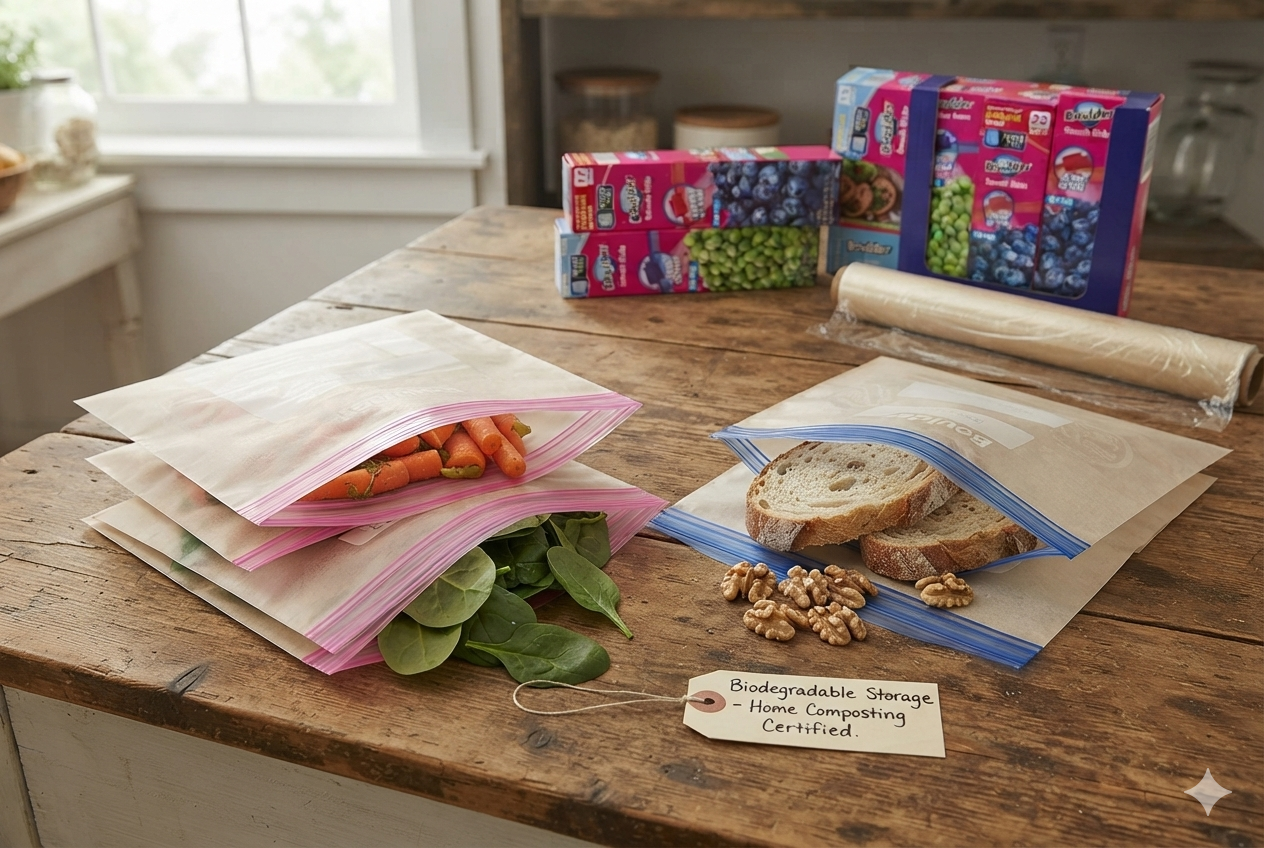
Unlike traditional plastics, these resealable packaging solutions are crafted from specific bio-based blends—such as PLA, PBAT, and corn starch. Rather than relying on vague green claims, authentic biodegradable zipper bags are engineered to break down under defined disposal conditions, like decomposing naturally within 6 to 12 months in moist soil without leaving harmful residues behind.
Common Materials
Material formulation dictates performance, price, and disposal. Note that “bio-based” doesn't automatically mean biodegradable. Instead of evaluating single resins, procurement should focus on proven blends. For example, combining PLA, PBAT, and corn starch achieves an optimal balance of flexibility and load-bearing strength. Since seal integrity depends heavily on manufacturing processes, always request sample custom biodegradable zip lock bags to verify airtight closures and durability under your specific application conditions.
Where They Work Best
Procurement should align bag capabilities with specific end-use requirements. For food and grocery applications—like snacks, sandwiches, or frozen fruits—airtight, leak-proof closures and low-temperature durability are critical to maintaining freshness and reducing spoilage. For retail, apparel, and e-commerce, the focus shifts to repeated resealability and structural integrity to protect items during transit. Ultimately, delivering this combination of reliable performance and everyday household convenience protects your brand reputation and minimizes consumer return risks.
Biodegradable, Compostable, and Recyclable - Verifying Environmental Claims
For procurement, vague “eco-friendly” labels present a compliance risk. “Biodegradable” must always be tied to specific testing conditions—for instance, high-quality bags are verified to break down naturally within 6 to 12 months in moist soil, leaving no harmful residues. “Compostable” demands strict adherence to either industrial or home standards (which are not interchangeable), while biodegradable materials typically cannot enter traditional plastic recycling streams. Reliable biodegradable zip lock bags manufacturers will provide exact disposal guidelines and documentation to ensure your packaging matches your target market’s waste infrastructure.
Key Quality Checks
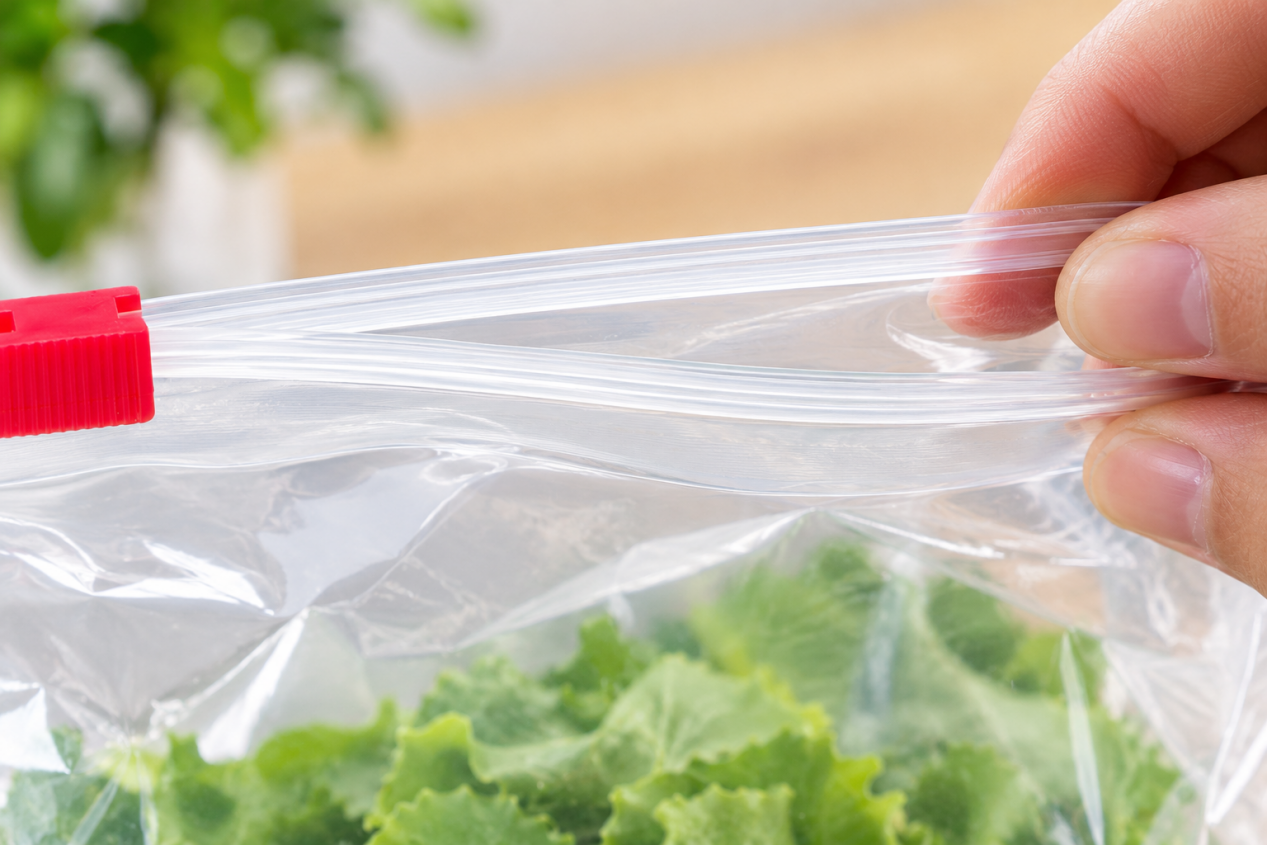
When evaluating samples, request current documentation verifying that the entire finished product—including films, zippers, and inks—complies with specific environmental standards (such as EN 13432 or ASTM D6400) and your destination market's food-contact regulations. Instead of relying on generic thickness specs, conduct physical evaluations using your actual contents. Test side-seal integrity, barrier performance, and the zipper’s ability to withstand repeated resealing and weight stress under real-world distribution conditions. Ensure any printing inks maintain strong adhesion and fall within the certified environmental scope. Finally, because bio-based materials naturally age, confirm optimal shelf-life and storage guidelines to prevent premature degradation.
Evaluating Suppliers & Fulfilling Orders
Compare biodegradable zipper bags suppliers not by generic marketing claims, but by their ability to manage both compliance documentation and operational fulfillment. A qualified supply partner must validate environmental claims with current certifications, handle smooth sampling workflows, and communicate transparently regarding MOQs, packing configurations, and lead times. Ultimately, the ability to control repeat-order quality and coordinate timely delivery is what secures a dependable supply chain.
Partnering with Huayue Group for Custom Solutions
As experienced biodegradable zip lock bags manufacturers, Huayue Group translates your specific packaging requirements into verifiable production workflows. Because off-the-shelf options rarely meet specialized structural or branding needs, our core focus is engineering custom biodegradable zip lock bags. Buyers can specify precise dimensions, film thicknesses, zipper profiles, structural gussets, and print designs—all critical factors that directly improve your filling-line efficiency and shelf recognition.
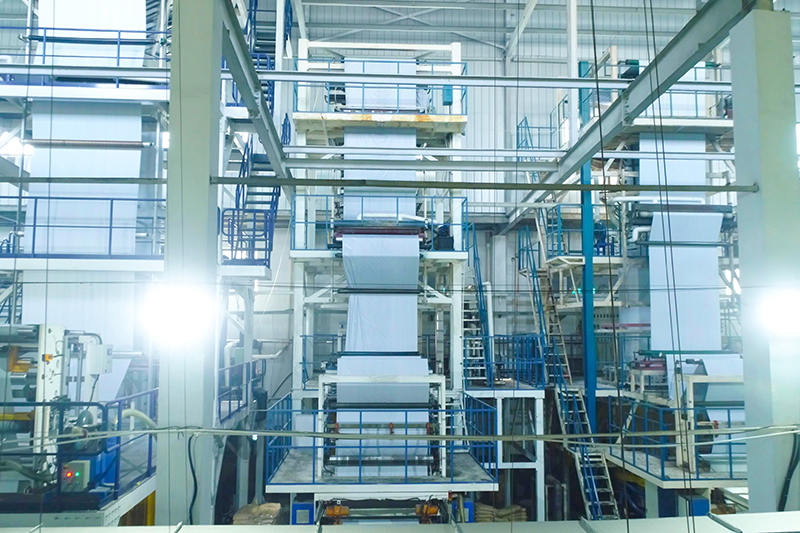
Instead of empty promises, our collaboration process is strictly evidence-based. From initial material and artwork approval to rigorous mass-production QC (checking zipper retention, side-seal integrity, and material consistency), we ensure every batch meets your approved specifications. By combining versatile compostable formulas with comprehensive support in export documentation and standardized shipping, Huayue delivers packaging that is compliant, consistent, and ready for your target market.
Checklist - What to Include in Your Request for Quote (RFQ)
To ensure accurate pricing and fast sample turnaround, streamline your inquiry by providing the following details -
- Bag Specifications - Exact dimensions, film thickness, and bag style (e.g., flat, stand-up, gusseted).
- Product & Application - The specific item being packaged, its weight, and storage environment (e.g., room temperature, freezer).
- Customization Needs - Preferred zipper type, required print designs, and finish (matte/glossy).
- Compliance Requirements - Target market regulations and required environmental standards (e.g., EN 13432, specific food-contact guidelines).
- Volume & Logistics - Estimated order quantity and preferred carton packing configurations.
Final Takeaway
To discuss sample availability or request a precise quotation, simply share the checklist details above with the Huayue Group team. We will review your application and provide suitable options backed by the relevant compliance documentation. Contact us today to start engineering your custom biodegradable zip lock bags.
Packing Solutions
Related Products

Tel: +86 18019228135
E-mail: alfredren@huayuepack.com
Address: No.228 ZhaiXing Rd, XinSheng Industrial zone, ZheLin Town, FengXian District, ShangHai, China.

Copyright © 2026 Huayue Group Plastic Packaging Manufacturers
