 English
 Español
The Challenge — Balancing Retail Durability and Unit Margin
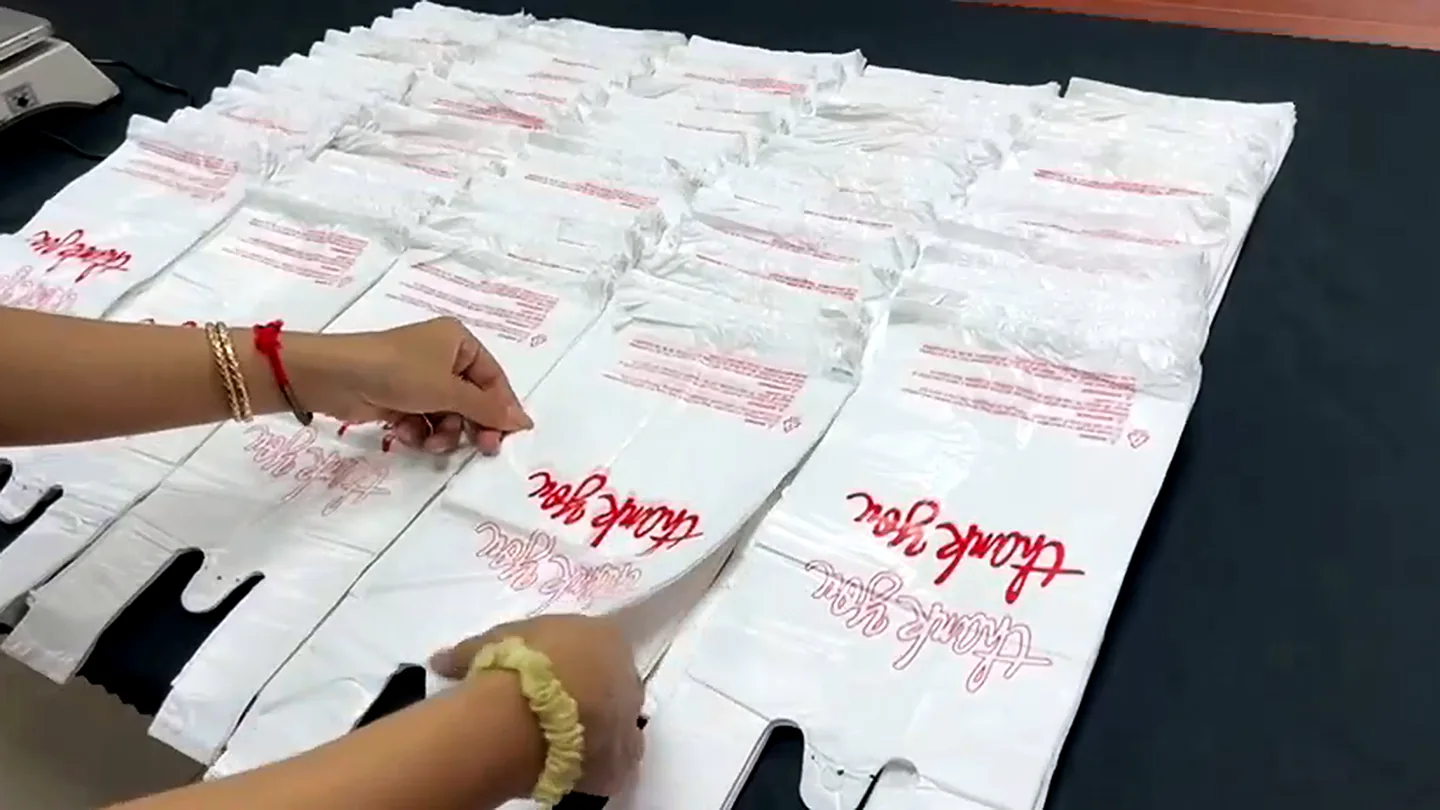
In competitive North American retail aisles, private-label trash bags face intense scrutiny on both price and performance. A Canadian packaging retailer supplied Huayue Group with multiple leading market trash bag samples and asked a clear commercial question: how do we engineer the strongest overall production formula without over-paying for resin?
Evaluating polyethylene trash bags by manual hand-feel alone is notoriously misleading. Two bags that feel identical in gauge can exhibit dramatic differences in dart-drop puncture resistance, cross-direction tear propagation, and bottom-seam integrity. Relying on subjective feel risked two costly outcomes: either over-specifying expensive virgin resin and eroding retail margin, or shipping inconsistent film prone to puncture failures, seam splits, and customer returns.
The Huayue Solution — 5-Point Dual-Track Resin Diagnostics
Rather than guessing a resin recipe behind closed doors, Huayue Group cataloged every market benchmark sample and executed a fully transparent, dual-track R&D protocol in our in-house ASTM laboratory:
Track A — Senior Engineer Tactile & Film Drape Benchmark
Before samples ever enter a testing machine, senior film extrusion engineers evaluate real-world consumer touchpoints—film drape, crispness, hand-feel, roll-dispensing smoothness, and visual opacity—establishing a baseline for shelf perception.
Track B1 — Tensile Strength & Elongation Testing (ASTM D882)
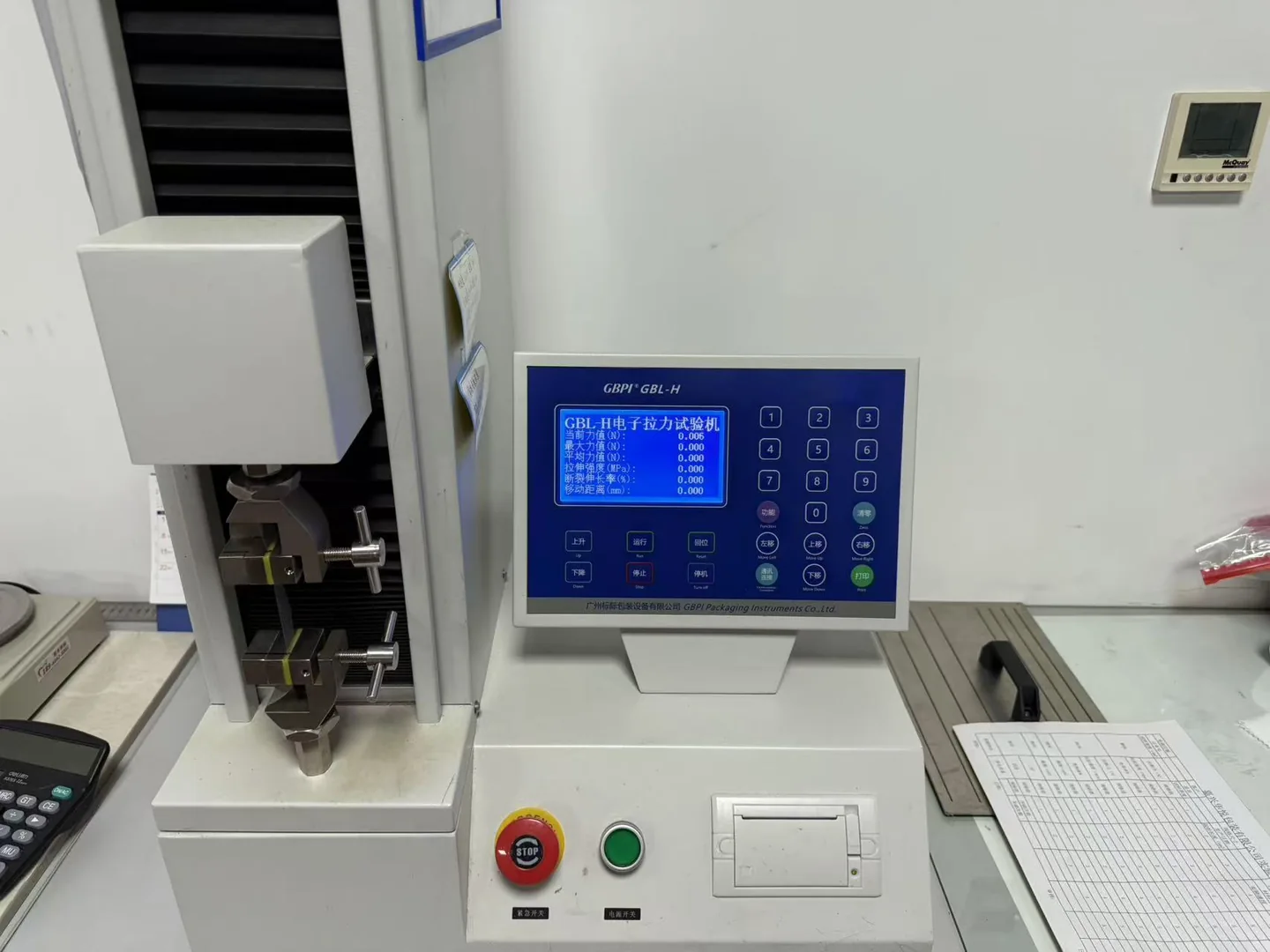
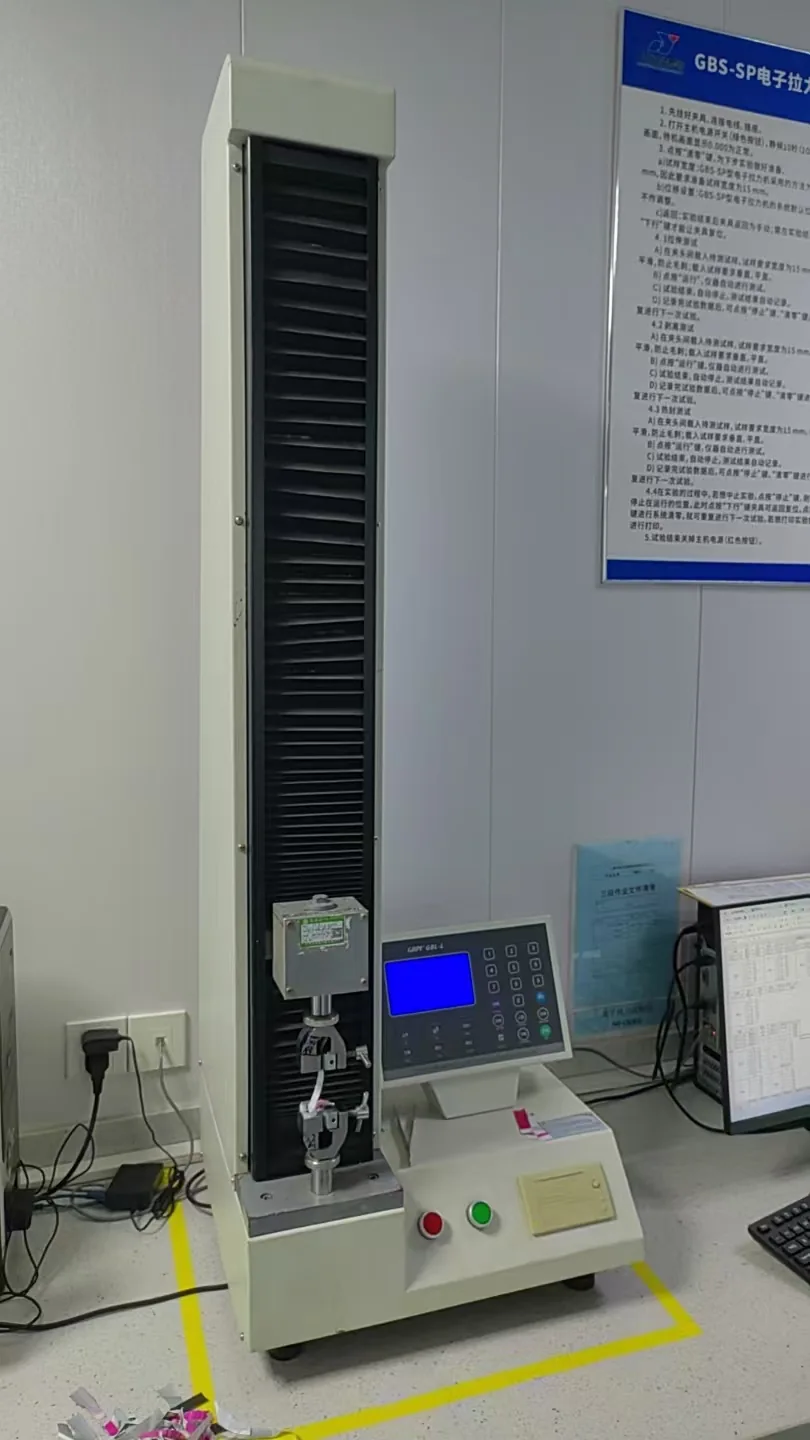
Using our GBPI electronic universal tensile testers, we measure both machine-direction (MD) and transverse-direction (TD) load limits and elongation-at-break. This quantifies how far a loaded trash bag can stretch under heavy household or contractor loads before snapping.
Watch: Live ASTM D882 Film Tensile & Elongation Test
The in-house electronic tensile column measures how the film stretches and breaks under load.
Track B2 — Tear Resistance (ASTM D1922) & Dart Drop Impact (ASTM D1709)
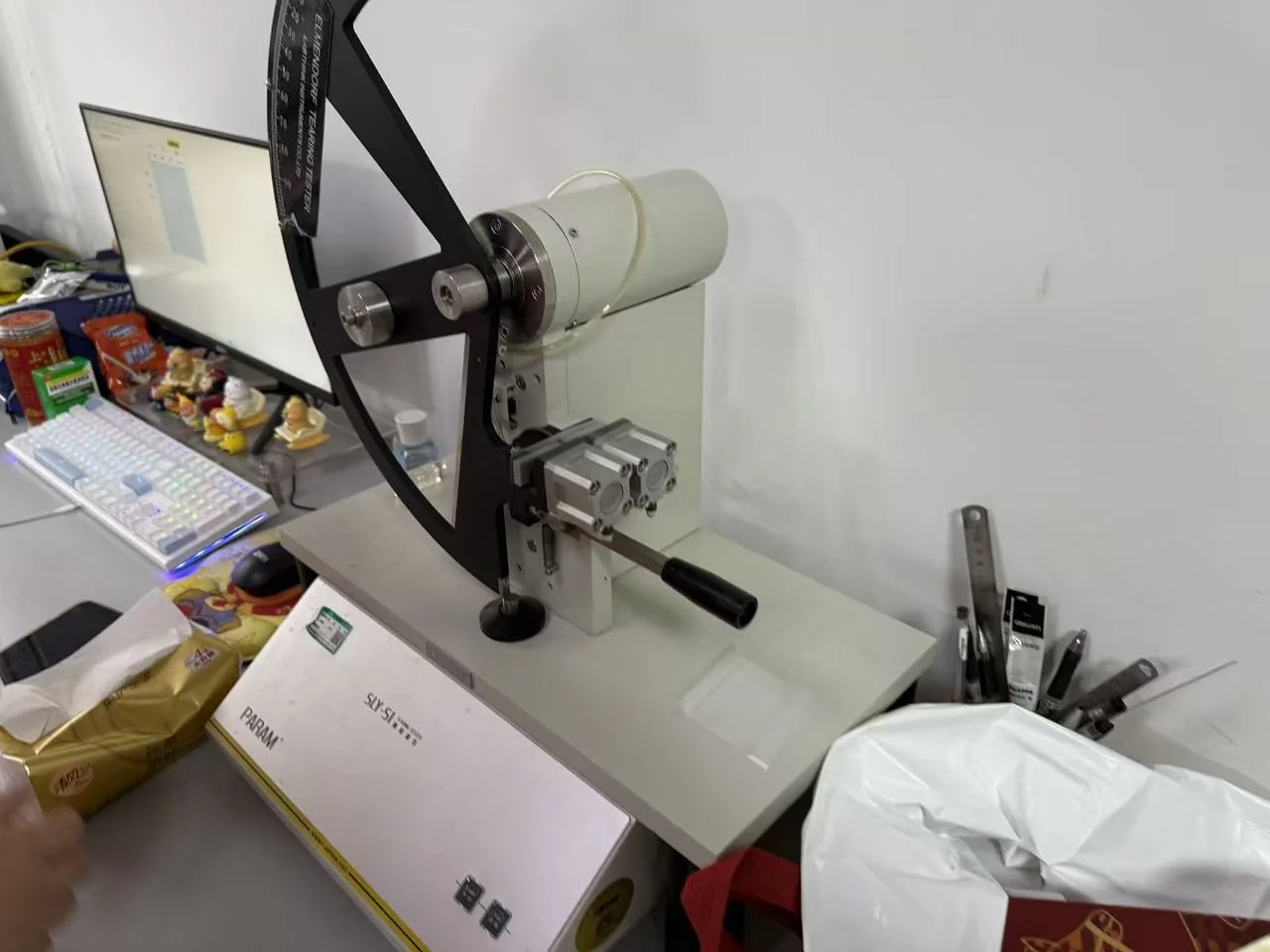
Sharp kitchen waste and uneven loads test a bag's resistance to sudden puncture and runaway tearing. Our lab runs standardized Elmendorf pendulum tear tests (ASTM D1922) and falling dart impact tests (ASTM D1709) on calibrated PARAM BMC-B1 equipment to expose hidden strength swings across competitor samples.
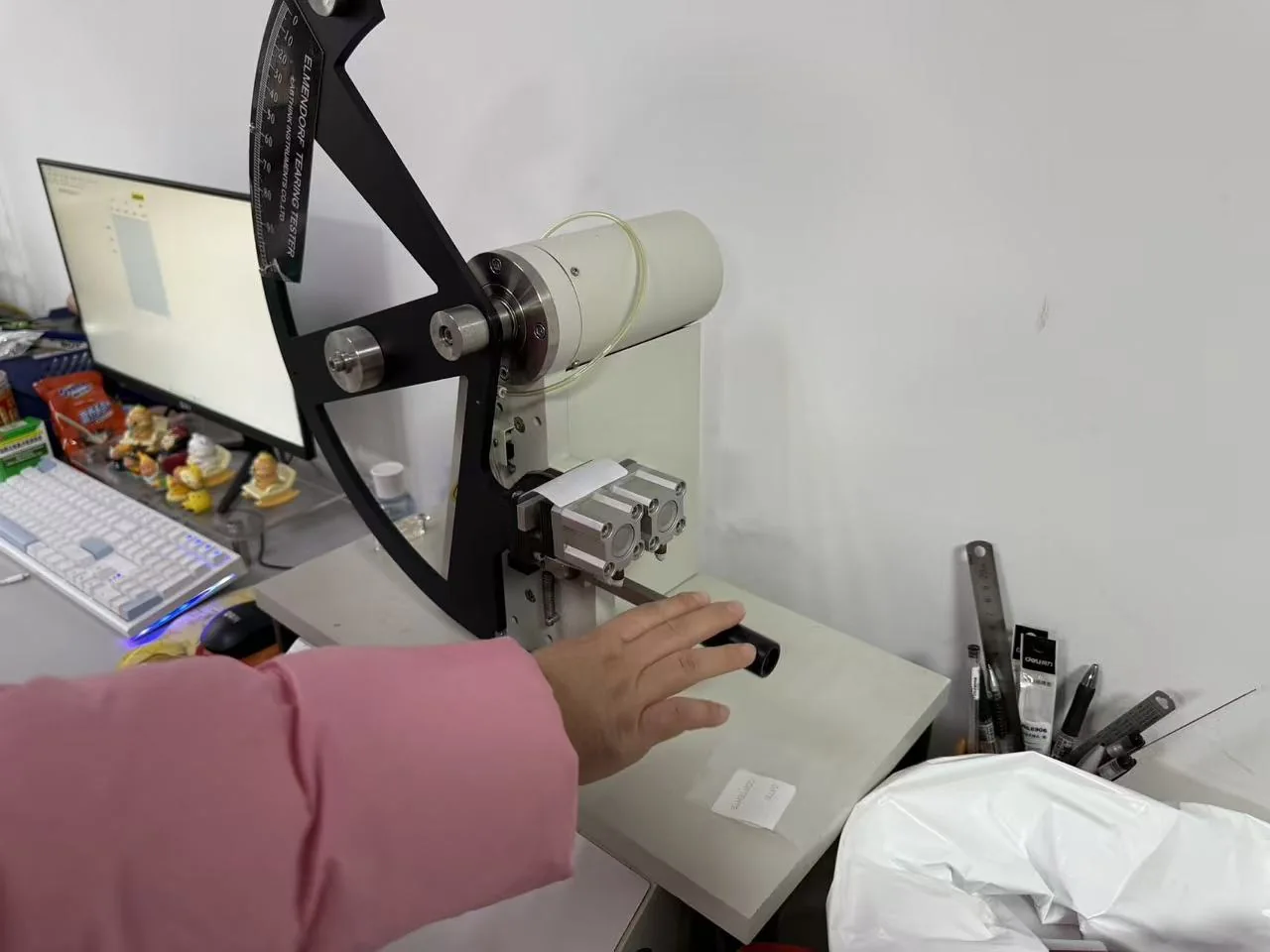
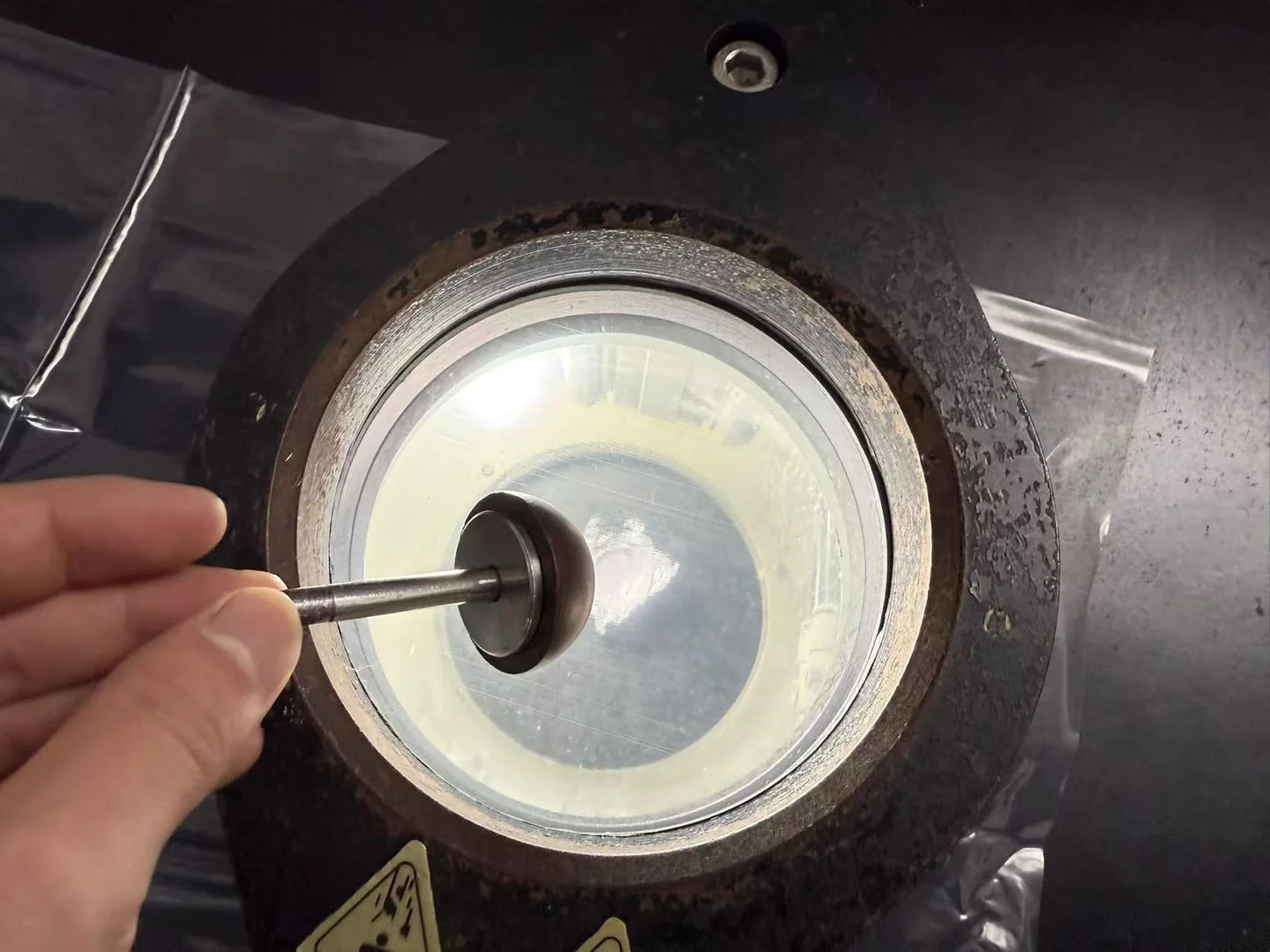
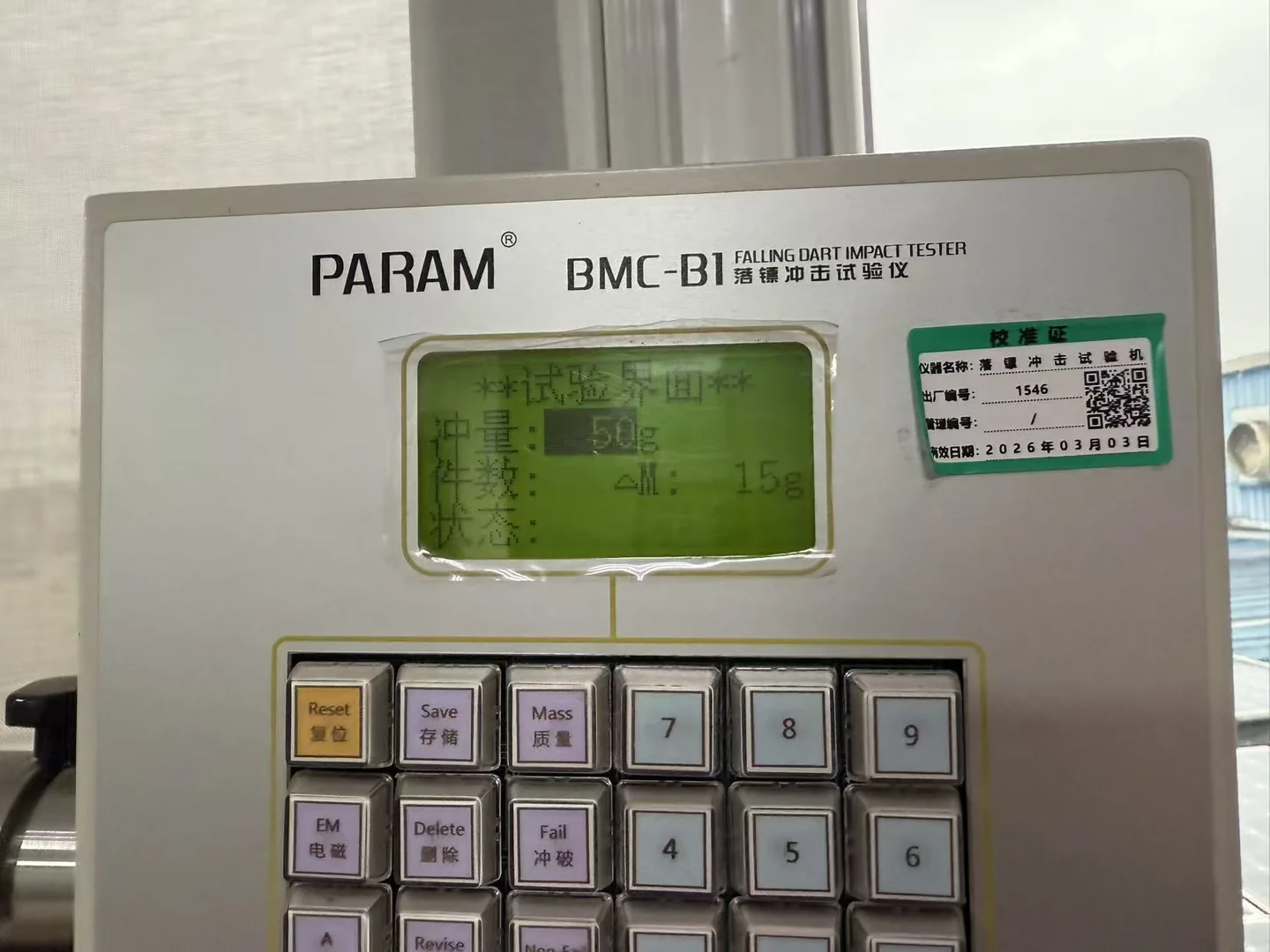
Track B3 — Seal Strength, Leak Integrity & Burn Ash-Content Analysis
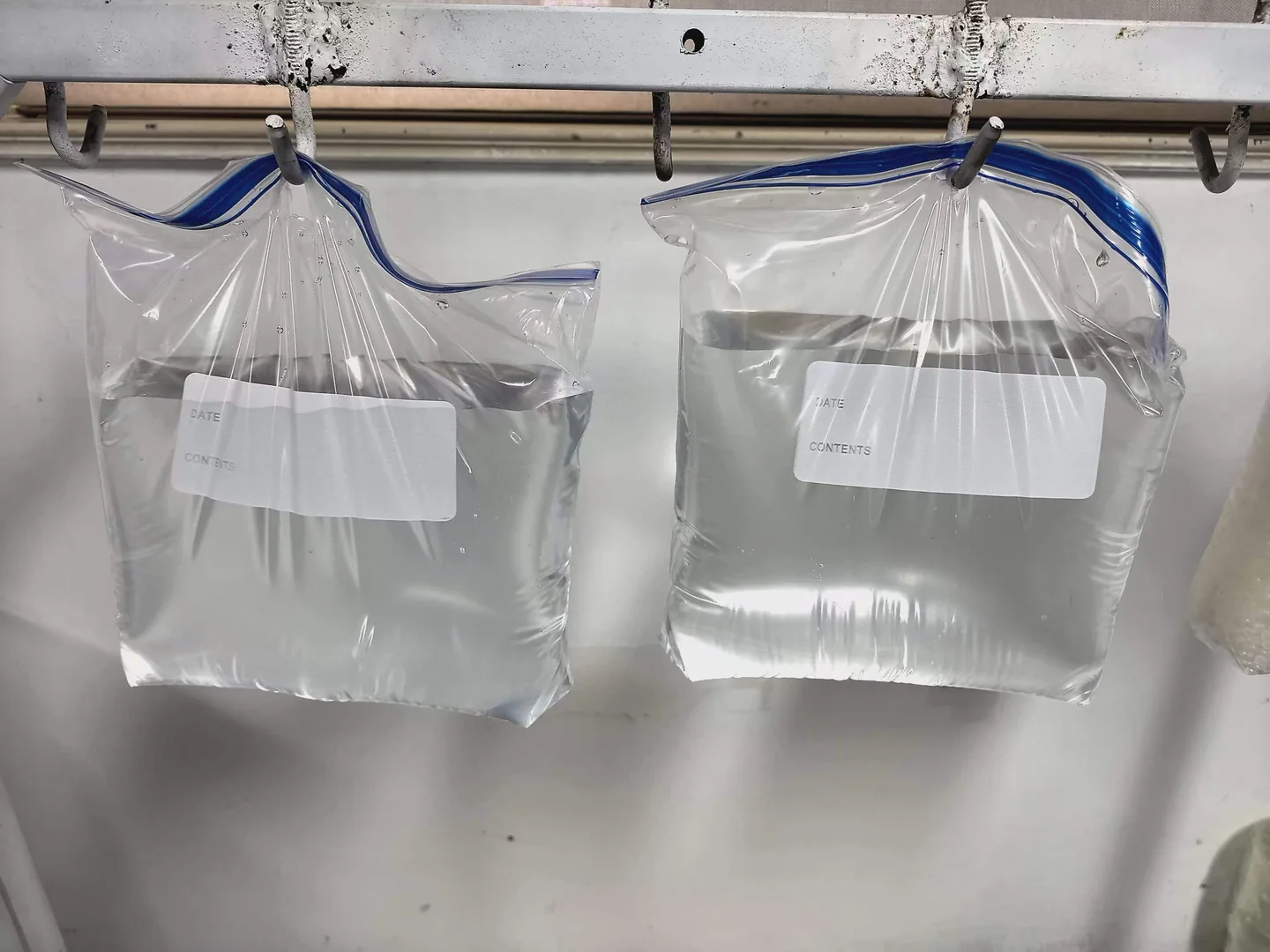
A high-strength film still fails if its bottom or side seal splits under wet load. Beyond mechanical pull tests, we perform real-world hydrostatic water-fill and hanging-load endurance checks alongside burn ash-content testing. Ash-content analysis reveals exact inorganic filler percentages (such as calcium carbonate) versus active polymer resin—enabling us to engineer the most cost-effective resin-to-filler balance.
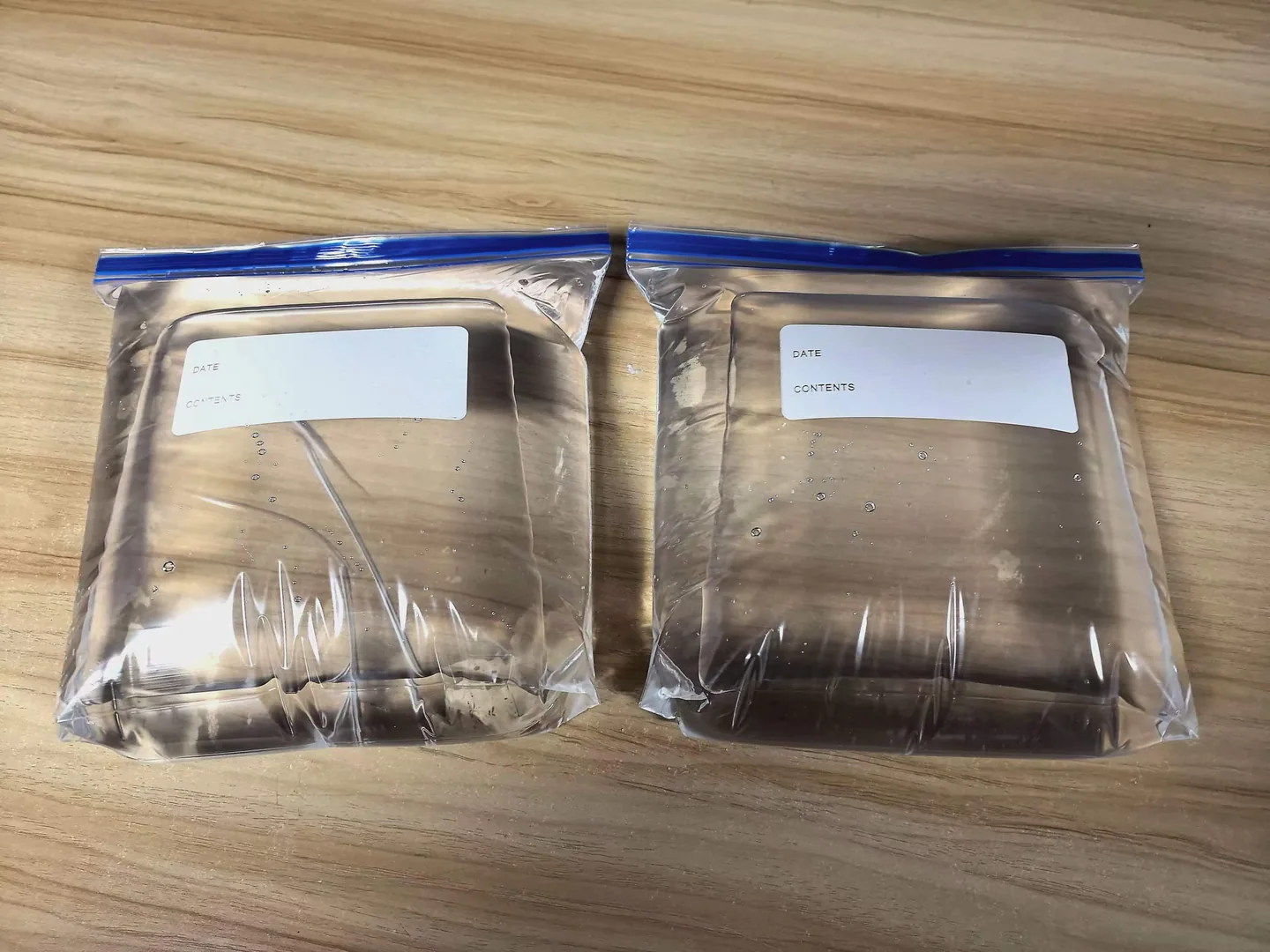
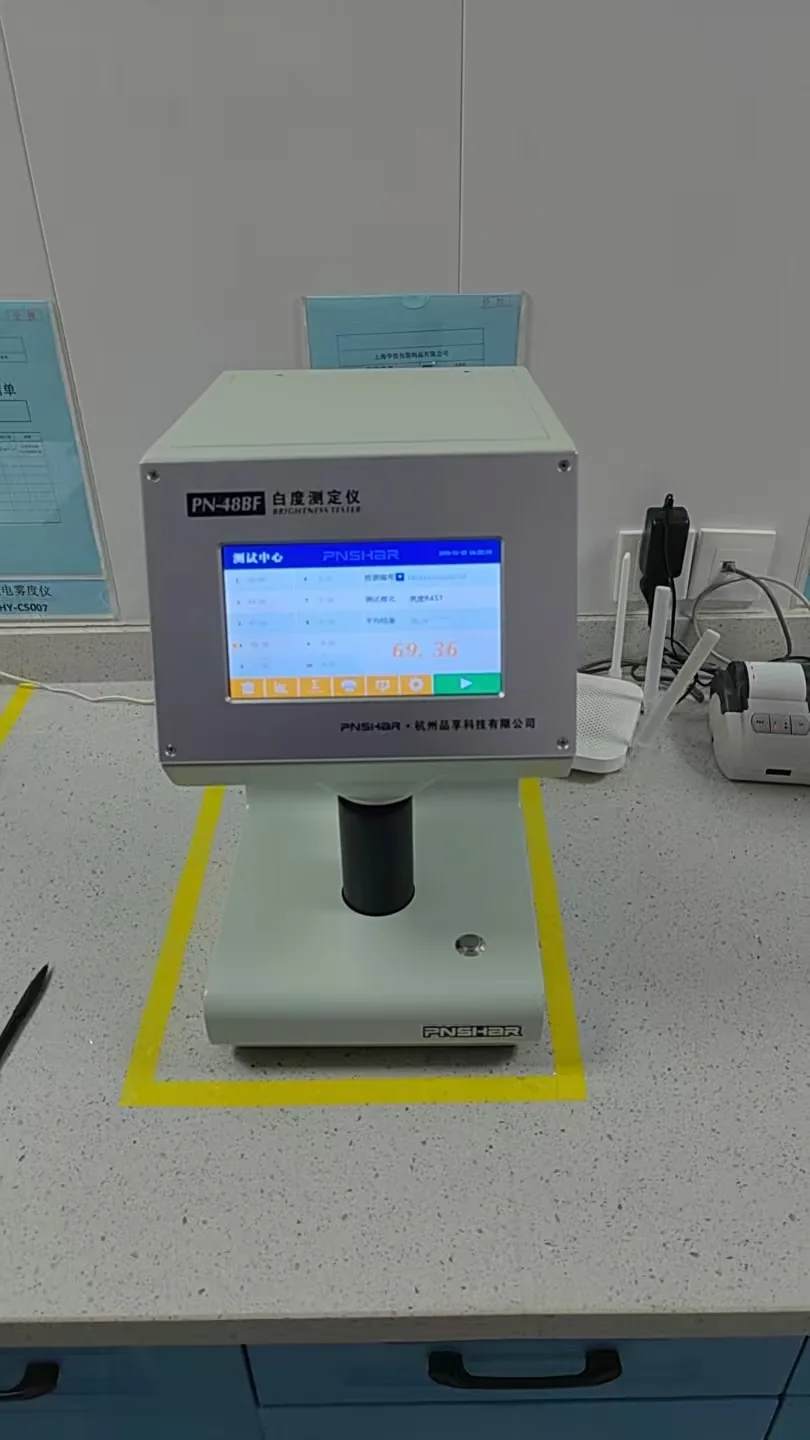
Inside Huayue Group's Dedicated In-House ASTM Lab Suite
Every resin recipe is verified in-house before commercial blown-film scale-up. Having calibrated tensile, dart-drop, pendulum tear, and precision thickness gauges under one roof eliminates third-party lab delays and guarantees batch-to-batch repeatability.
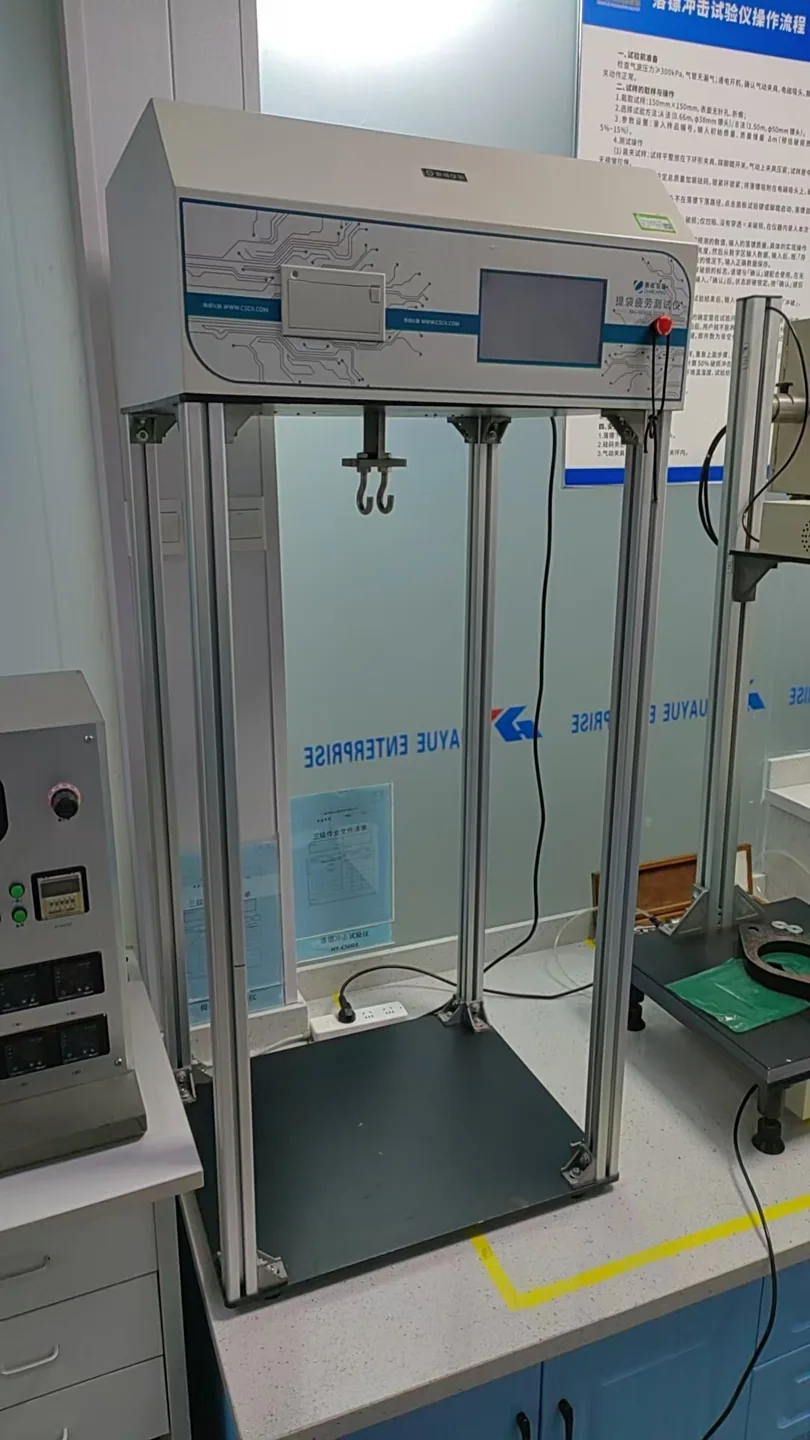
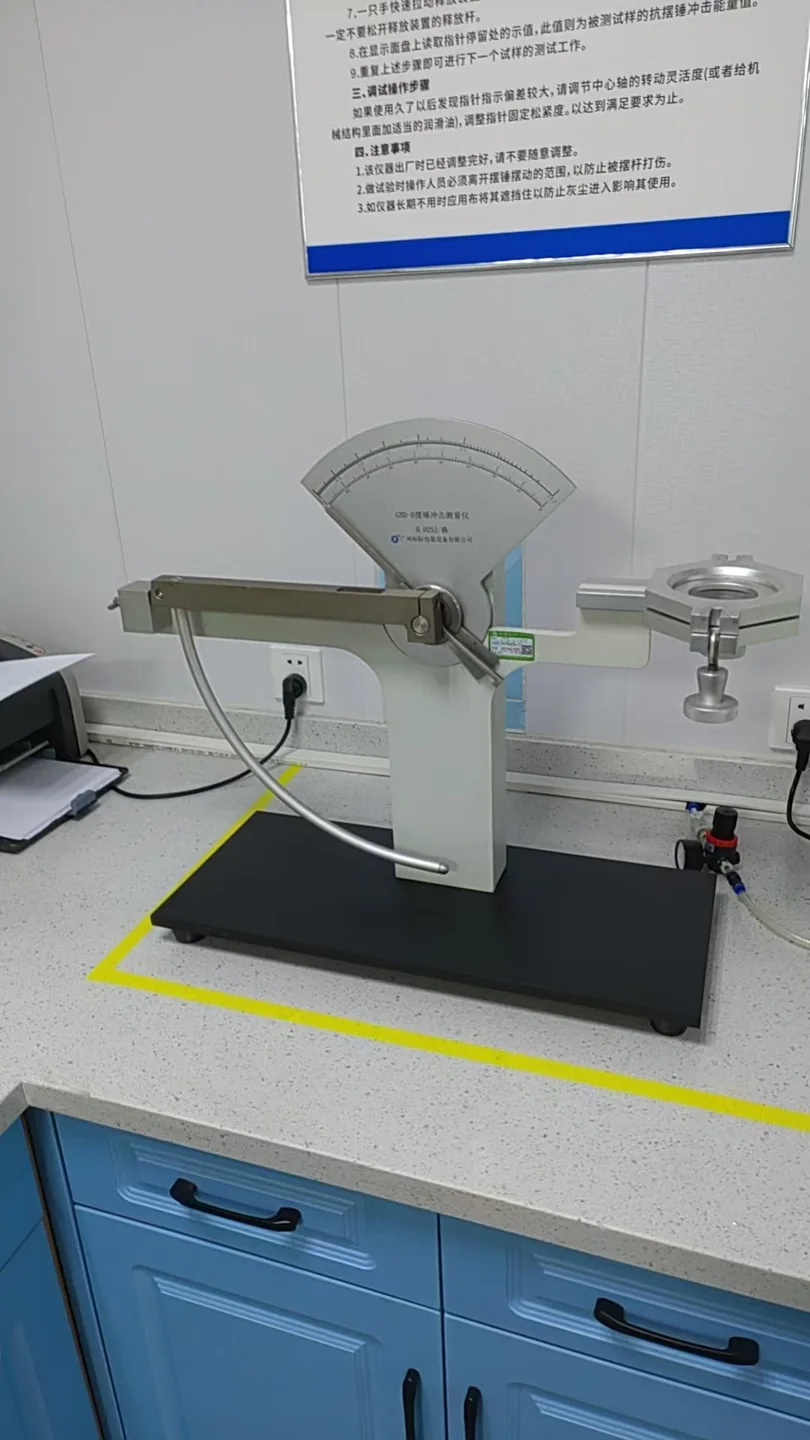
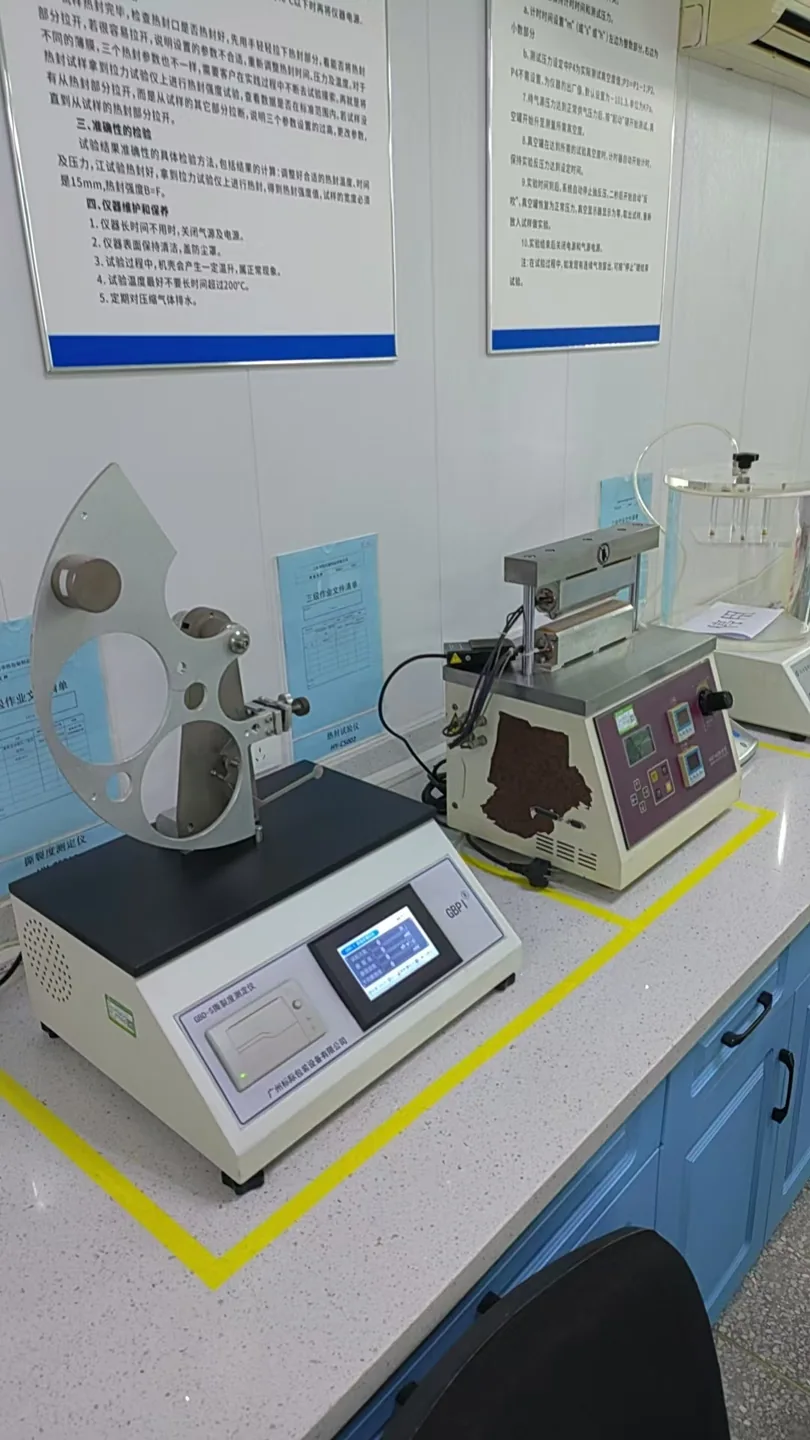
Joint Formula Design & Transparent Client Lab Reporting
Once intake benchmarking was complete, Huayue shared the full ASTM D1922 tear, ASTM D882 tensile/elongation, and ASTM D1709 dart-drop dataset directly with the client. Together, we tuned the resin-to-filler blend to lock in top-tier mechanical scores while reducing unit manufacturing cost by 8–12%.
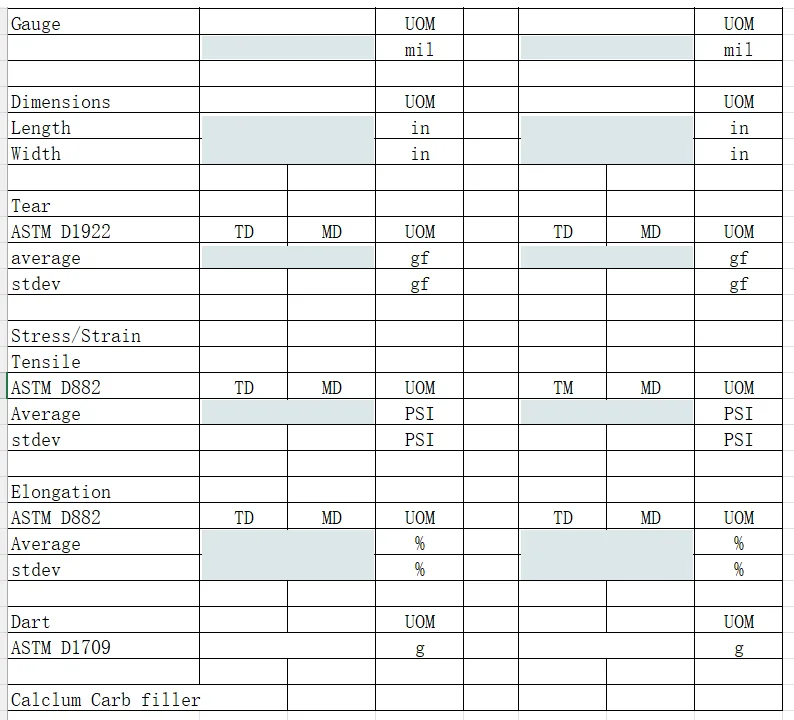
| Diagnostic Metric | Standard / Method | Market Samples Variance | Huayue Winning Formula |
|---|---|---|---|
| Film Gauge & Consistency | Digital Micrometer (mil) | Noticeable gauge drift across samples | Tight tolerance locked for uniform yield |
| Tensile & Elongation (MD/TD) | ASTM D882 (PSI / %) | Wide strength-vs-stretch trade-offs | Balanced load & high elongation limit |
| Elmendorf Tear Resistance | ASTM D1922 (gf) | Weak transverse tear on filler-heavy bags | Top-tier TD & MD tear scores |
| Falling Dart Puncture Impact | ASTM D1709 (g) | Inconsistent puncture resistance | Top-tier shock & puncture defense |
| Filler & Resin Purity | Burn Ash-Content Analysis | Over-filled or over-specified resin cost | Optimized blend: 8–12% lower unit cost |
Diagnostic & Formulation Architecture
How Huayue Translated Benchmark Samples into a Winning Commercial Formula
Commercial Scale-Up & Market Impact
Following joint sign-off on the lab-backed formulation, Huayue Group scaled the recipe into full commercial production with strict in-process gauge and mechanical checks. Equipped with a product that matched or outperformed leading retail benchmarks at an 8–12% lower unit cost, the Canadian retailer strengthened shelf competitiveness and achieved a 20%+ lift in sales volume and market share.
Send us your target market samples—our engineers and in-house ASTM lab translate subjective hand-feel into hard mechanical and resin data, co-developing cost-effective formulations that win on retail shelves.
Frequently Asked Questions
Which ASTM standards does Huayue Group test in-house for trash bags?
Our in-house laboratory runs standardized ASTM D882 (tensile strength and elongation), ASTM D1922 (Elmendorf pendulum tear resistance), ASTM D1709 (falling dart impact puncture resistance), seal-strength and hydrostatic leak checks, and burn ash-content resin purity testing.
Can we send competitor retail trash bag samples for benchmarking?
Yes. Retailers and distributors routinely send us 2 to 5 target market samples. We catalog each sample, run our 5-point tactile and ASTM lab suite, and share the complete comparison report with you before locking in a custom production formula.
How do you reduce unit cost by 8–12% without making the bag weaker?
Many off-the-shelf bags either waste money on unoptimized resin blends or over-compensate with thicker film gauges. By analyzing ash content and mechanical test curves side-by-side, we tune the polymer-to-filler ratio and extrusion profile so every gram of resin contributes directly to puncture, tear, and seam performance.
Will we receive lab test data before mass production begins?
Absolutely. Transparent client-facing ASTM lab reporting is a standard step in our R&D workflow so your quality and purchasing teams can approve verified mechanical metrics prior to commercial scale-up.