 English
 Español
The Challenge — Breaking the “2-Carton” Pallet Bottleneck
In international retail packaging supply chains, ocean freight and inland drayage often represent one of the largest controllable components of landed unit cost. When a major Canadian packaging retailer approached Huayue Group to manufacture and palletize retail color-boxed contractor bags onto a compact warehouse pallet, the project hit an immediate structural bottleneck.
Under the retailer's original packaging specification, exactly two master cartons fit side-by-side across the standard pallet width—leaving an awkward, unusable gap that was too narrow to accept a third master carton. This mismatch forced the logistics team into a costly lose-lose dilemma on every shipment:
Wasted Freight Cube (Dead Space): Leaving the gap empty created substantial dead space on every pallet tier, inflating ocean freight cost per sellable unit and reducing container cube utilization.
Transit Damage Risk (Overhang): Attempting to force a third carton onto the standard deck caused risky pallet overhang. Overhanging cartons lacked bottom-deck support, exposing lower tiers to edge crushing, load shifting, and stack instability during long-haul ocean transit and forklift handling.
Most packaging factories simply quote the exact box and carton dimensions a buyer emails over. However, shrinking only the outer master carton without touching the inner retail box or product fold would have compromised carton strength or left the retail display boxes compressed. Solving the problem required rethinking the entire packaging architecture from the inside out.

The Huayue Solution — Four-Stage Inside-Out Structural Engineering
Instead of applying a superficial band-aid to the master carton, Huayue Group's packaging engineering team audited the complete physical stack—starting with the folded plastic bag itself and working outward to the container floor. The redesign progressed through four disciplined engineering stages:
Stage 01 — Product Fold Redesign & Dimensional Audit
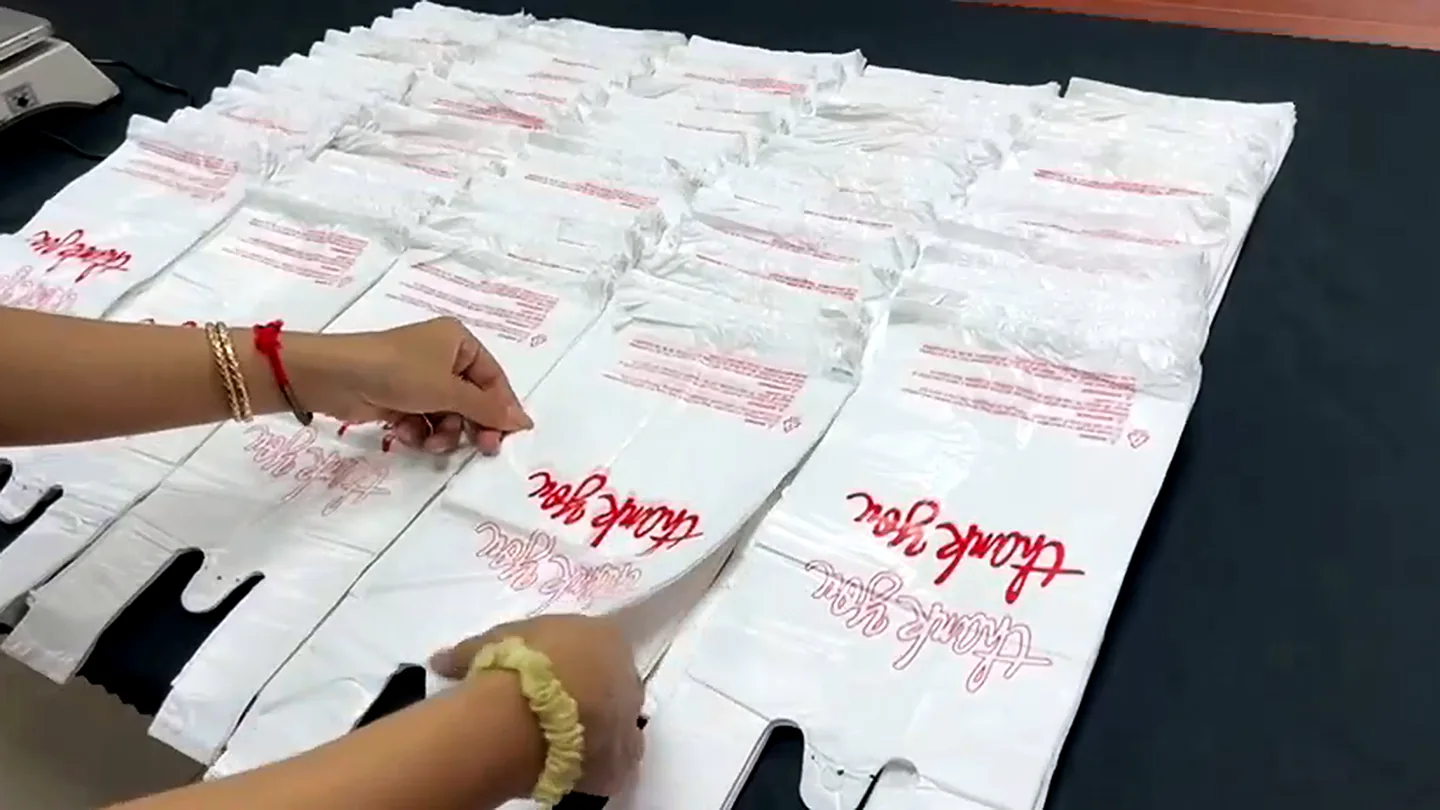
Every millimeter saved inside the retail box multiplies across hundreds of cartons per container. Our engineers began on the sample table by re-engineering how each heavy-duty bag was folded and stacked. By optimizing the fold pattern and controlling trapped air within the stack, we achieved a slimmer, tighter folded profile without creasing stress points or altering the bag's unfolded dimensions. This foundational change directly unlocked 15%+ more cargo volume per shipping container.
Watch: Inside-Out Bag Folding Redesign Demonstration
A Huayue engineer demonstrates the slimmer fold geometry used in the redesigned retail packaging.
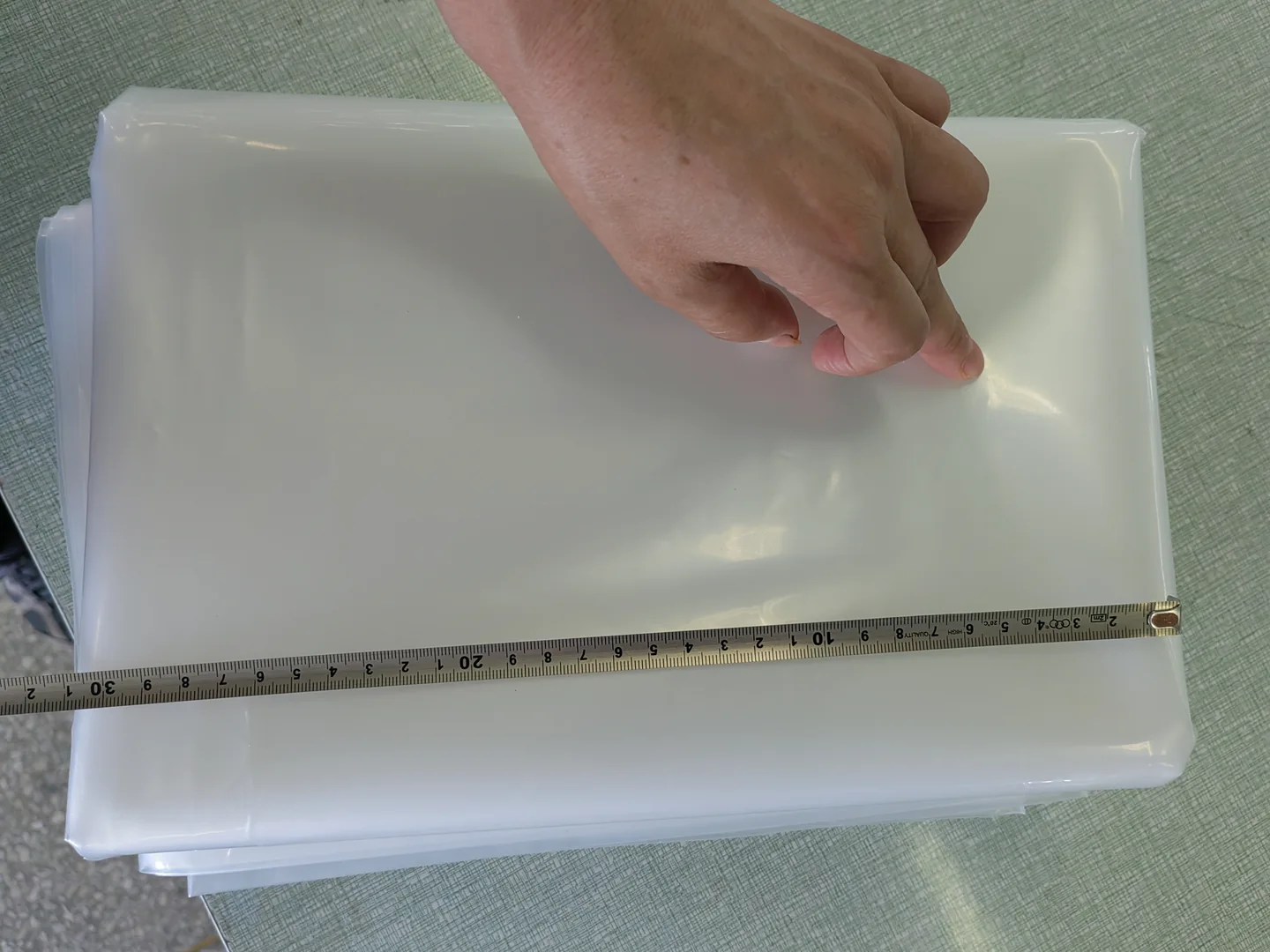
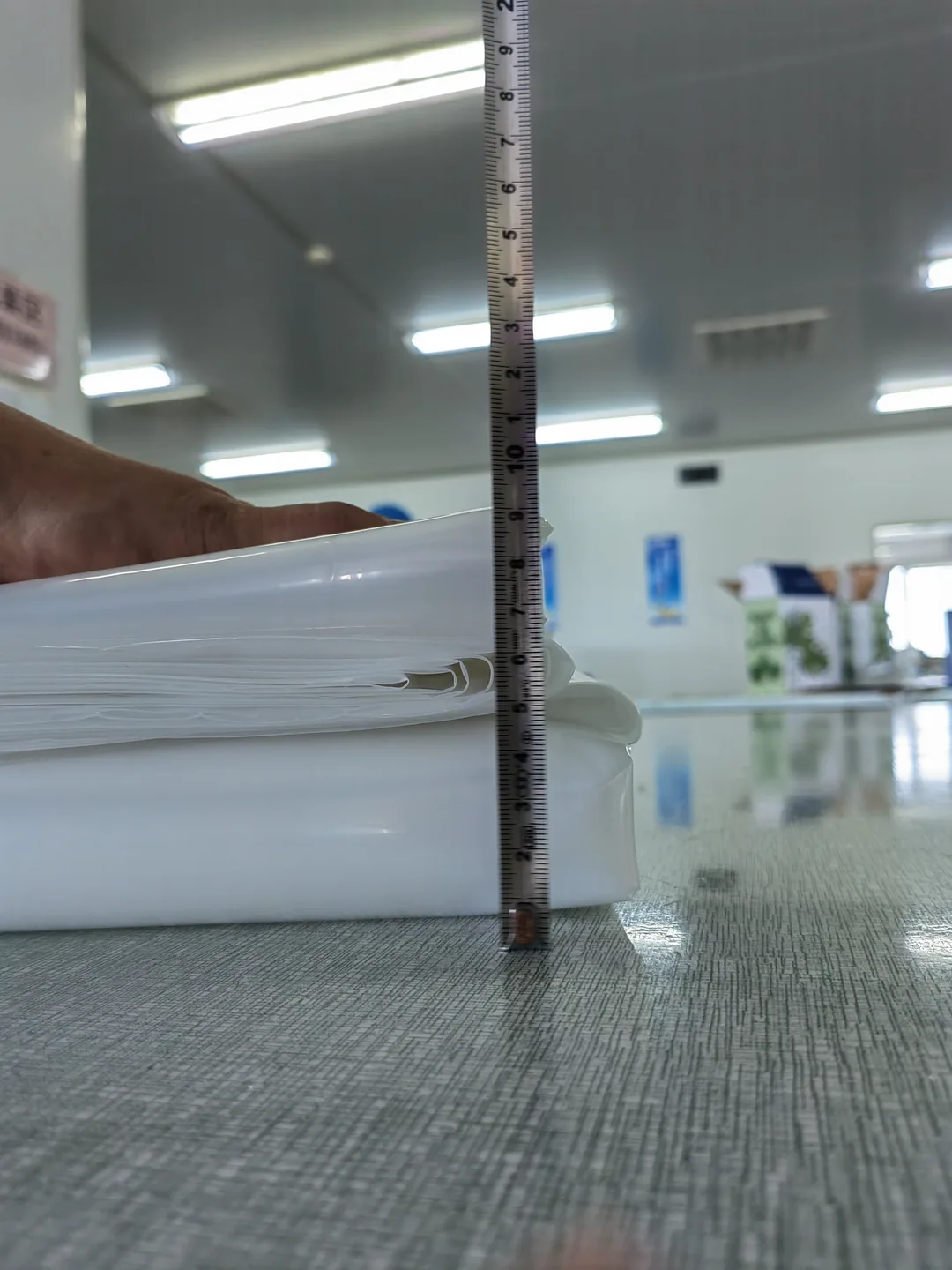
Stage 02 — Retail Color-Box Sizing & Physical Prototyping (5 Options)
With the slimmer folded stack locked in, our structural team engineered and physically sampled five distinct retail color-box configurations. Each prototype was evaluated for snug inner-pack tolerance, shelf-ready rigidity, barcode/artwork legibility, and ease of retail dispensing—eliminating empty headspace inside the retail unit before moving to outer-carton math.
Stage 03 — Master Carton Matrix Modeling (8 Configurations)
Next, we modeled eight master carton sizes across multiple inner-box stack orientations (vertical, horizontal, and interlocking patterns). Rather than guessing a single box count per carton, our team calculated exact outer-carton footprints, stacking compression loads, and weight limits to find the geometry that tiled cleanly across a full pallet tier.
Stage 04 — Custom Pallet Engineering for 100% Flush Support
Finally, we synchronized the winning master carton geometry with a custom-built pallet footprint. Every outer carton now rests 100% flush on the wooden pallet deck with zero overhang and zero dead gaps. Full-deck perimeter support distributes vertical stacking loads evenly across carton corners—the strongest structural axis of corrugated board—slashing transit crushing and edge damage by more than 20%.
Structural Comparison — Top-Down Pallet Footprint
Synchronizing Carton Geometry with a Custom Pallet Eliminated Dead Space
Before: Standard Pallet Mismatch
3rd carton cannot fit → wasted freight cube
Unbraced gap causes shifting & edge damage
New Fold + 5 Boxes
8 Cartons + Custom Pallet
After: Flush Custom Pallet Fit
Zero dead space · 15%+ higher container load
Full deck support cuts carton damage 20%+
Business Results — Why Global Retailers Partner with Huayue Group
By treating product folding, retail boxes, master cartons, and pallet geometry as one unified engineering system, the Canadian retailer realized immediate supply-chain gains on every subsequent container:
15%+ Higher Container Capacity: More sellable retail units shipped inside every ocean container, directly lowering landed freight cost per box.
20%+ Reduction in Transit Carton Damage: 100% flush carton-to-pallet deck alignment eliminated overhang crushing and load shifting during long-haul transit.
Validated Before Scale-Up: 5 retail box prototypes and 8 master carton layouts validated physically before mass production, de-risking the rollout.
Most packaging factories only quote the dimensions you send them. Established in 1998, Huayue Group engineers the full packaging stack—helping global retailers and distributors lower landed unit cost while keeping retail-ready goods intact through international transit.
Frequently Asked Questions
How does custom palletization reduce ocean freight cost per unit?
Standard pallets often leave unutilized gaps when paired with retail-sized master cartons. By optimizing product fold dimensions, retail box size, master carton layout, and pallet footprint together, Huayue eliminates dead space and increases container load capacity by 15% or more—directly spreading container freight across more sellable units.
Can Huayue Group redesign our packaging if we only have an existing retail sample?
Yes. Send us your current retail unit or target shelf dimensions. Our engineering team audits the fold pattern, models multiple color-box and master-carton configurations, and provides physical prototypes plus pallet-loading calculations before mass production.
Why does pallet overhang cause such high carton damage rates in transit?
Corrugated cartons carry most of their vertical stacking strength along their four corners and outer walls. When a carton overhangs a pallet deck even slightly, those edges lose rigid bottom support, leading to creasing, load shifting, and lower-tier collapse during ocean shipping.
Does custom pallet engineering require long lead times?
No. Because Huayue models color-box prototypes, carton matrices, and custom pallet specs in parallel during the pre-production sampling stage, structural validation is completed upfront without delaying commercial container schedules.