
 English
 Español
The Ultimate Guide to Plastic Bread Bags - Types, Materials, Custom Options & Supplier Selection
Bakeries, food manufacturers, private-label brands, and distributors all face the same packaging challenge - choosing plastic bread bags that protect freshness, keep packing lines running efficiently, present products attractively on shelf, meet food safety compliance, and stay consistent order after order. Getting any one of these wrong can mean product loss, customer complaints, or costly line stoppages. This guide breaks down what plastic bread bags are, the main types and materials available, how to evaluate them against real sourcing criteria, and how to find a plastic bread bags supplier that can support both standard and custom plastic bread storage bags at scale.
What Are Plastic Bread Bags?
Plastic bread bags are flexible, food-grade plastic bread bags designed to hold and protect bread and other baked goods. They are lightweight, moisture-resistant, and available in various sizes, thicknesses, and finishes to match different product specifications. Unlike paper packaging, plastic bread bags help control moisture loss and protect products during handling, but the right material, thickness, closure and perforation depend on bread type and shelf-life target.
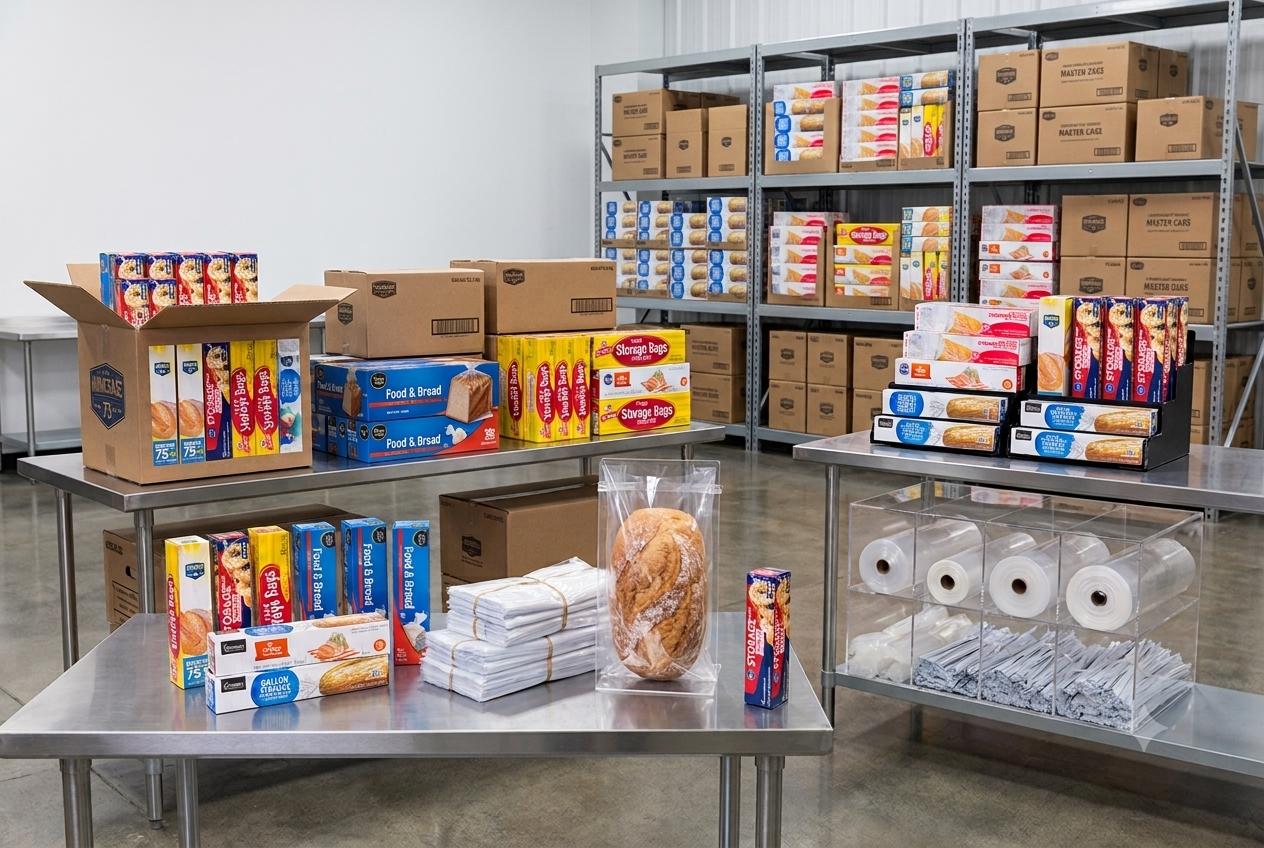
Why Bakeries and Manufacturers Choose Plastic Bread Bags
- Freshness Protection Moisture management is the core function of any bread bag, but the right approach depends on the product. Fresh sandwich loaves generally need higher moisture retention to stay soft, while artisan or crusty bread often needs perforation or added breathability to avoid trapping excess condensation. Choosing the wrong structure can lead to stale bread, softened crusts, mold-related complaints, product returns, or added pressure on stock rotation — all of which affect margins as much as the upfront cost of the bag.
- Cost-Effective Packaging Plastic bags are inexpensive to produce in bulk compared to rigid packaging or specialty paper, which matters for bakeries, supermarkets, and food manufacturers packaging large volumes daily. That said, a lower unit packaging cost only pays off if seal strength and bag consistency also hold up during distribution — otherwise, savings on the bag are offset by product loss and rework further down the line.
- Branding Opportunities Bags can be printed with logos, nutritional information, and branding colors. This turns simple packaging into a marketing tool, helping your products build clear brand recognition and enhance shelf appeal in a competitive retail environment.
- Enhancing End-User Experience Features like resealable zippers, twist ties, or perforated tear points help reduce in-store product damage and improve brand satisfaction, which in turn drives repeat purchases.
Common Types of Plastic Bread Bags
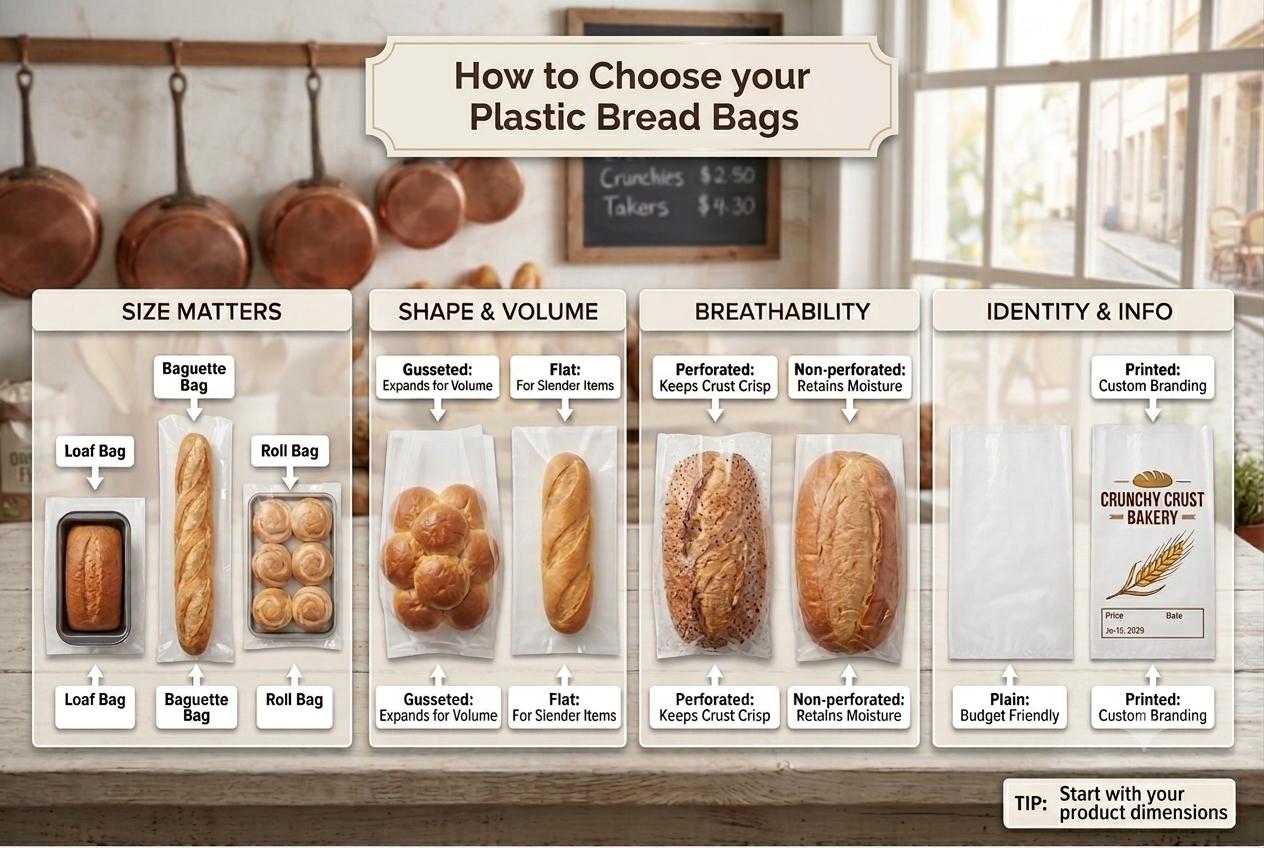
- Standard poly bags – basic, economical, flat poly bags widely used for daily bread packaging
- Gusseted bags – designed with side or bottom gussets to expand for larger loaves, baguettes, or higher-volume bread formats, helping the bag fit the product shape without excessive empty space
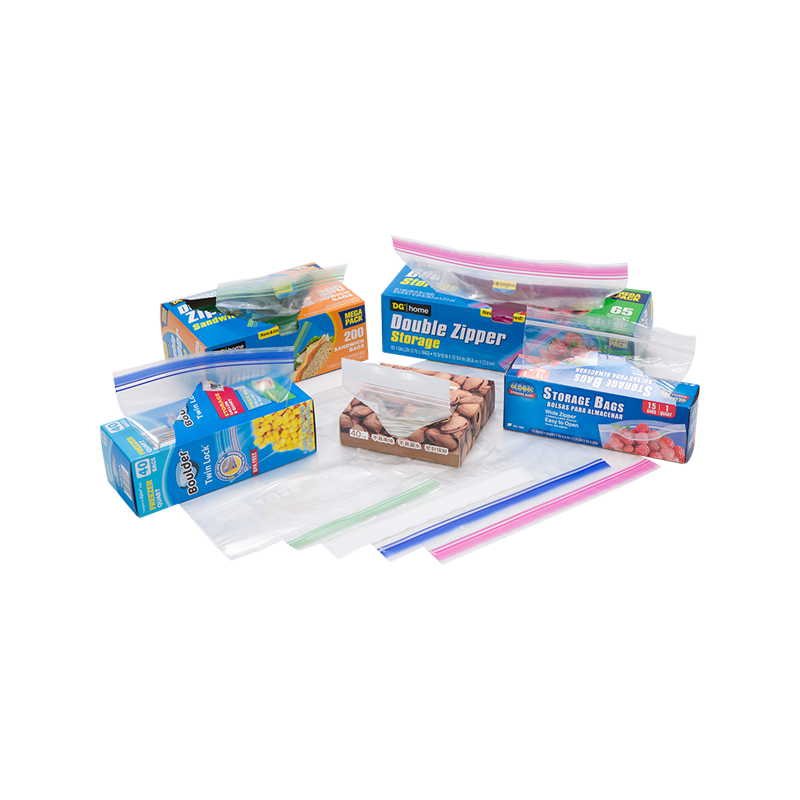
- Resealable bags – with zip-lock, press-to-close, or slider-style closures for repeated opening and reclosing, similar to resealable plastic bags, zip seal bags, and slider bags used across other food categories
- Perforated bags – allow slight airflow, useful for artisan or crusty bread
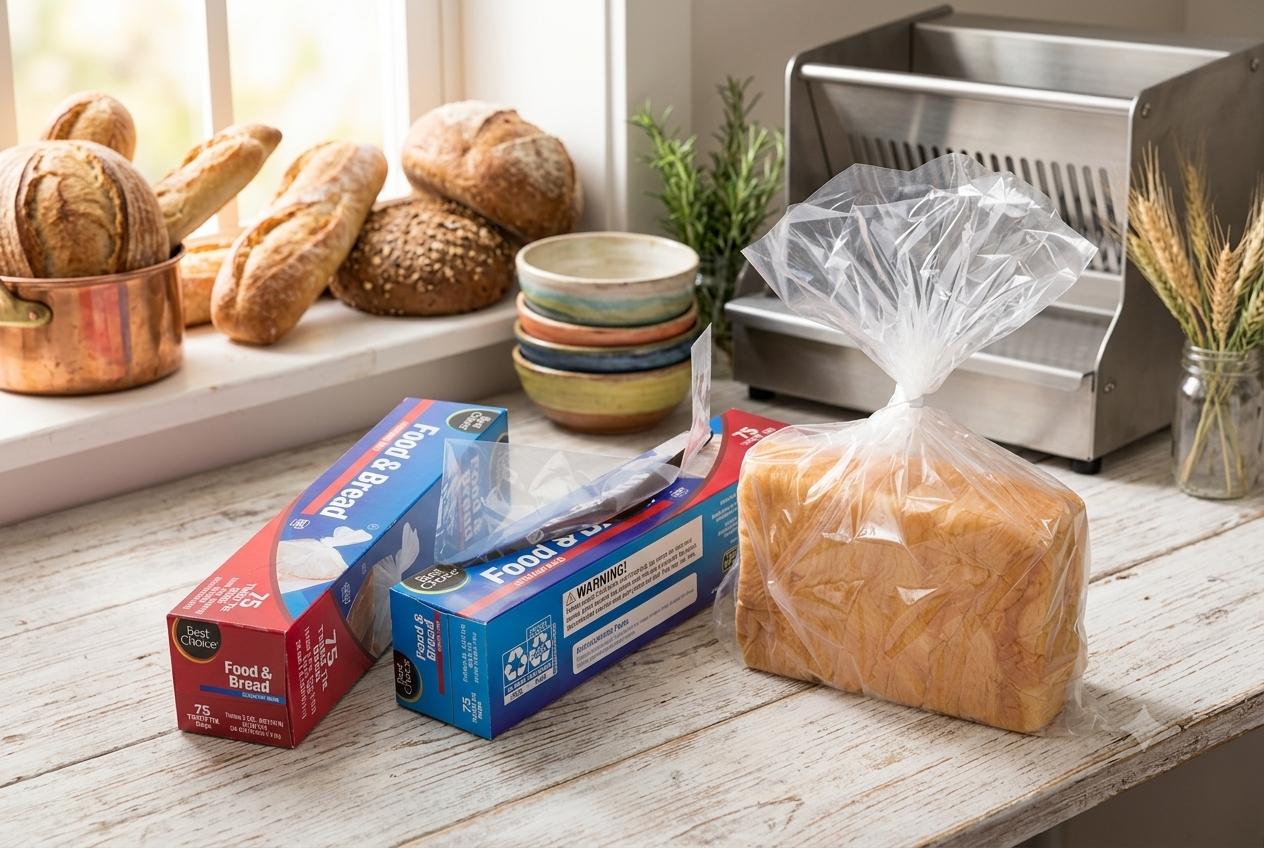
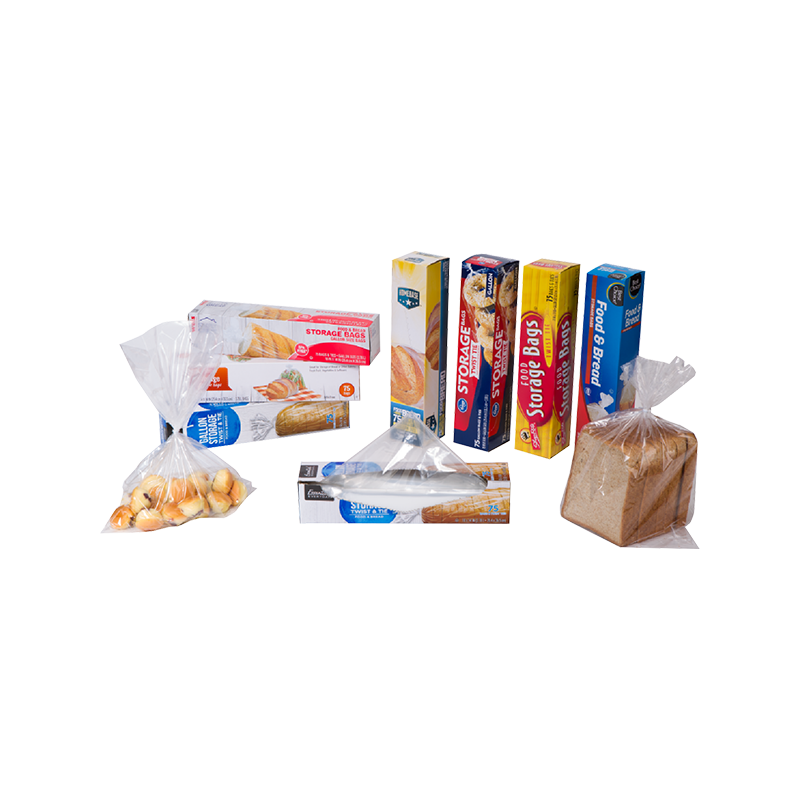
- Twist tie bags — one of the most widely used closures, fast to apply on packing lines and simple for consumers to reopen and reclose
Choosing the Right Material for Plastic Bread Bags
- LDPE (Low-Density Polyethylene) — flexible with a reliable moisture barrier and strong seal quality; the most common material for everyday bread bags
- HDPE (High-Density Polyethylene) — stiffer and more puncture-resistant, often used where added durability during transport is required
- BOPP (Biaxially Oriented Polypropylene) — higher clarity and gloss, often chosen for premium or heavily branded packaging where shelf presentation is a priority
How to Choose the Right Plastic Bread Bags
When selecting plastic bags for bread packaging, consider the following -
- Thickness tolerance — Consistent thickness from batch to batch is what keeps your packing line running at a stable speed; wide tolerance swings cause misfeeds and slow down packing throughput even if the average thickness looks fine on paper.
- Tear and puncture resistance — This determines how well bags hold up during loading, stacking, and transport. Weak puncture resistance shows up as torn bags and damaged product claims once shipments reach the retailer or distributor, not on the factory floor.
- Seal strength — Inconsistent sealing is one of the most common root causes of in-transit leakage and staleness complaints. Reliable seal strength is what actually protects your product-loss numbers during distribution, more than the bag's raw thickness does.
- Clarity/haze — Directly affects how the product looks on shelf. Low clarity or excessive haze undercuts shelf appeal and brand presentation, particularly for private-label or premium lines sold in clear packaging.
- Packing-machine compatibility — Bag dimensions, gusset fold, and material stiffness must match your existing packing equipment's specs. A mismatch here causes line stoppages and inconsistent closures — the kind of issue that surfaces as reorder problems rather than an obvious defect in the bag itself.
- Size and shape — Match bag dimensions to your bread format — standard poly or gusseted bags typically suit sliced loaves, long-format gusseted or perforated bags work well for baguettes, and smaller resealable or twist-tie bags suit rolls and portioned bread.
- Compliance — Ensure the bags meet food safety standards relevant to your market (such as FDA or EU food contact regulations).
Finding Reliable Plastic Bread Bags Manufacturers
As an experienced OEM manufacturer and plastic bread bags supplier in the plastic packaging industry, Huayue Group produces high-quality, food-safe plastic bread bags across the full range of formats covered in this guide — from standard poly and gusseted bags to resealable, perforated, and twist-tie closures — in LDPE, HDPE, or BOPP material depending on your product and shelf-life requirements. The company combines advanced production equipment with strict quality management to ensure every batch meets consistent standards for strength, clarity, and food safety, and supports both standard product lines and fully custom plastic bread storage bags — as well as a broader range of plastic food packaging bags — for bakeries, private-label brands, and large-scale food manufacturers alike.
Why Choose Custom Plastic Bread Storage Bags
Many bakeries and food brands are moving toward custom plastic bread storage bags to strengthen their brand identity and meet specific packaging requirements. Custom printing helps maintain brand consistency across retail shelves, delivery packs and private-label programs; custom size/thickness reduces over-packaging and improves packing efficiency. Customization can include -
- Bag size and thickness tailored to product type
- Branded printing with logos, colors, and product information
- Special features like resealable strips, handles, or perforation
Huayue Group supports full customization services, helping clients — from small bakeries to large-scale food manufacturers — design bags that match their branding and functional needs, without compromising on cost efficiency or production speed.
Final Takeaway
Plastic bread bags may seem like a small detail in the food supply chain, but they directly impact product freshness, brand image, and customer satisfaction. Send your bread packaging specifications and expected order volume to Huayue Group for sample discussion and a custom quotation.
Packing Solutions
Related Products

Tel: +86 18019228135
E-mail: alfredren@huayuepack.com
Address: No.228 ZhaiXing Rd, XinSheng Industrial zone, ZheLin Town, FengXian District, ShangHai, China.

Copyright © 2026 Huayue Group Plastic Packaging Manufacturers
