
 English
 Español
The Ultimate Guide to Biodegradable Plastic Bags - Materials, Types, and Choosing a Manufacturer
As plastic pollution drives businesses and consumers toward greener alternatives, biodegradable plastic bags have emerged as one of the most practical solutions. They offer the same tough, load-bearing performance as regular plastics, but with a crucial difference - they are designed to decompose naturally within 6 to 12 months in appropriate conditions, such as moist soil. This guide covers the innovative materials behind these bags, their retail applications, and how to choose the right biodegradable plastic bags manufacturers to elevate your brand's sustainable footprint.
What Are Biodegradable Plastic Bags?
What makes these bags a superior choice? It comes down to the science of the materials. Unlike traditional polyethylene that lingers for centuries, high-quality biodegradable bags are engineered to break down responsibly under the right environmental conditions. As a professional biodegradable plastic carrier bags factory, we utilize a specialized blend of PLA, PBAT, and corn starch. This specific formulation ensures that the bags decompose naturally within 6 to 12 months in environments like moist soil. More importantly for your business, environmental responsibility doesn't mean sacrificing performance. These bags maintain exceptional tensile strength and load-bearing capacity, handling heavy retail goods without tearing.
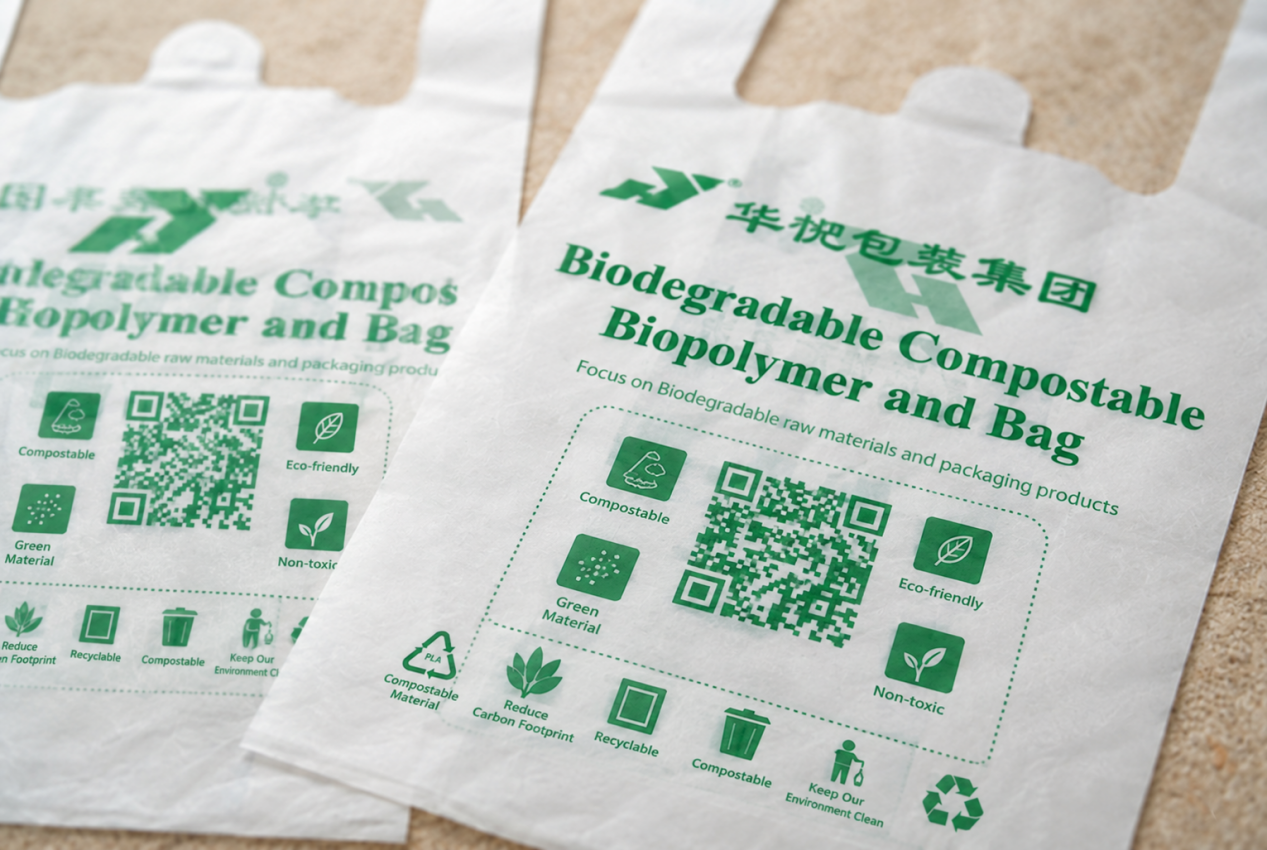
Common Types of Biodegradable Plastic Bags
"Carrier bag" is the umbrella term for any bag designed to be hand-carried; what actually separates one type from another is how the handle is formed. That single structural difference determines how much weight a bag can take, how it prints, and what it costs per unit. Four forms cover almost all retail use -
T-shirt (vest) bags. The handles are die-cut directly out of the bag body, leaving the vest silhouette the name comes from. Nothing is added or welded on, so these are the fastest and cheapest form to produce, which is why biodegradable plastic T-shirt bags dominate grocery checkout, convenience stores, and takeaway. Load capacity comes from gusset depth and film thickness rather than from any added handle part.
Patch-handle carrier bags. A separate patch of film is heat-sealed across the top of the bag and the handle is cut through both layers. The reinforced top edge spreads load over a wider area, so these take heavier and sharper-cornered goods than a vest bag of the same thickness. Standard for fashion, homeware, and gift retail.
Die-cut (punch-handle) bags. The handle hole is punched straight through a thicker, flat top panel with no gusset at the handle. It gives a clean, rigid rectangular face — the most print-friendly of the four — but the load path is concentrated at the punch, so it suits lighter boutique goods rather than bulk.
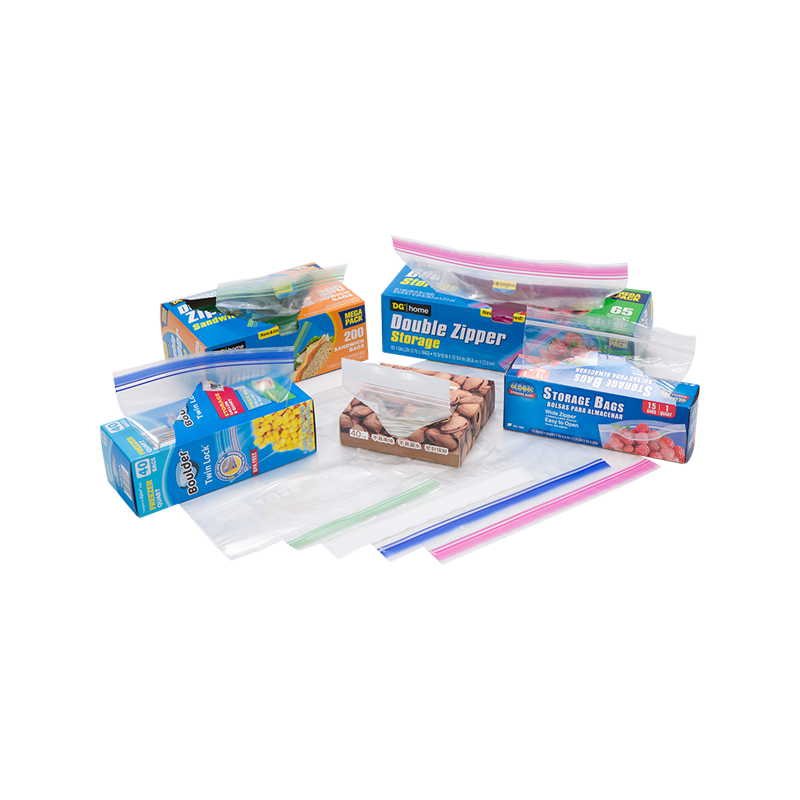
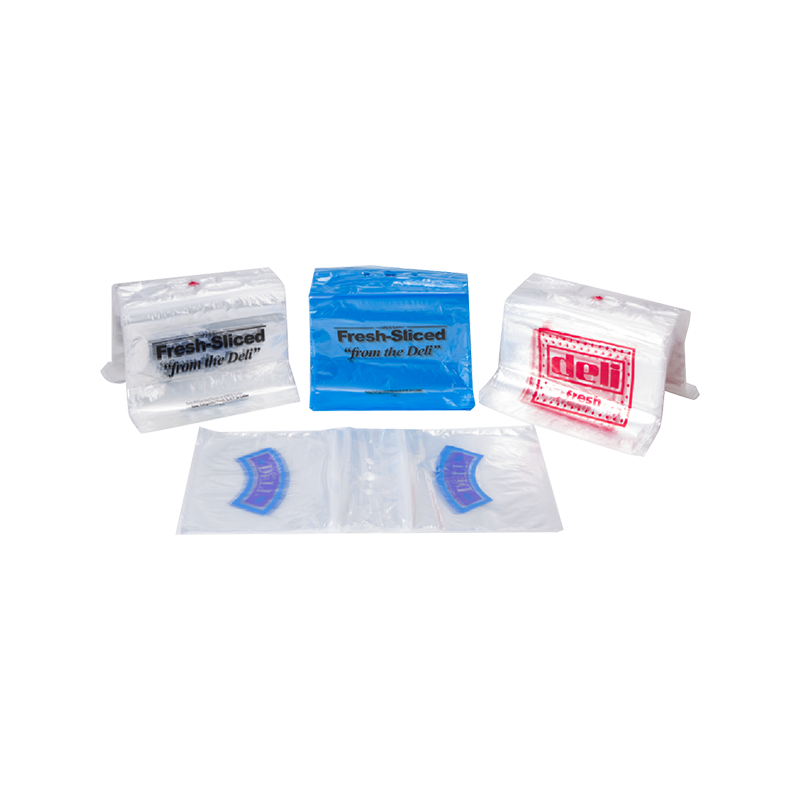
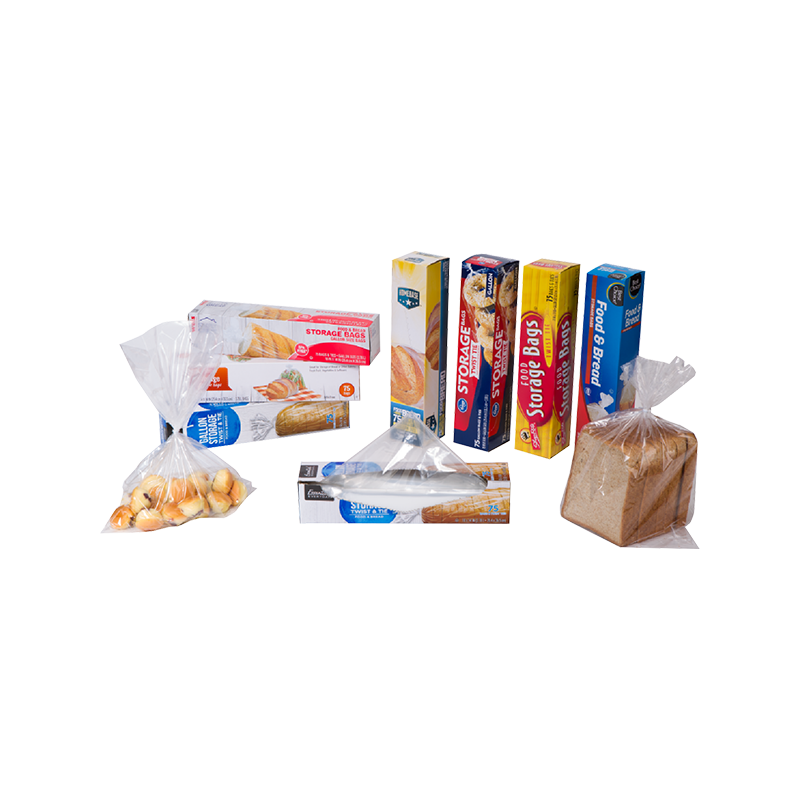
Flat and handleless bags. No handle at all - open-top produce bags, bread bags, and bin liners. These are secondary packaging rather than carriers, sized by roll count and film thickness instead of load rating.
Choosing between them is mostly a load-and-handle question - vest for volume and speed, patch-handle for weight, die-cut for presentation, flat for containment. Any of the four can be produced to custom dimensions, colors, and print — customization is a specification layer applied on top of these forms, not a separate type.
Why Businesses Are Switching
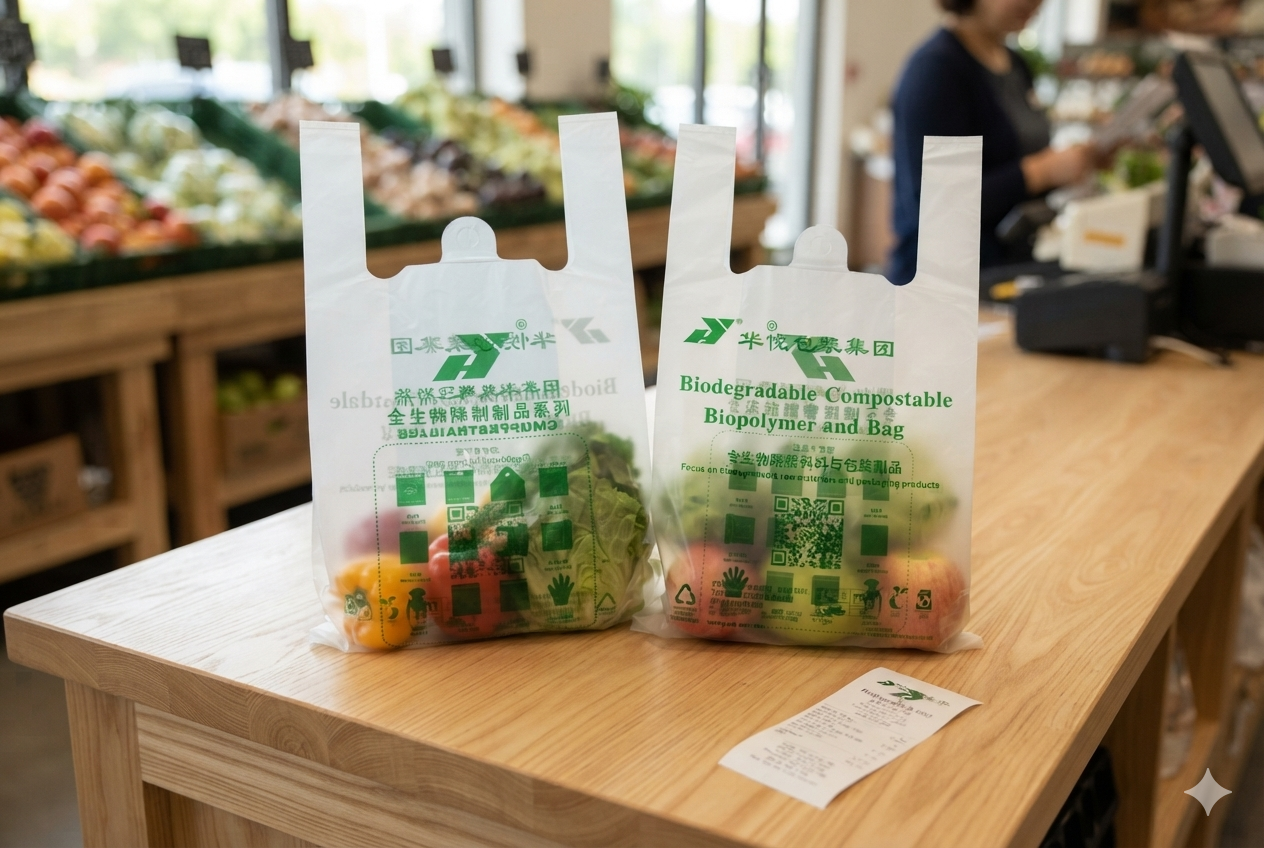
The shift toward sustainable packaging is driven by concrete business realities. With stricter plastic bag bans and taxes rolling out across global markets, retailers are actively seeking compliant, eco-friendly alternatives. For grocery stores, boutiques, and convenience shops, biodegradable plastic T-shirt bags have become the go-to solution. Their versatile vest-style design ensures a wide range of retail goods—from groceries to clothing—are carried securely and safely, proving that switching to green alternatives doesn't mean sacrificing load-bearing performance.
Beyond compliance, this transition is a powerful tool for brand differentiation. By sourcing custom biodegradable plastic T-shirt bags, you can tailor the packaging to your exact needs—adding your brand logo, selecting unique colors, or specifying sizes. This personalization not only minimizes your environmental footprint but gives your brand a premium, eco-conscious touch that strongly resonates with today's environmentally aware consumers.
How to Evaluate Biodegradable Plastic Bags Manufacturers
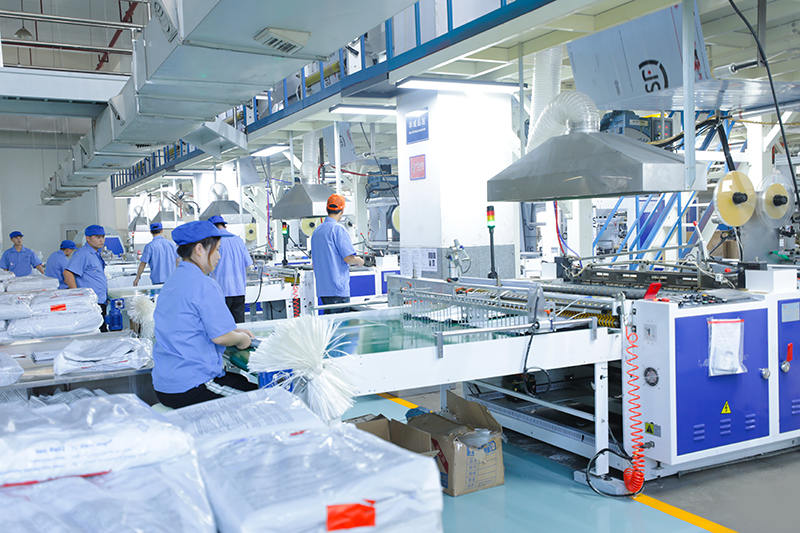
Sourcing from a reliable supplier is where the most critical decision-making happens. Instead of relying solely on generic marketing claims, businesses should evaluate a Biodegradable Plastic Carrier Bags Factory based on verifiable metrics. Here are the key factors to check -
- Material Formulas & Certifications - Check for recognized compostability standards (like EN13432 or ASTM D6400). More importantly, verify that the certificate matches the exact material blend, thickness, and specifications you are ordering.
- Performance & Load Testing - Request samples to test seal strength and load-bearing capacity. Eco-friendly materials must still perform reliably under real-world retail conditions without tearing.
- Customization Flexibility - Ensure the factory goes beyond stock designs and can strictly control sizing tolerances, material thickness, and brand printing requirements.
- Transparency & Timelines - A trustworthy partner will be upfront about their raw material sources (such as PLA and PBAT) and provide clear production timelines and shipping options before you place an order.
Why Partner with Huayue Group?
For businesses seeking dependable packaging solutions, Huayue Group delivers exactly what modern retailers need. We base our production on scientifically backed materials and uncompromising performance.
Our products are expertly crafted from a specialized blend of PLA, PBAT, and corn starch. By utilizing these materials, our bags decompose naturally within 6 to 12 months when disposed of in moist soil. Most importantly, this environmental benefit does not compromise on load-bearing capabilities. Whether you are packaging groceries or boutique clothing, our versatile vest-style biodegradable plastic T-shirt bags ensure your goods are carried securely and safely.
Beyond standard applications, Huayue Group adds value to your business by offering custom biodegradable plastic T-shirt bags. We make it easy for grocery stores, boutiques, and convenience shops to tailor their packaging with specific sizes, unique colors, and brand logos. Partner with us to secure an eco-friendly, reliable carrying solution that minimizes your environmental footprint while giving your brand a personalized touch that resonates with environmentally conscious consumers.
Final Takeaway
Switching to sustainable packaging doesn't have to be complicated. With a reliable partner like Huayue Group, you can confidently transition to eco-friendly solutions without sacrificing retail performance. Whether you need durable biodegradable plastic T-shirt bags for daily checkout or fully customized designs to elevate your brand, our proven PLA, PBAT, and corn starch formulations are built to deliver.
Ready to get started? Contact us today with your basic requirements—such as target dimensions, load capacity, and customization needs—and our team will provide a tailored quote, verifiable samples, and expert guidance to ensure your packaging meets your market's exact standards.
Packing Solutions
Related Products

Tel: +86 18019228135
E-mail: alfredren@huayuepack.com
Address: No.228 ZhaiXing Rd, XinSheng Industrial zone, ZheLin Town, FengXian District, ShangHai, China.

Copyright © 2026 Huayue Group Plastic Packaging Manufacturers
