
 English
 Español
The Ultimate Guide to Biodegradable Garbage Bags - Materials, Durability, and Sourcing
For today's distributors, private-label buyers, and retailers, sourcing the right garbage bags is no longer just about cost—it’s about balancing verifiable environmental claims with uncompromised load performance.
Instead of making vague "green" promises, our biodegradable garbage bags are engineered for real-world sustainability and commercial reliability. Made from a blend of PLA, PBAT, and corn starch, they are tested to provide exceptional toughness while being capable of naturally breaking down in wet soil within 6 to 12 months. Fully customizable in size, color, and branding, they offer commercial users a practical, high-performance alternative to traditional plastics.
What Are They Made Of?
Achieving the perfect balance between biodegradability and commercial-grade strength requires a scientifically formulated blend. Our garbage bags utilize a proprietary mix of bio-based materials (like PLA and corn starch) combined with biodegradable polymers (such as PBAT).
This specific formulation is critical - the corn starch and PLA ensure a rapid breakdown into biomass, water, and CO2 under specified soil conditions, while the PBAT provides the essential elasticity and tear resistance that traditional bio-plastics often lack. Manufactured with precise thickness tolerances and reinforced sealing techniques (e.g., star-sealed bottoms), these bags are engineered to handle heavy, wet waste securely, ensuring reliable load-bearing performance throughout their functional lifespan.
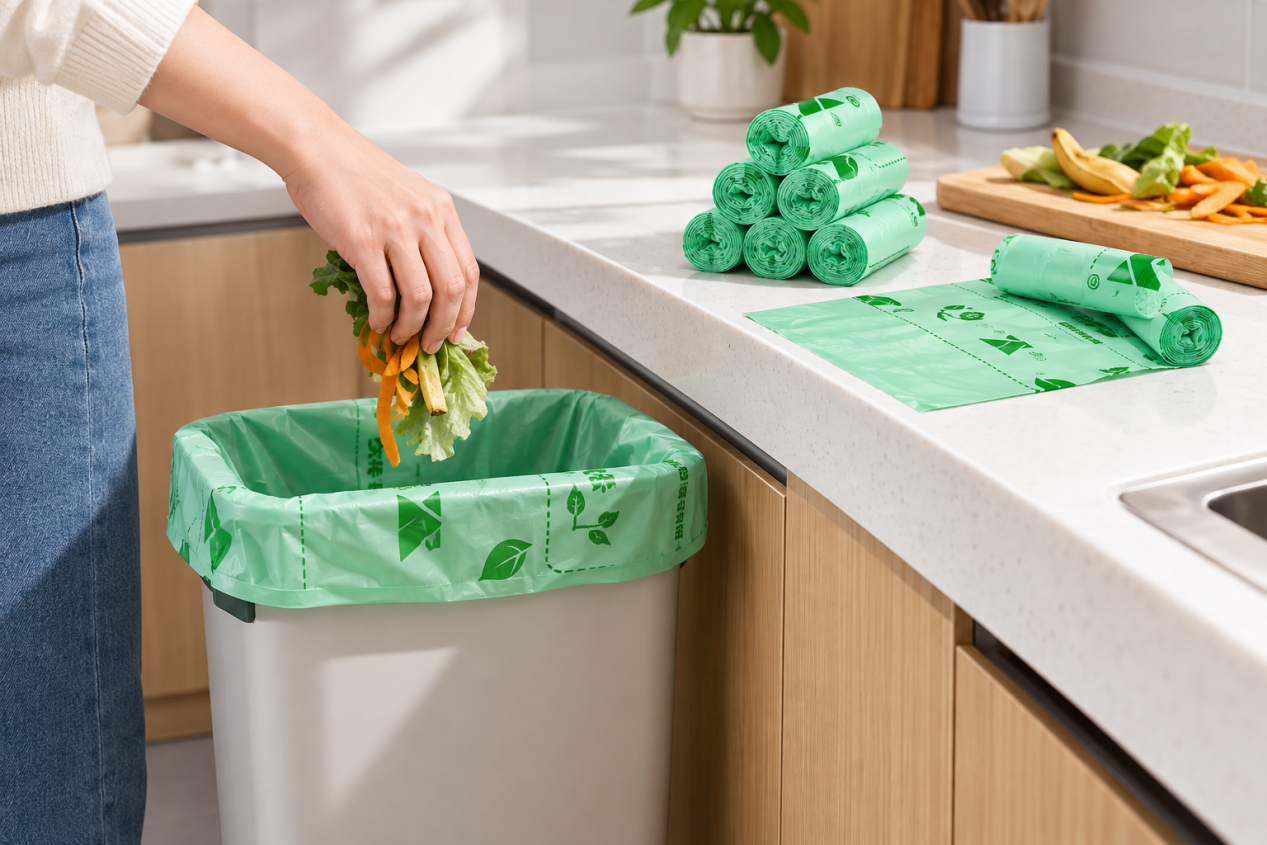
The Durability Factor - Balancing Performance and Compliance
A common misconception about biodegradable garbage bags is that eco-friendliness comes at the expense of strength. For commercial users—such as restaurants, hotels, and municipal facilities—a bag that tears under the weight of wet waste or leaks during transport is a massive operational liability, potentially leading to customer complaints and high return rates.
This is where true durability matters. Premium biodegradable bags are now engineered with advanced puncture resistance and reinforced sealing to handle mixed and wet waste just as effectively as conventional plastics. Moreover, the hidden challenge for distributors is shelf life and storage stability. Sourcing from a manufacturer with strict quality control ensures that the bags maintain their structural integrity during transit and storage, rather than degrading prematurely in the warehouse. Choosing a well-tested, high-performance product protects your brand's reputation while meeting the market's strict environmental compliance requirements.
Choosing the Right Type of Bag
1. Material Claim - Confirm whether the bag is biodegradable, compostable, or conventional HDPE/LDPE — these terms are not interchangeable. Clear heavy-duty bags are typically a conventional HDPE/LDPE family built for visibility and puncture resistance on job sites; don't assume biodegradable unless the specific SKU is certified as such.
2.Structural Performance - Specify gauge tolerance, bag dimensions, resin ratio, and seal construction (star-sealed vs. roll-packed). Request drop and leak test data under your actual fill weight and waste composition — a reliable clear heavy-duty garbage bags factory should provide this as standard documentation rather than vague durability claims, and the same rigor should carry over when the SKU in question is our core biodegradable garbage bags line.
3.Pack-Out Customization - Define printing method, branding, and bin-fit requirements separately with OEM/ODM-capable suppliers, independent of material and performance specs above. Buyers needing brand-specific colors or dimensions should confirm whether custom biodegradable garbage bagsare offered as a distinct SKU with their own certification, rather than a relabeled version of the standard biodegradable line.
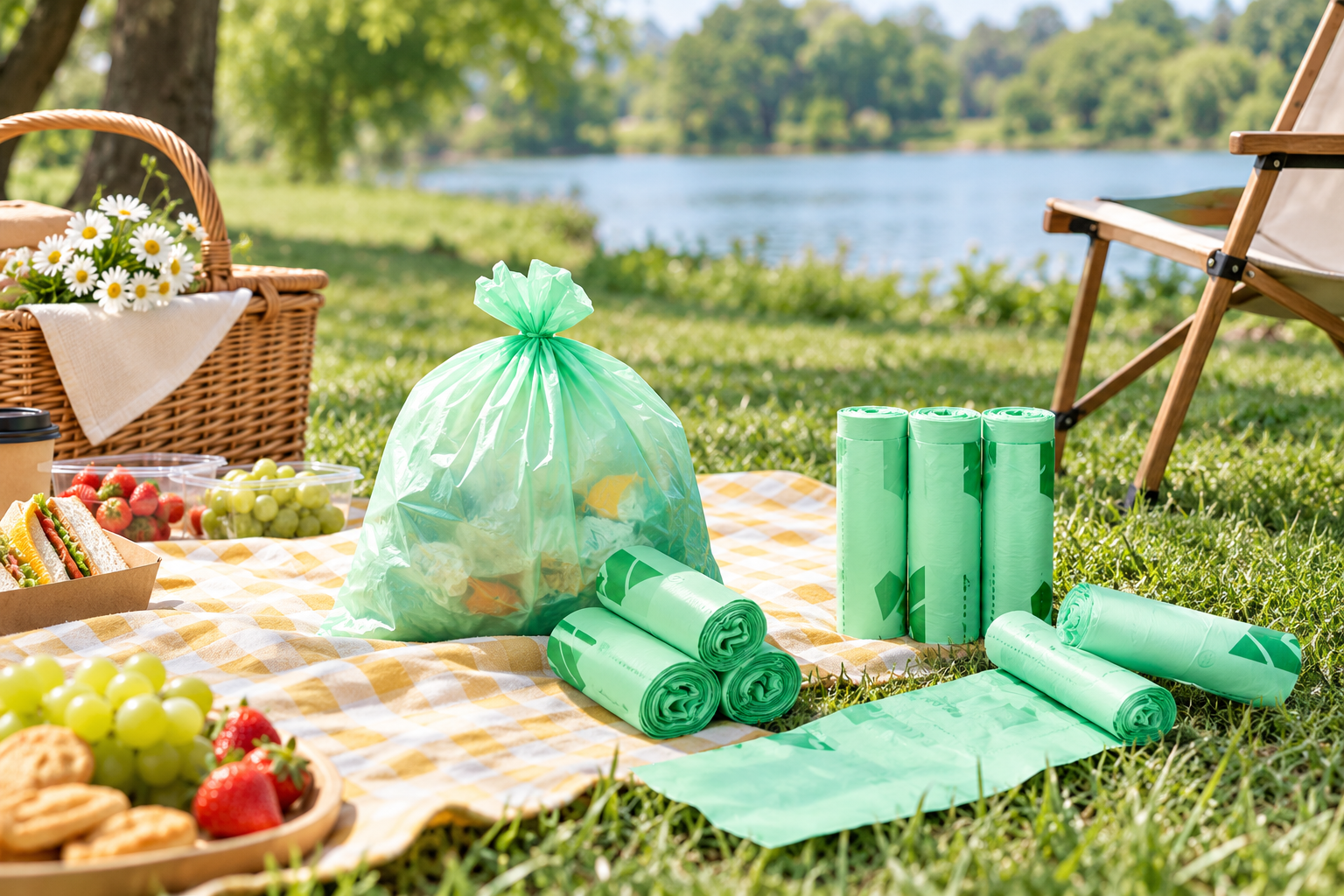
How to Choose a Reliable Supplier
Ask manufacturers for the exact standard name and version, testing body, certificate validity period, and test conditions/results — plus confirmation it's recognized in your target market. Request performance samples documenting gauge tolerance, seal strength, roll/perforation tear behavior, and load/leak results under your actual waste conditions. Production consistency across large runs matters most when sourcing wholesale heavy-duty garbage bags for ongoing needs — a standard that applies equally, if not more so, to wholesale biodegradable garbage bags given their added certification requirements.
Why Huayue Group Stands Out
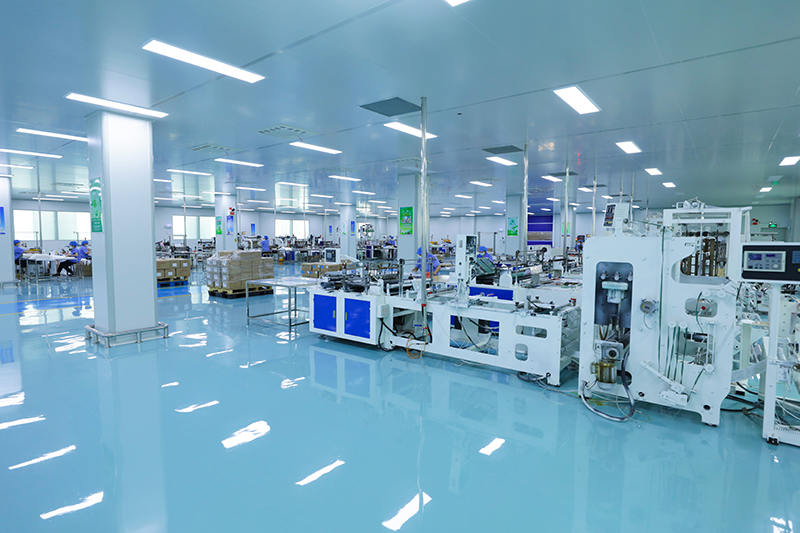
Founded in 1998 and headquartered in Shanghai, Huayue Group operates five production bases across Shanghai, Zhejiang, Henan, Guangzhou, and Sihanouk, Cambodia, with marketing centers in New York and Hong Kong. The group employs nearly 800 people, generates close to RMB 1 billion in annual production value, and serves clients in over 50 countries — among biodegradable garbage bags manufacturers, this scale supports both large runs and SKU-specific documentation.
Its biodegradable line uses a PLA, PBAT, and corn-starch blend, with disintegration in wet soil documented at 6–12 months for this SKU. Gauge, dimensions, and seal-strength tolerances are available on request, with star-sealed bottoms for load-bearing use, plus production-run QC data on seal strength and load/leak performance — documentation buyers should expect from biodegradable trash bags suppliers before ordering.
Biodegradable and conventional clear heavy-duty bags are separate product families with different material claims. Buyers should request the standard, certificate, and test data specific to the SKU purchased, and confirm regional compliance against the destination market — for example, EN 13432 with a TÜV or DIN CERTCO certificate for the EU, ASTM D6400 with a BPI certification for the US, or AS 4736 for Australia — along with the corresponding test report, certificate of conformity, and (where applicable) compostability/biodegradability logo usage authorization.
Tips for Making the Switch
Before committing to a large wholesale purchase, place a trial order and test it against your own operating conditions rather than the supplier's marketing claims. Confirm in writing whether the product is biodegradable, compostable, or both, since the terms carry different certification requirements and are not interchangeable. Match bag gauge and dimensions to your actual waste stream — not a general "thickness vs. volume" comparison, but a test run using your typical fill weight, proportion of sharp-edged or wet items, and handling conditions (drop height, transport time, storage temperature) — and record failure points such as seal splitting or bottom tearing.
If your business needs specific branding, colors, or sizing, confirm the supplier offers OEM/ODM services with documented minimum order quantities, per-unit pricing at your target volume, and lead times for both first-run and repeat orders. Request sample approval and a written production timeline before the first bulk run, and confirm what recourse exists — replacement, credit, or refund — if a shipment fails to meet the agreed specs or test results from your trial order.
Final Takeaway
In the biodegradable market, vague promises aren't enough—you need verifiable performance and consistent quality. Finding the right balance between strict environmental compliance and everyday durability requires an experienced manufacturing partner.
At Huayue Group, we engineer custom and wholesale biodegradable garbage bags tailored to your specific commercial realities. Stop guessing on material quality. Contact us with your destination market regulations, target dimensions, and load requirements. We will provide a transparent quotation, full certification details, and customized solutions to make your transition seamless and cost-effective.
Packing Solutions
Related Products

Tel: +86 18019228135
E-mail: alfredren@huayuepack.com
Address: No.228 ZhaiXing Rd, XinSheng Industrial zone, ZheLin Town, FengXian District, ShangHai, China.

Copyright © 2026 Huayue Group Plastic Packaging Manufacturers
